Northern worlds: Salaga
Salaga was a living commercial town whose connections made it important—and also enabled a major trade in enslaved people.
Chapter 05 · 1700s–1892
Salaga was a living commercial town whose connections made it important—and also enabled a major trade in enslaved people.
Explore this chapter on the interactive map →
The chapter story
01 · Listen first
Before we call it a slave market, hear a town.
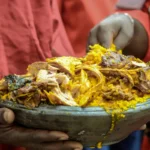
Merchants, residents and travellers met here. Kola, salt, cloth, livestock and other goods moved through conversations in several languages. Salaga mattered because it connected northern, forest and Volta worlds.
02 · Community
Markets are made by people, not commodities.
People lived, worshipped, worked, negotiated and raised families in Salaga. Muslim trading communities and local political authorities shaped its public life. Beginning here prevents one terrible part of the town’s history from erasing everything else.
03 · The human trade
The same connections carried captive people.
By the eighteenth and nineteenth centuries, Salaga became a major market in enslaved people. Captives arrived from different directions and could be sold onward toward Asante, the Volta corridor or other destinations. There was never one route or one fate.
04 · What survives
The wells remember—but memory also needs evidence.
Today, wells, market memory and commemorative journeys connect Salaga to Ghana’s public history of slavery. Some details are documented; others come through local tradition and later memorial practice. Both matter, but they must be labelled honestly. Next: how did Asante power shape these roads?
What to remember
Salaga was a living commercial town whose connections made it important—and also enabled a major trade in enslaved people.
The market is introduced through community life and regional commerce before slavery; later memorial claims are identified separately.
Sources and further reading
- Journal of African History — The Salaga Papers — Salaga’s commerce and historical record
- Ghana Tourism Authority — Northern pilgrimage — Contemporary commemoration and route memory
Continue with VibesGhana
This is a living historical record. If you identify an error or important omission, please contact VibesGhana with the chapter, place and source where possible.