Ghanaians will forgive a visitor almost anything — except bad manners they could easily have avoided. The good news is that Ghanaian etiquette is warm and forgiving, built on a few clear principles: greet people, respect elders, and use your right hand. Get those right and doors open everywhere; ignore them and you’ll cause quiet offence without ever knowing why. This is the traveller’s guide to the customs that actually matter — the dos and don’ts, the greetings, the dress codes and the small courtesies that turn you from a tourist into a welcome guest.
The golden rule: greet first, always
If you remember one thing, make it this: greetings are sacred in Ghana. You’re expected to acknowledge people when you enter a room, a shop or an office — launching straight into a request without a “good morning” reads as rude. In a group, it’s traditional to shake hands from right to left. Take the few seconds to greet, ask “how are you?”, and only then get to business. It’s the single most important social lubricant in the country, and it costs nothing.
The right hand rule
This one trips up many visitors. In Ghana the left hand is considered unclean, so you should eat, give, receive, wave and point with your right hand. Handing money to a trader, accepting change, passing food, waving hello — right hand. If your right hand is genuinely full, a quick “sorry for my left” smooths it over. It feels fiddly for a day, then becomes second nature.
Respect for elders and chiefs
Age and authority command real deference in Ghana. Greet and serve elders first, and don’t be surprised if you’re expected to lower your gaze or offer your seat. If you’re fortunate enough to meet a chief or visit a palace or shrine, the bar rises: don’t cross your legs, don’t wear a hat or sunglasses, and don’t shake a chief’s hand unless he extends his first. Removing your shoes may be expected at certain traditional sites — follow your host’s lead and you’ll never go wrong.
Etiquette at a glance: the dos and don’ts
| Do | Don’t |
|---|---|
| Greet before any request | Skip the greeting and dive in |
| Use your right hand to give/receive/eat | Use or point with your left hand |
| Dress modestly at sacred sites | Wear revealing clothing in churches/mosques/shrines |
| Ask before photographing people | Snap people, ceremonies or military sites unasked |
| Be patient with “Ghana time” | Show visible frustration at delays |
| Accept hospitality graciously | Refuse food or drink outright |
Dress and modesty
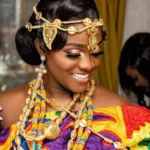
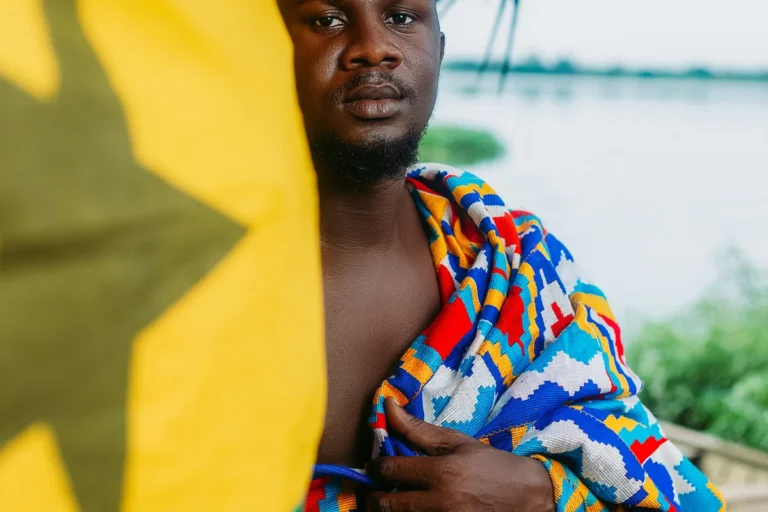
Ghana is relaxed about everyday dress — light, breathable clothing is the norm in the heat — but cover shoulders and knees at churches, mosques, shrines and when meeting elders or chiefs. Beachwear stays at the beach. Dressing well is actually admired here (Ghanaians dress sharply for church and events), and wearing local print or kente to a special occasion is taken as a compliment, not appropriation. For nightlife, smart-casual is expected.
Photography manners
Always ask before photographing people, especially at ceremonies, markets, religious sites and in rural communities — a smile and a gesture usually gets a warm yes. Some will ask for a small tip, which is fair. Avoid photographing military installations, the airport, and government buildings, which can cause real trouble. At funerals and festivals, watch what others do and follow suit.
Time, money and the small stuff
- “Ghana time” is real. Events and meetings often start late; build in flexibility and don’t take it personally.
- Bargaining is expected in markets and for taxis (agree the fare first) — do it with a smile, not aggression. Fixed-price shops are fixed.
- Tipping isn’t compulsory but is appreciated — round up taxis, leave a little for good service. See our money guide.
- Religion is public and respected. “How is your family?” and references to God are normal conversation; engage warmly.
- Use both hands or your right when giving a gift or business card.
Dining etiquette
Meals are communal and generous. Wash your hands at the basin before eating dishes meant for the hand (like fufu and banku), eat with your right hand, and accept what you’re offered — refusing food can disappoint a host. It’s polite to leave a little or to praise the cooking. If you’re invited to someone’s home, a small gift (fruit, drinks) is a lovely gesture. More on the food itself in our Ghanaian food guide.
A few things to avoid
- Don’t use or gesture with your left hand.
- Don’t point your finger at people or beckon with a crooked finger — use your whole hand.
- Don’t show public anger or raise your voice — composure is valued.
- Be aware Ghana is socially conservative; public displays of affection are best kept low-key.
- Don’t photograph or touch people or sacred objects without permission.
The bottom line
Ghanaian etiquette boils down to respect made visible: greet first, lead with your right hand, honour elders, dress thoughtfully and ask before you photograph. None of it is complicated, and locals are quick to forgive an honest mistake from a guest who’s clearly trying. Master these few customs and you’ll unlock the country’s legendary warmth — “akwaaba” becomes more than a word. Go deeper with our guides to Ghanaian culture and Twi phrases.