The Oti Region is Ghana’s quiet eastern edge — a long, lake-fringed strip running up the Volta arm toward the Togo border, carved from the northern Volta Region in 2019. It’s a land of ferry crossings, forested mountains and a little-known national park, where travel is slow and the rewards go to the adventurous. Few visitors make it here, which is exactly its charm. Here’s what to see in the Oti Region, when to go, and how to get there.
The vibe
Remote, watery and green. The Oti Region hugs the eastern shore of Lake Volta and rises into forested hills along the Togo frontier, with the small capital of Dambai on the lake. It’s farming and fishing country, off the tourist map, where the appeal is landscapes, lake journeys and mountain wilderness rather than monuments. Patience and a sense of adventure are essential.
Top things to do in the Oti Region
| Sight | What it is |
|---|---|
| Kyabobo National Park | Mountains, wildlife & trails near Nkwanta, by the Togo border |
| Mount Dzebobo | One of Ghana’s highest peaks, within Kyabobo |
| Lake Volta & Kete-Krachi ferries | Lake crossings and waterside life |
| Dambai | The lakeside regional capital |
| Worawora & Jasikan | Hill towns and forest country |
Mountains and a wild park
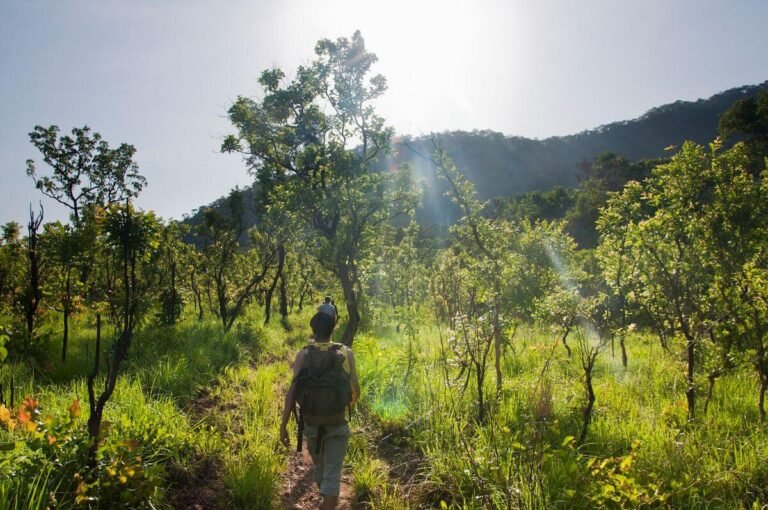
The region’s standout is Kyabobo National Park, near Nkwanta on the Togo border — a rugged park of mountains, grassland and forest that adjoins Togo’s Fazao-Malfakassa park, with trails, wildlife and the chance to climb Mount Dzebobo, among the highest peaks in Ghana. It’s wild, undeveloped and a genuine adventure for hikers willing to reach it.
The lake
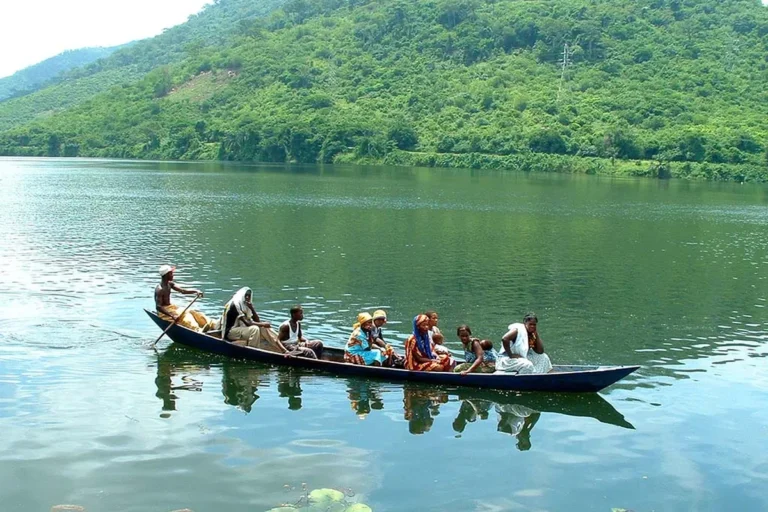
Much of Oti life revolves around Lake Volta. At Kete-Krachi and Dambai, ferries cross the great lake, linking communities and offering a slow, scenic way to travel through the region. It’s a different, water-bound rhythm — calm, photogenic and deeply local.
When to go & getting there
The dry season (November to March) is best for the roads, trails and lake travel (our best time guide). The Oti Region is reached overland from the Volta Region to the south or via Lake Volta ferries; distances are long and transport sparse, so a hired vehicle and a flexible schedule help enormously. This is journey-as-destination travel.
Where to stay
Dambai, Nkwanta and the larger towns have simple guesthouses for an overnight, and there’s basic accommodation near Kyabobo for those tackling the park. Facilities are limited — come prepared and keep expectations modest; the payoff is wilderness and solitude.
Explore the Oti Region’s attractions
Tap any place for the full details, map and visitor tips.
Also worth seeking out
Don’t miss the centuries-old Shiare “hanging village”, a stone settlement built into mist-covered cliffs, and the Oti River, a vast waterway that’s excellent for birdwatching and agritourism. The region is a cultural melting pot, too — time your visit for the Gyogyi (Yam) Festival or Nanaba Festival, set to traditional Agbadza music and drumming.
The bottom line
The Oti Region is for the adventurous — hike the mountains of Kyabobo National Park, cross Lake Volta by ferry, and lose the crowds entirely in Ghana’s quiet eastern wilderness. It takes effort and a hired vehicle, but rewards hikers and slow travellers with landscapes few outsiders ever see. Best linked with a Volta trip using our itinerary and things to do guides.