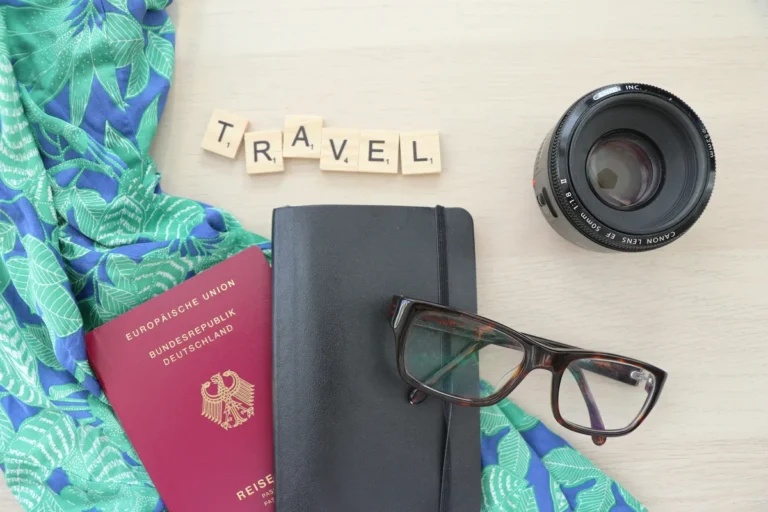
Packing for Ghana is an exercise in packing light but smart. It’s hot and humid year-round, modest dress matters at cultural and religious sites, and a few specific items — good sunscreen, strong insect repellent, the right plug adapter — are surprisingly hard to find or pricey once you arrive. Get the essentials right and you’ll be comfortable everywhere from a sweaty market to a breezy beach to a chilly-ish harmattan evening up north. Here’s the complete, practical packing list, plus what you can safely leave at home.
First, the climate you’re packing for
Ghana sits just north of the equator, so expect warm-to-hot days (mostly 25–33°C) and high humidity whenever you visit. The two big variables are rain (the wet season, roughly April–October, brings sharp downpours) and the harmattan (December–February), a dry, dusty Saharan wind that cools evenings and dries skin, especially in the north. Pack for heat first, then add a layer or two for rain or harmattan depending on your dates — see our best time to visit guide.
Clothing: light, breathable and modest
Natural fabrics are your friend — cotton and linen breathe; heavy synthetics will leave you drenched. Lean toward loose, light clothing in colours that hide dust (skip pristine white). Pack:
- Lightweight T-shirts, tops and loose trousers or long skirts.
- A few modest pieces that cover shoulders and knees for churches, mosques, shrines and meeting elders.
- Long sleeves and lightweight trousers for evenings (sun’s down, mosquitoes are up) and nature walks.
- Swimwear for the beaches and pools.
- One smart-casual outfit for Accra’s restaurants and nightlife (clubs enforce dress codes).
- A light layer or shawl for harmattan evenings and over-air-conditioned spaces.
- Comfortable closed shoes or trainers for walks and uneven castle stone, plus sandals/flip-flops.
- A hat and sunglasses.
Health and toiletries: pack these from home
This is the category people regret skimping on. Several items are genuinely hard to find or expensive in Ghana:
- Sunscreen and lip balm — surprisingly difficult to buy locally; bring enough.
- Insect repellent with DEET or picaridin — essential for malaria prevention.
- Antimalarial tablets — prescribed before you travel (see below).
- A small first-aid kit — plasters, antiseptic, painkillers, rehydration salts, anti-diarrhoeal, antihistamine.
- Any personal/prescription medication in its original packaging, with a copy of the prescription.
- Hand sanitiser and travel toilet paper — public restrooms often lack both.
- Wet wipes, and tampons/sanitary products if you’re particular about brands.
Documents and money
- Passport valid for at least six months, with blank pages.
- Visa (printed e-Visa or in passport) — see our visa guide.
- Yellow Fever certificate — mandatory; carry the physical card.
- Travel insurance documents (with medical/evacuation cover).
- Printed and digital copies of all the above, stored separately.
- US dollars in clean, newer notes to exchange, plus a Visa/Mastercard or two — see our money guide.
Electronics and the right plug
Ghana uses the UK-style Type G three-pin plug at 230V, so most travellers need a universal adapter. Power can be intermittent, so a few extras earn their place:
| Item | Why |
|---|---|
| Universal/UK (Type G) adapter | Essential to charge anything |
| Power bank | Long days out and the odd power cut |
| Phone + offline maps | Navigation, Bolt, Mobile Money |
| Headlamp/torch | Power outages, early safaris |
| Charging cables (spares) | Replacements are variable quality |
Season-specific add-ons
- Rainy season (Apr–Oct): a packable rain jacket, quick-dry clothes, and sandals that cope with mud.
- Harmattan (Dec–Feb): extra lip balm and moisturiser, eye drops for the dust, and a light layer for cooler evenings, especially up north.
- Safari at Mole: neutral-coloured long sleeves/trousers and closed shoes for the walking safari.
The handy extras
- Refillable water bottle — stay hydrated and cut plastic (drink bottled/sachet water).
- Daypack and a crossbody bag for valuables in markets.
- Earplugs and an eye mask — nights can be noisy with open windows.
- A few small gifts if you’ll visit families or communities.
- A microfibre towel/handkerchief for wiping sweat in the heat.
What you can leave at home
Don’t over-pack. You can buy beautiful, cheap clothing and fabric locally (Makola and Kejetia are a joy), so leave room in your bag. Skip heavy jackets, formalwear you won’t use, valuables and flashy jewellery you’d hate to lose, and large amounts of toiletries you can replace — though as noted, sunscreen and repellent are the exceptions worth bringing. Travelling lighter makes the heat and the moving-around far more pleasant.
The printable Ghana packing checklist
Run through this before you zip the bag:
- Clothing: light tops & trousers, modest pieces (cover shoulders/knees), evening long sleeves, swimwear, one smart-casual outfit, light layer, closed shoes, sandals, hat, sunglasses.
- Health: sunscreen, lip balm, DEET/picaridin repellent, antimalarials, prescription meds, first-aid kit, hand sanitiser, rehydration salts, travel toilet paper.
- Documents: passport (6+ months), visa, Yellow Fever certificate, insurance, printed & digital copies, emergency contacts.
- Money: clean US dollars to exchange, two payment cards.
- Tech: UK/Type-G adapter, power bank, cables, phone, headlamp/torch.
- Extras: refillable water bottle, daypack, crossbody bag, sweat towel/handkerchief, earplugs & eye mask.
Packing notes for specific travellers
Women may want a versatile scarf/shawl (handy for sun, modesty at sacred sites, and cool interiors) and any preferred sanitary products, as specific brands can be hard to find. Families should pack children’s medications, repellent suitable for kids, and snacks for long drives. For a Mole safari, bring neutral-coloured long sleeves and trousers, closed walking shoes, and binoculars if you have them. And whatever you bring, leave a little space — Ghana’s markets and fabric shops are irresistible, and you’ll want room to carry treasures home.
The bottom line
Pack light, breathable, modest clothing for the heat, a layer for rain or harmattan, and the easy-to-forget essentials — sunscreen, DEET repellent, antimalarials, a UK-style adapter, a power bank and copies of your documents. Carry your Yellow Fever card and some clean US dollars, bring a refillable bottle and a sweat towel, and leave space for the cloth you’ll inevitably buy. Nail this list and you’ll be comfortable, prepared and free to focus on Ghana itself. Round out your prep with our health and money guides.