How much does a trip to Ghana actually cost? It’s one of the first questions travellers ask, and the honest answer is: it’s flexible. Ghana can be done on a tight backpacker budget or as a comfortable mid-range trip, with luxury options too — the big variables are accommodation, whether you fly internally, and how you get around. Here’s a realistic, cedis-and-dollars guide to budgeting your Ghana trip, with daily costs by travel style and what each buys you.
Daily budget by travel style
| Style | Per day (excl. flights) | Roughly |
|---|---|---|
| Backpacker | GH₵400–800 | ~$30–65 |
| Mid-range | GH₵1,000–2,500 | ~$80–200 |
| Comfort / upscale | GH₵3,000–6,000+ | ~$250–500+ |
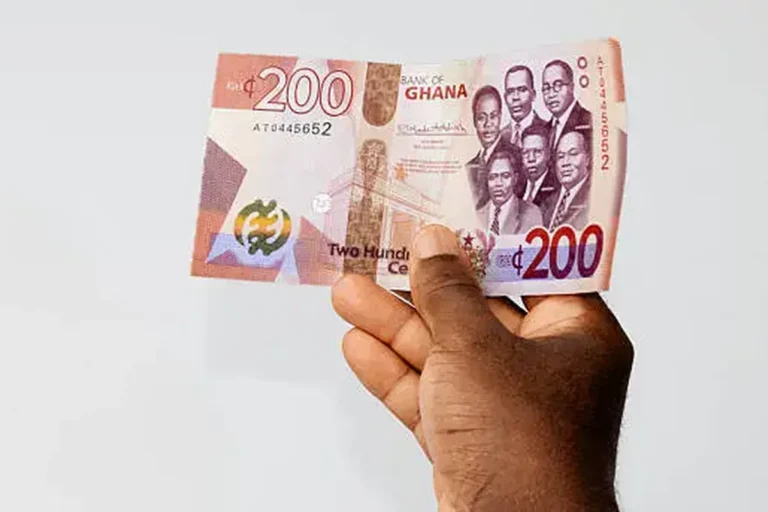
These cover accommodation, food, local transport and activities per person per day, not international flights. The cedi moves, so treat dollar figures as ballpark and check current rates (see our money guide).
What things cost
| Item | Typical price (GH₵) |
|---|---|
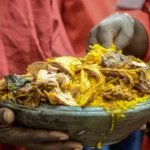
| Street-food meal (waakye, jollof) | 15–40 |
| Restaurant main | 60–180 |
| Local beer | 20–45 |
| Bolt ride across town | 20–60 |
| Budget guesthouse / night | 150–500 |
| Mid-range hotel / night | 500–1,500 |
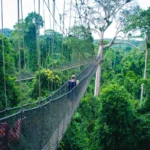
| Attraction entry (castle, Kakum) | 40–150 |
| Domestic flight (Accra–Tamale, one way) | 700–1,400 |
The big-ticket items
Three things drive your budget. International flights are usually the biggest single cost (see our flights guide). Accommodation is next — the gap between a GH₵200 guesthouse and a GH₵2,000 hotel is huge (see our hotels by budget guide). And transport — especially whether you hire a car-and-driver or fly north — adds up. Food, local Bolt rides and most attractions are cheap by comparison.
Sample trip costs
As a rough guide, a one-week trip (excluding international flights) might run around GH₵3,500–6,000 backpacker, GH₵8,000–17,000 mid-range, and well above that for comfort travel — scaling up for two or three weeks and for adding a flown northern safari. A hired car-and-driver for touring is a major but worthwhile add-on. Use our itinerary to map your route, then cost it by the day rates above.
How to save
- Avoid December — festive-season prices spike across flights and hotels.
- Eat local — chop bars and street food are delicious and cheap (our food guide).
- Use Bolt and coaches over private hire where you can.
- Pay in cedis, carry small notes, use Mobile Money.
- Share a car-and-driver across a group to split touring costs.
The bottom line
Ghana suits almost any budget: roughly GH₵400–800 a day backpacking, GH₵1,000–2,500 mid-range, and more for comfort — with international flights, accommodation and transport the big levers. Travel outside December, eat local, pay in cedis, and you’ll stretch your money far. Plan it precisely with our money, hotels by budget and itinerary guides.