If Accra is Ghana’s head, Kumasi is its soul. The capital of the Asante (Ashanti) Kingdom is a proud, dense, deeply traditional city where a living monarchy, one of West Africa’s largest markets and centuries-old craft villages all sit within a short drive of each other. It’s a different Ghana from the coast — more ceremonial, more inland, more rooted — and for anyone interested in culture, it’s unmissable. Here’s how to experience the Garden City and fit it into your trip.
Kumasi’s top sights at a glance
| Sight | What it is | Time needed |
|---|---|---|
| Manhyia Palace Museum | Seat of the Asante king; history of the kingdom | 1–2 hrs |
| Kejetia Market | Vast open-air market, ~12,000 stalls | 1–3 hrs |
| Craft villages | Kente, adinkra & woodcarving (Bonwire, Ntonso, Ahwiaa) | Half/full day |
| Lake Bosomtwe | Ghana’s only natural lake, sacred crater | Half/full day |
| Okomfo Anokye Sword | Legendary sword tied to the kingdom’s founding | 30–45 mins |
Step into royalty at Manhyia Palace
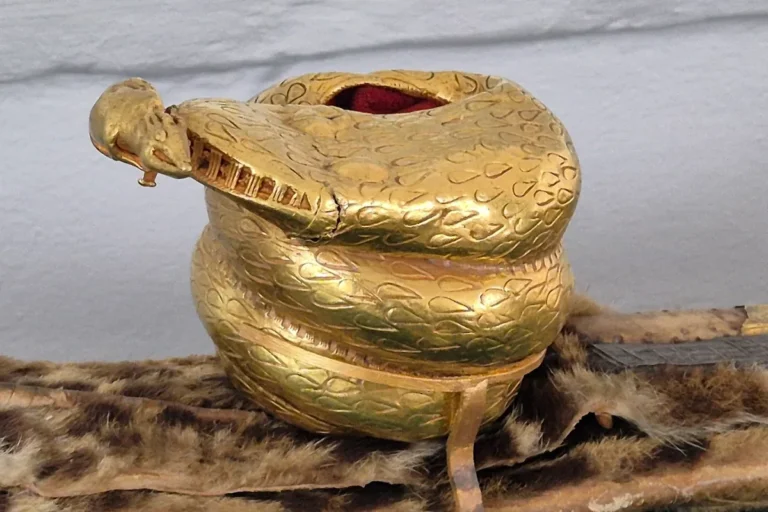
Start here to understand everything else. Manhyia Palace is the seat of the Asantehene, the king of the Asante — a monarchy that is very much alive and central to Ghanaian identity. The palace museum traces the full arc of the kingdom: its 17th-century founding, the three Anglo-Asante wars, the British exile of the king, and the restoration of the throne. Life-size figures, royal regalia and gold artefacts bring the story to life. It’s the single best primer on Asante culture and history you’ll find.
Brave the mighty Kejetia Market
Kejetia (Central) Market is one of the largest markets in West Africa — roughly twelve acres and around 12,000 stalls of glorious chaos. You’ll find everything: cloth and Asante sandals, beads and busts, fresh produce, spices, secondhand everything. It is overwhelming in the best way. Go with a local guide if you can, carry small notes, keep your phone tucked away, and surrender to it — this is commerce as theatre and the true pulse of the city.
Watch the crafts come to life
The villages around Kumasi are where Ghana’s most famous crafts are still made by hand — and watching is half the joy:
- Bonwire & Adanwomase — the home of kente, where weavers work narrow strip looms exactly as their great-grandparents did. You can watch, learn the meaning of the patterns, and buy direct.
- Ntonso — the centre of adinkra cloth, stamped by hand with calabash stamps carrying symbols, each with its own proverb and meaning.
- Ahwiaa — the woodcarvers’ village, famous for stools, masks and the iconic Asante symbols.
Buying straight from the makers means better prices and far more meaningful souvenirs than any airport shop.
Feel the living culture: Akwasidae
If your timing is lucky, don’t miss Akwasidae — a grand royal festival held roughly every six weeks (on a Sunday) at Manhyia Palace, when the Asantehene receives his chiefs amid drumming, dancing, kente and gold in full regalia. It’s one of the most spectacular living cultural events in the country. Check dates against your trip; catching one elevates a Kumasi visit from interesting to unforgettable. See our festivals guide for timing.
Cool off at Lake Bosomtwe
About 30km southeast of the city lies Lake Bosomtwe, Ghana’s only natural lake — a serene crater formed by a meteorite, ringed by forested hills and small villages. The Asante consider it sacred (tradition holds the souls of the dead pass through it), and today it’s a beautiful spot to swim, paddle, eat fresh fish and slow right down. It’s the perfect half-day antidote to Kejetia’s intensity.
A few more stops
- Okomfo Anokye Sword Site — the legendary sword said to have been driven into the ground in 1701 when the Golden Stool descended from the sky to unite the Asante; according to tradition, it has never been pulled out.
- Kumasi Fort & Military Museum — a 19th-century fort telling the story of the Anglo-Asante wars and beyond.
- Owabi Wildlife Sanctuary — a forest reserve and reservoir just outside town with around 160 bird species, good for a quiet morning walk.
Getting there and fitting it in
Kumasi sits inland, northwest of Accra. You can drive (around 4–5 hours via the main highway) or take a quick domestic flight (under an hour) — flying saves the most time if your schedule is tight. Two nights is the sweet spot: one day for Manhyia, Kejetia and the city, another for the craft villages or Lake Bosomtwe. It slots naturally into a 10-day Ghana itinerary after the coastal castles, or as a cultural add-on to a wider loop.
Where to stay
Kumasi has a good range of hotels and guesthouses across the city, from comfortable mid-range places near the centre to quieter options out toward the university and the lake. Stay central for easy access to Manhyia and Kejetia, or by Lake Bosomtwe for a calmer, scenic base. Book ahead if your visit coincides with an Akwasidae festival, when the city fills up.
What to eat in Kumasi
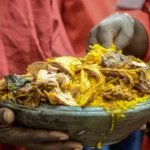
You’re in the fufu heartland, so this is the place to eat it at its best — smooth pounded fufu in light or groundnut soup with goat or fish. Look out too for ampesi (boiled yam or plantain with kontomire or garden-egg stew), a quintessential Ashanti comfort meal. The chop bars around Kejetia and the residential neighbourhoods serve honest, home-style plates for a few cedis; follow the lunchtime crowds. See our wider Ghanaian food guide for what to order.
Best time to visit Kumasi
The dry season (November to March) is the most comfortable time to explore the city and craft villages. The real prize, though, is timing your visit to an Akwasidae festival at Manhyia Palace — held roughly every six weeks on a Sunday — when the court comes alive in full regalia. Check the dates against your trip in our festivals guide and our best time to visit overview.
A suggested 2 days in Kumasi
- Day 1 — the city: Manhyia Palace Museum in the morning, lunch at a local chop bar, then brave Kejetia Market and the Okomfo Anokye Sword site in the afternoon.
- Day 2 — culture & nature: the craft villages (Bonwire for kente, Ntonso for adinkra, Ahwiaa for carving), or swap in a half-day at Lake Bosomtwe to swim and unwind.
Getting around Kumasi
Ride-hailing (Bolt) and metered-ish taxis are the easiest way around the city; agree fares first for street taxis. Shared trotro minibuses are the cheap local option but take patience. The craft villages and Lake Bosomtwe are best reached with a hired car or driver for the day, which also lets you cover several in one trip. Expect traffic around Kejetia — plan market visits outside peak hours.
The bottom line
Kumasi rewards anyone curious about the real cultural depth of Ghana. Anchor your visit on Manhyia Palace to grasp the living kingdom, throw yourself into Kejetia, spend a day with the kente and adinkra makers, and unwind at Lake Bosomtwe — and if an Akwasidae falls during your trip, build everything around it. Two days here adds a dimension the coast simply can’t. Plan the wider route with our itinerary guide and see how it links to Ghana’s top experiences.