Health is the part of Ghana planning you don’t want to wing. The good news: with the right vaccinations, malaria precautions and a bit of common sense around food and water, the vast majority of visitors have a completely healthy trip. The essentials are simple — a mandatory Yellow Fever certificate, antimalarials, a few recommended jabs and sensible hygiene. This guide walks through exactly what you need, when to organise it, and how to stay well on the ground. It’s general information, not medical advice — always see a travel clinic or doctor for your personal situation.
Start here: see a travel clinic early
Book a travel-health appointment at least four to six weeks before you fly. That gives time for vaccines to take effect (Yellow Fever must be done at least 10 days ahead) and for any multi-dose courses. The clinic will tailor advice to your health, your exact itinerary (the north and rural areas differ from Accra) and how long you’re staying. This single step prevents almost every avoidable health problem.
Yellow Fever: mandatory
A Yellow Fever vaccination certificate is required to enter Ghana for all travellers (generally from 9 months of age), and it can be checked at the visa stage and on arrival. The good news: a single dose now provides lifetime protection, and the certificate is valid for life. Get it at least 10 days before travel for it to count, and carry the physical (or digital) certificate with you alongside your passport.
Malaria: take it seriously
Malaria is present throughout Ghana, all year round, and the local strains are chloroquine-resistant — so prevention rests on two pillars: antimalarial tablets and avoiding bites. Common prescription options include atovaquone-proguanil (Malarone), doxycycline or mefloquine; a travel clinic will advise which suits you and your trip length. Take them exactly as directed, including after you return. Just as important is bite prevention — mosquitoes here bite mainly at dusk and night.
- Use DEET or picaridin repellent on exposed skin, especially evenings.
- Wear long sleeves and trousers after dark.
- Sleep under a mosquito net or in screened/air-conditioned rooms.
- Know the symptoms (fever, chills, headache) — and act fast if they appear, even after you get home.
Recommended vaccinations
Beyond Yellow Fever, several vaccines are commonly recommended for Ghana. Your clinic will confirm based on your history and plans:
| Vaccine | Status for Ghana | Notes |
|---|---|---|
| Yellow Fever | Required for entry | 10 days before travel; lifetime validity |
| Hepatitis A | Recommended | Food/water-borne |
| Typhoid | Recommended | Food/water-borne |
| Hepatitis B | Often recommended | Especially longer stays |
| Meningitis (ACWY) | Consider | Higher risk in the dry season/north |
| Rabies | Consider | Long/rural stays, animal contact |
| Cholera | Sometimes | Depending on itinerary/outbreaks |
| Routine (MMR, Tdap, polio, COVID) | Be up to date | Boosters as needed |
Food and water safety
Travellers’ diarrhoea is the most common complaint — and the most preventable. Drink bottled or sachet (“pure”) water, never tap; be cautious with ice; eat food that’s freshly cooked and served hot; favour busy stalls with high turnover; and peel fruit yourself. Ease into street food rather than diving in on arrival. Our street food safety guide covers how to enjoy Ghana’s amazing food without the upset.
Other health risks to know
- Sun and heat: dehydration and heatstroke are real in the humidity — drink constantly, cover up, and pace yourself.
- Bilharzia (schistosomiasis): avoid swimming in still freshwater lakes and slow rivers (Lake Volta included); the sea and chlorinated pools are fine.
- Other mosquito-borne illness: dengue and similar exist — the same bite-prevention steps cover them.
- Cuts and infections: clean and cover wounds promptly in the humid climate.
Medical care, pharmacies and insurance
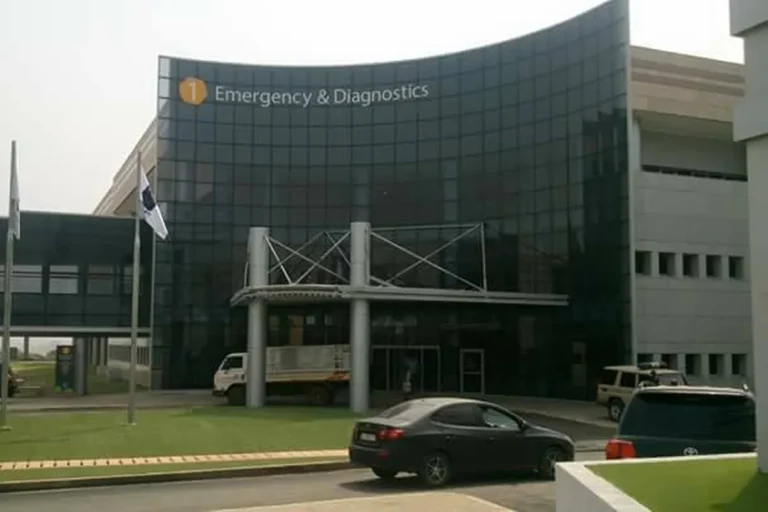
Accra and the larger cities have good private clinics and hospitals, and pharmacies (“chemical shops”) are widespread for minor needs — but quality and stock vary, and private care is paid upfront. Comprehensive travel insurance with medical and emergency-evacuation cover is essential, as serious cases may need evacuation. Carry your insurer’s 24-hour line, a basic first-aid kit and your own prescription medication in its original packaging. The national emergency number is 112.
After you return
Finish your full course of antimalarials even once home, and stay alert: if you develop a fever, chills or flu-like symptoms within a year of returning (most often the first few months), see a doctor promptly and tell them you’ve been in a malaria zone. Caught early, malaria is very treatable; ignored, it’s dangerous. This one habit is the most important part of the whole plan.
Building a travel first-aid kit
Pharmacies exist but stock varies, so pack a basic kit:
- Pain/fever relief (paracetamol, ibuprofen).
- Anti-diarrhoeal medication and oral rehydration salts.
- Antihistamines for bites and allergies.
- Antiseptic wipes/cream, plasters and bandages.
- Your antimalarials and any personal prescriptions (original packaging).
- Insect repellent, sunscreen and after-sun.
- Motion-sickness tablets for winding roads, if you’re prone.
Common ailments and how to handle them
The usual issues are minor and manageable. Stomach upsets respond to rest, fluids and rehydration salts — seek a doctor if symptoms are severe or persistent. Heat and dehydration are easy to underestimate: drink constantly, rest in the midday heat, and watch for headaches and fatigue. Insect bites are best prevented, but treat itching with antihistamine and keep them clean to avoid infection in the humid climate. Pregnant travellers and young children should get specialist pre-trip advice, as some antimalarials and vaccines have age and pregnancy considerations.
The bottom line
Stay healthy in Ghana with four moves: see a travel clinic 4–6 weeks ahead, get your mandatory Yellow Fever jab plus recommended vaccines, take antimalarials and prevent bites, and be sensible with food and water. Add good travel insurance and a small first-aid kit, watch for fever after you return, and you’ve covered the essentials. Do this and the only thing you’ll bring home is great memories. Pair with our packing list and visa guide to finish your prep.