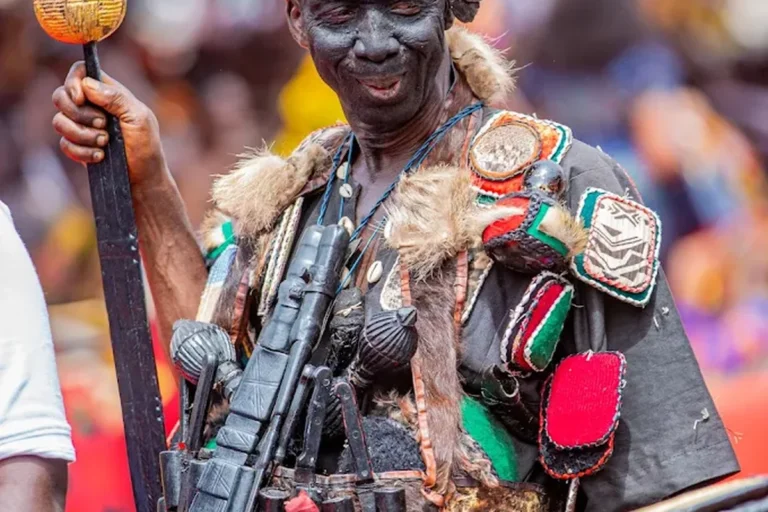
If you want to see Ghana with the volume turned all the way up, time your trip to a festival. The Ghanaian calendar bursts with them — harvest celebrations, deer hunts, royal durbars, fire processions and street-art explosions — each a riot of drumming, dancing, kente and gold, and a window into living tradition you simply can’t get any other way. From the Ga’s Homowo to the Asante’s Akwasidae and Accra’s modern AfroFuture, here’s a guide to Ghana’s best festivals and when they happen.
Ghana’s festival calendar
| Festival | Where | When |
|---|---|---|
| Aboakyer (deer hunt) | Winneba (Central) | May |
| Bakatue (fishing) | Elmina (Central) | July |
| Chale Wote (street art) | Jamestown, Accra | August |
| Homowo (harvest) | Greater Accra (Ga) | Aug–Sept |
| Fetu Afahye | Cape Coast | September |
| Hogbetsotso | Anloga (Volta, Ewe) | November |
| Damba / Bugum (fire) | Northern | Varies (Islamic calendar) |
| Akwasidae (royal) | Kumasi (Ashanti) | Every ~6 weeks (Sun) |
| AfroFuture (music) | Accra | December |
The great traditional festivals
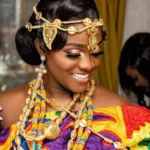
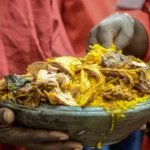
Homowo (“hooting at hunger”) is the Ga harvest festival, when sprinkled kpokpoi, drumming and processions fill Accra, Teshie and Nungua across August–September. Aboakyer in Winneba is a dramatic live deer hunt between two Asafo companies each May, while Hogbetsotso gathers the Anlo-Ewe at Anloga in November to mark their migration from Notsie with a grand durbar. Fetu Afahye turns Cape Coast into a sea of colour each September. These are the cultural heart of the calendar.
Royal & northern festivals
The Asante Akwasidae is special because it recurs — roughly every six weeks on a Sunday at Manhyia Palace, when the Asantehene receives his chiefs in full regalia, so your chances of catching one are good (see our Kumasi guide). Up north, Damba honours the Dagbon kingdom with horse-riding chiefs and drumming, and the Bugum (Fire) Festival lights the night with torch-lit processions for the Islamic new year.
Modern festivals & Detty December
Ghana’s festival scene isn’t only traditional. Each August, Chale Wote transforms historic Jamestown into a wild celebration of street art, performance, fashion and music — Accra’s most creative weekend. And December’s AfroFuture (formerly Afrochella) headlines the diaspora homecoming of Detty December, with Afrobeats stars, art and food.
Tips for festival-going
- Confirm dates early — many follow lunar or traditional calendars and shift year to year.
- Dress respectfully and follow the crowd’s lead; ask before photographing chiefs and rituals.
- Book accommodation ahead — festival towns fill up fast (especially December).
- Go with a local or guide for context at the big durbars.
- Time your whole trip around one — it’s the single best upgrade to a Ghana visit (see our best time to visit guide).
The bottom line
Ghana’s festivals are the country at full voltage — the Ga Homowo, the Winneba Aboakyer, the Asante Akwasidae, the Anlo-Ewe Hogbetsotso, plus modern blowouts like Chale Wote and AfroFuture. Catch even one and you’ll see the culture, colour and community that define the place. Plan your trip around the calendar with our best time to visit and culture guides.