Ghana is one of the world’s great sources of shea butter — the rich, creamy “women’s gold” pressed from the nuts of the wild shea tree across the northern savannah. Long before it appeared in Western cosmetics, Ghanaian women were making it by hand for skin, hair, cooking and healing, and that tradition continues today in cooperatives that channel income to rural communities. Pure, raw and a fraction of the price you’d pay abroad, it’s one of the best (and most useful) things to buy in Ghana. Here’s the guide.
What is shea butter?
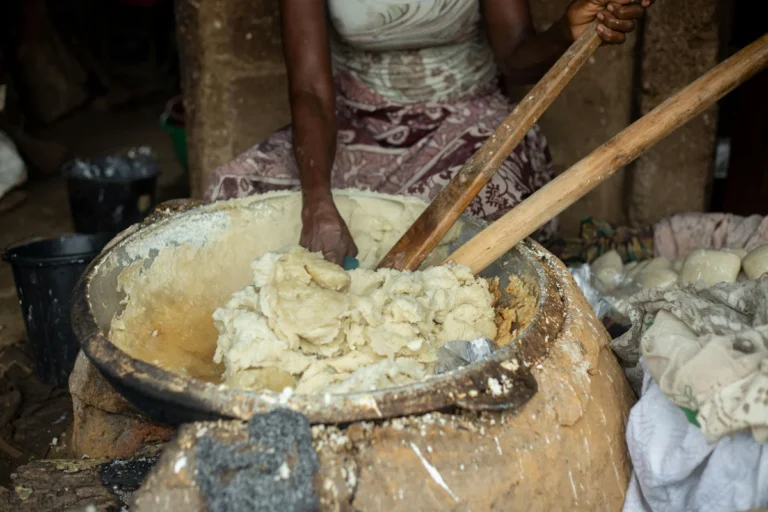
Shea butter is a natural fat extracted from the nuts of the shea tree (Vitellaria paradoxa), which grows wild across the savannah belt of northern Ghana. The nuts are gathered, cracked, roasted, ground and laboriously kneaded and boiled by hand — overwhelmingly by women — to produce a thick, ivory-coloured butter prized for moisturising skin and hair, soothing dryness, and as a traditional remedy and cooking fat. It’s often called “women’s gold” for the livelihoods it provides.
Raw vs refined
| Type | Characteristics |
|---|---|
| Raw / unrefined | Ivory/yellowish, nutty smell, most nutrients |
| Refined | White, odourless, smoother texture, fewer nutrients |
| African black soap | Made with shea + plantain ash — a great buy too |
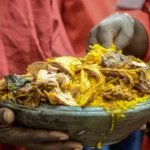
Most travellers want the raw, unrefined butter for its full nourishing properties — it’s ivory to pale yellow with an earthy, nutty smell (the scent fades on the skin). Genuine raw shea is what you’ll find at the source.
Where to buy it
The best shea comes from the north — Tamale, Bolgatanga and the surrounding regions — often through women’s cooperatives where buying direct supports the makers fairly (see our Tamale and Upper East guides). Elsewhere you’ll find it at markets, the Accra Arts Centre, craft shops and supermarkets nationwide, alongside African black soap. For gifts, look for cooperative-branded tubs — better quality and a better story.
What to pay & how to use it
A tub of raw shea typically runs GH₵20–60 depending on size and packaging, and black soap just GH₵5–20 a bar — a steal compared to overseas prices (see our price guide). Use it as a body and hand moisturiser, hair and beard conditioner, lip balm, or to soothe sunburn and dry skin — a little, warmed between the fingers, goes a long way. It’s light, packs easily and makes a thoughtful, practical gift.
Tips for buying shea butter
- Choose raw/unrefined for the most benefits (ivory colour, nutty smell).
- Buy from cooperatives in the north to support women makers.
- Grab black soap too — cheap, natural and excellent.
- Check it’s pure — genuine shea melts on skin contact.
- Seal tubs well for packing; cash or MoMo at markets.
The bottom line
Shea butter is Ghana’s “women’s gold” — pure, nourishing, dirt-cheap by Western standards, and a buy that supports rural women’s livelihoods. Choose raw, unrefined butter, ideally from a northern cooperative, add a few bars of black soap, and you’ve got the most useful souvenir of the trip. Plan more with our shopping and price guides.