Ghana’s wild northwest frontier, the Upper West is the country’s least-visited region — remote, deeply traditional and all the more rewarding for it. This is hippo country: the Black Volta River along the Burkina Faso border shelters one of Ghana’s last hippo populations at the community-run Wechiau sanctuary. Add ancient mosques, slave-defence walls and the proud Wala kingdom at Wa, and the Upper West offers a genuinely off-the-map adventure for travellers who make the journey. Here’s what to see, when to go, and how to reach it.
The vibe
Dry, open and far from the tourist trail. The Upper West is Sahelian savannah on Ghana’s northwestern edge, centred on the small capital of Wa, with the Black Volta forming its western border with Burkina Faso. Life here moves to a farming and Islamic rhythm, the welcome is warm and the experiences feel genuinely undiscovered — this is for the curious, patient traveller.
Top things to do in the Upper West
| Sight | What it is |
|---|---|
| Wechiau Hippo Sanctuary | Community reserve on the Black Volta; river cruises to see hippos |
| Wa Naa’s Palace | Sudanese-style seat of the Wala traditional ruler |
| Nakore Mosque | An ancient mud mosque near Wa |
| Gwollu Slave Defence Wall | Historic defensive wall against slave raiders |
| Gbele Resource Reserve | Antelope, birds and quiet savannah |
The hippos of Wechiau
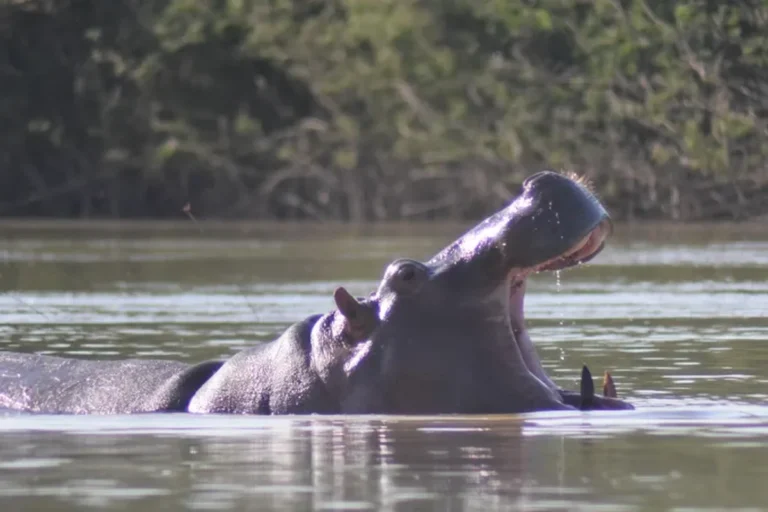
The region’s star attraction is the Wechiau Community Hippo Sanctuary, a 40km stretch of the Black Volta River and one of only two places in Ghana you can see hippos in the wild. Morning and evening river cruises give the best chance of spotting them, alongside crocodiles, monitor lizards, baboons and rich birdlife. Run by the local community in partnership with conservation groups, it’s eco-tourism done right — with guided walks, village visits and a riverside “hippo hide” to relax in.
History and heritage
Wa itself centres on the Wa Naa’s Palace, a fine example of Sudanese mud architecture and the seat of the Wala kingdom. Nearby, the Nakore Mosque is one of several ancient mud mosques in the north, and at Gwollu a surviving slave-defence wall recalls the era when communities fortified themselves against slave raiders — a powerful northern counterpoint to the coastal castles.
When to go & getting there
Visit in the dry season (November to June), the best window for hippo-spotting at Wechiau (our best time guide). The Upper West is remote: most travellers fly to Tamale and drive on to Wa (a long haul), or reach it overland from the Upper East. Within the region you’ll want a hired vehicle or guide; distances are large and transport sparse. Give it time and patience — it’s a frontier, not a quick stop.
Where to stay
Wa has simple, comfortable guesthouses and hotels for a base, while the Wechiau sanctuary offers basic community accommodation and a riverside camp for an immersive overnight close to the hippos. Keep expectations modest; the appeal here is authenticity, not luxury.
Explore the Upper West’s attractions
Tap any place for the full details, map and visitor tips.
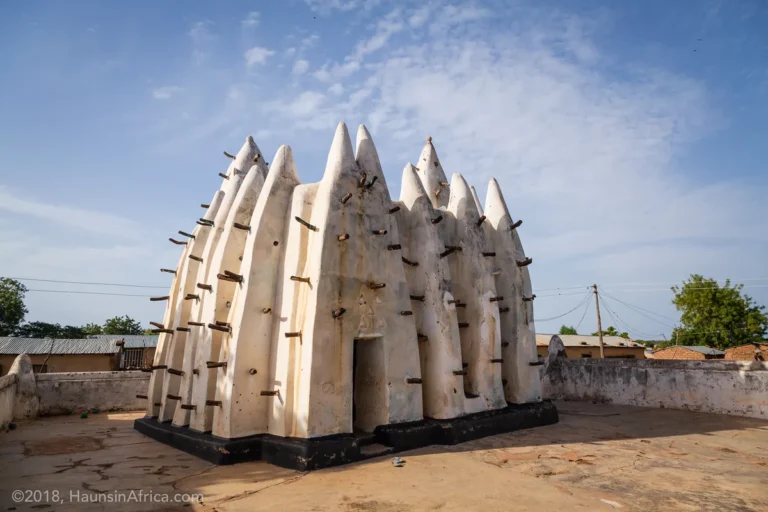
Nakore Mosque
An ancient Sudanic mud-and-stick mosque outside Wa — one of Ghana's eight old mosques, quieter than Larabanga.
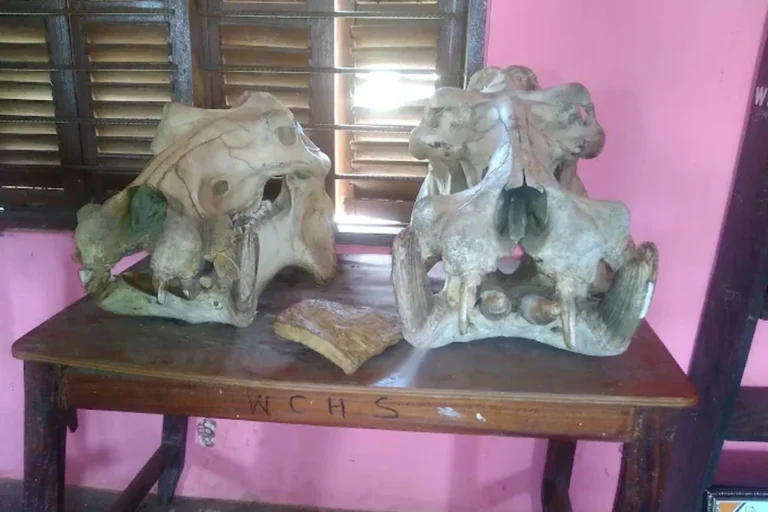
Wechiau Hippo Sanctuary
Canoe with wild hippos on Black Volta River. Community-run. Extraordinary.
The bottom line
The Upper West is Ghana at its most remote and rewarding — cruise the Black Volta to see hippos at Wechiau, visit the Wa Naa’s Palace and ancient mud mosques, and stand at the Gwollu slave-defence wall. It takes real effort to reach, but for adventurous travellers it’s one of the country’s most genuine corners. Pair it with an Upper East and northern loop using our itinerary guide.