The North East Region is Ghana’s far-northern frontier — a Sahelian land of escarpments, ancient mosques, slave-defence walls and one of West Africa’s most unusual settlements, the so-called “witches’ village” at Gambaga. Created in 2019 from the Northern Region, it’s remote, dry and rich in history, drawing the rare traveller who wants the deep north’s culture and dramatic landscapes without another tourist in sight. Here’s what to see in the North East Region, when to go, and how to get there.
The vibe
Dry, dramatic and steeped in history. The North East is Sahel country — cliffs, escarpments and savannah near the Burkina Faso and Togo borders — centred on the historic capital of Nalerigu. This is the land of the Mamprusi kingdom, ancient mud architecture and sobering slave-era heritage, where the appeal is culture and landscape rather than wildlife or beaches.
Top things to do in the North East
| Sight | What it is |
|---|---|
| Nalerigu Slave Defence Wall | Ruins of a wall built to repel slave raiders |
| Gambaga Escarpment | Dramatic cliffs with sweeping Sahel views |
| Gambaga “witches’ camp” | A refuge village with a difficult, important story |
| Nakpanduri cliffs | Scenic ridge and viewpoint |
| Ancient mosques | Sudanese-style mud mosques of the deep north |
History and landscapes
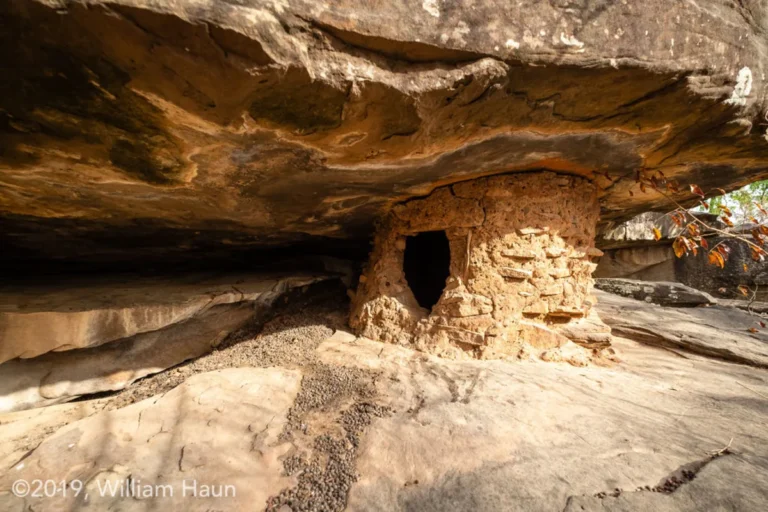
The region’s Nalerigu Slave Defence Wall recalls the era when communities fortified themselves against slave raiders — a powerful northern counterpart to the coastal castles. The Gambaga Escarpment and Nakpanduri cliffs deliver dramatic Sahel scenery and big-sky views, while ancient mud mosques dot the landscape. Together they paint a picture of a proud, ancient north.
The Gambaga camp
One of the region’s most significant — and sensitive — sites is the Gambaga “witches’ camp,” a centuries-old refuge where women accused of witchcraft have sought safety. It’s a sobering window into belief, gender and social justice in rural Ghana, and several NGOs work to support its residents. Visit thoughtfully and respectfully, ideally with a guide who can provide context.
When to go & getting there
Visit in the dry season (November to April); the harmattan brings cooler, dusty days, and it gets very hot before the rains (our best time guide). The North East is reached overland from Tamale (the nearest airport) toward Nalerigu and Gambaga, often combined with an Upper East or northern loop. A hired vehicle is essential for the distances.
Where to stay
Nalerigu and Gambaga have basic guesthouses for an overnight, suitable for travellers exploring the escarpment and historic sites. Tourism is minimal here, so plan ahead, keep expectations modest, and the reward is authenticity and solitude.
Explore the North East Region’s attractions
Tap any place for the full details, map and visitor tips.
Listings coming soon.
The bottom line
The North East is Ghana’s historic far frontier — the Nalerigu slave-defence wall, the cliffs of the Gambaga Escarpment, ancient mosques and the thought-provoking Gambaga camp, all under big Sahel skies. It takes commitment and a hired vehicle to reach, usually via Tamale, but rewards history-minded, adventurous travellers with a Ghana few ever see. Pair it with a northern loop using our itinerary and things to do guides.