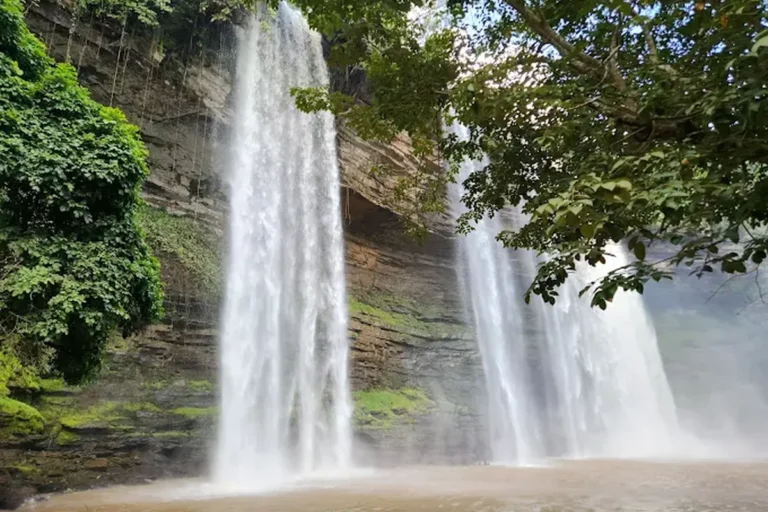
For a country most people associate with castles and beaches, Ghana hides a surprising number of waterfalls — from the highest cascade in West Africa thundering through Volta rainforest to twin falls beneath a curious umbrella rock and quiet plunge pools an easy drive from Accra. They’re at their most spectacular in and just after the rains, when the green is electric and the water roars. Here are the 8 best waterfalls in Ghana, where to find them, and how to make the trip.
Ghana’s waterfalls at a glance
| Waterfall | Region | Why go |
|---|---|---|
| Wli Falls | Volta | The highest in West Africa |
| Boti Falls | Eastern | Twin falls & umbrella rock |
| Kintampo Waterfalls | Bono East | Dramatic ~70m tiers & canopy walk |
| Tagbo Falls | Volta | A scenic hike-in near Afadjato |
| Tsatsadu Falls | Volta | Cool pool near Alavanyo |
| Asenema Falls | Eastern | Quiet & close to Accra |
| Tsenku Falls | Greater Accra | A hike-in plunge near Dodowa |
| Fuller Falls | Bono East | A quieter Kintampo alternative |
1. Wli Falls (Volta Region)
The big one. Near Hohoe in the Agumatsa reserve, Wli is the highest waterfall in West Africa, plunging from around 80m in lush rainforest. A flat, easy trail leads to the lower falls (often with thousands of fruit bats overhead); a steep, sweaty climb reaches the upper falls. It’s Ghana’s must-see cascade and the centrepiece of any Volta Region trip.
2. Boti Falls (Eastern Region)
A twin waterfall — said to be “male and female” — reached by descending 250 steps into a forest reserve near Huhunya. Nearby stand the curious “umbrella rock” and a three-in-one palm tree. Boti is seasonal and at its most powerful between June and August, making it a favourite day trip from Accra.
3. Kintampo Waterfalls (Bono East)
In the middle of the country near Kintampo, this dramatic series of cascades drops around 70 metres through forest, with steps, a canopy walkway and a swimming spot at the base. It’s the natural highlight of the Bono East Region and an easy break on the long drive between the south and the north.
4. Tagbo Falls (Volta Region)
Tucked deep in the hills near Liati Wote, Tagbo rewards a scenic guided hike through forest and cocoa farms — it pairs perfectly with a morning climb of nearby Mount Afadja (see our mountains & hikes guide). Quieter and wilder than Wli, it’s a lovely half-day.
5. Tsatsadu Falls (Volta Region)
Near Alavanyo, Tsatsadu is a pretty, lesser-known cascade with a cool natural pool and an easy forest walk in — a refreshing, crowd-free stop for anyone exploring the Volta hills beyond the headline sights.
6. Asenema Falls (Eastern Region)
Just about 90 minutes from Accra in the Akuapem hills, Asenema is the easiest “real” waterfall escape from the capital — rarely crowded, cool and green, with a plunge pool perfect for a picnic-and-dip afternoon.
7. Tsenku Falls (Greater Accra)
Closest of all, Tsenku sits in the Shai hills near Dodowa, reached on a forest hike from Accra. A multi-drop fall with a refreshing pool at the base, it’s a great active day trip when you want nature without leaving the region.
8. Fuller Falls (Bono East)
A quieter alternative to its famous neighbour Kintampo, Fuller Falls is a scenic multi-tier cascade good for a swim — worth the short detour if you’re already in central Ghana.
Browse Ghana’s waterfalls
Tap any fall for the full details, map and visitor tips.
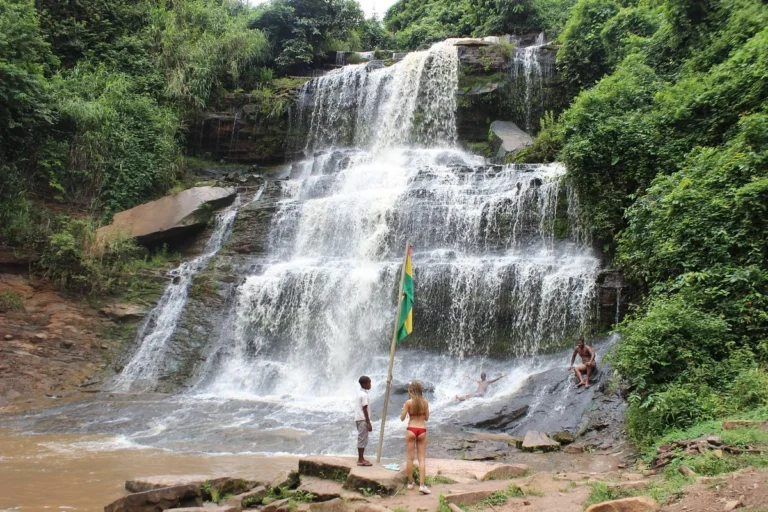
Asenema Falls
A rarely-crowded fall in the Akuapem hills about 90 minutes from Accra — cool, green and perfect for a picnic and a…
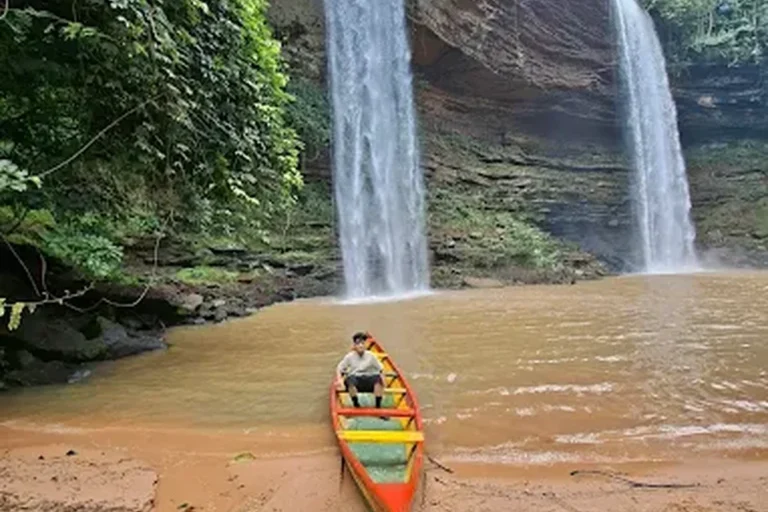
Boti Falls
Twin waterfalls. 1hr from Accra. Combine with Aburi for a full day trip.
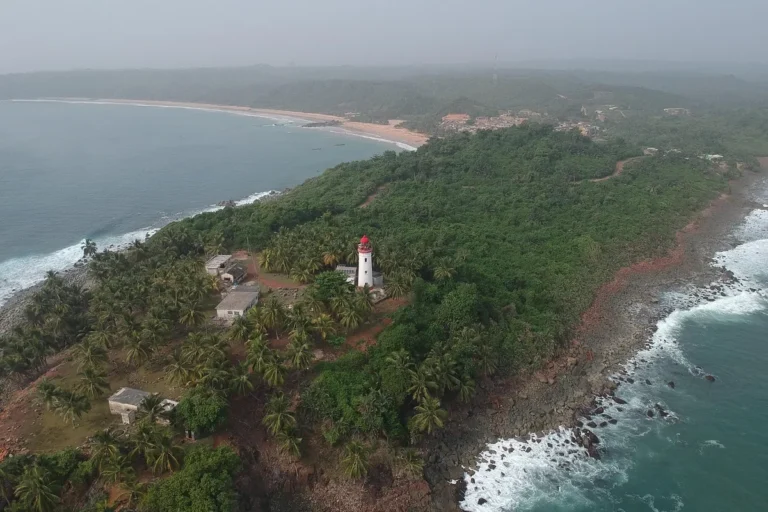
Fuller Falls
A quieter alternative to nearby Kintampo Falls — a scenic multi-tier cascade that's good for a swim.
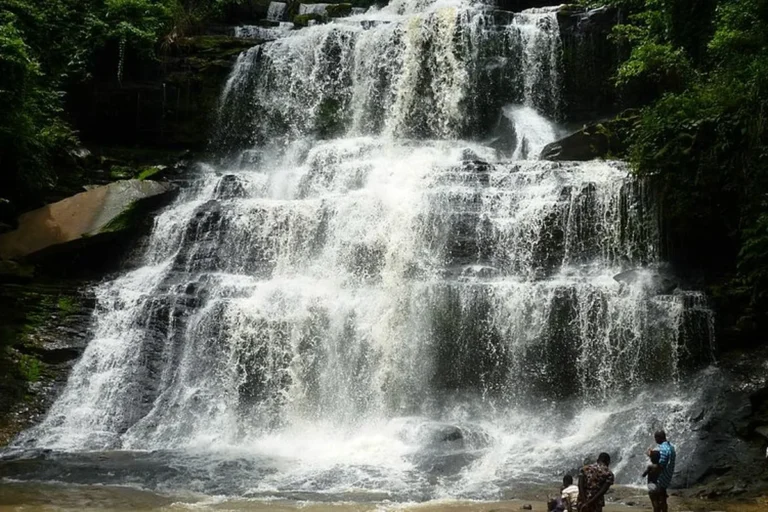
Kintampo Waterfalls
A three-tier waterfall right off the Kumasi–Tamale road — the easiest major falls to reach heading north. Climb the steps to the…
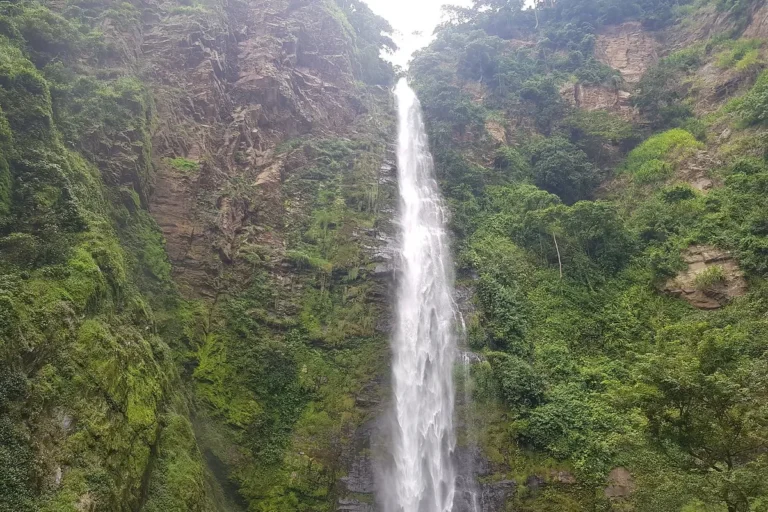
Tagbo Falls
A quiet 60m fall reached by a 45-minute forest hike from Liati Wote — far less crowded than Wli. Best paired with…
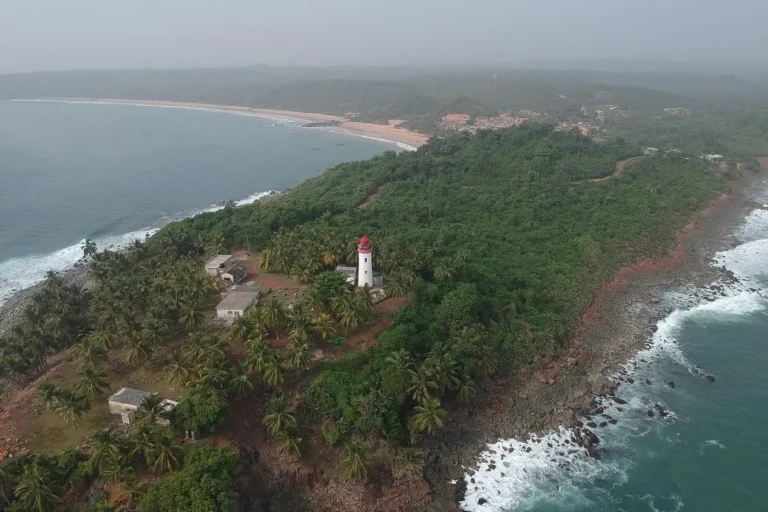
Tsatsadu Falls
A pretty Volta-region cascade near Alavanyo with a cool natural pool and an easy forest walk in.
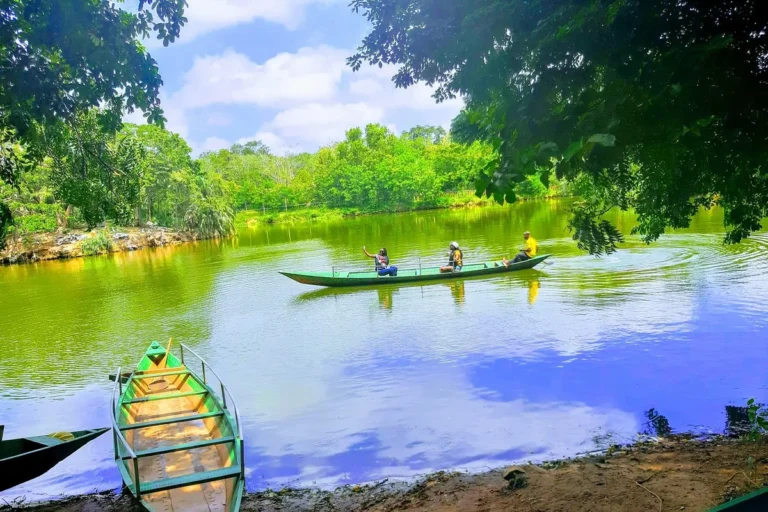
Tsenku Falls
A multi-drop waterfall in the Shai hills near Dodowa, reached on a forest hike from Accra — a refreshing day-trip plunge.
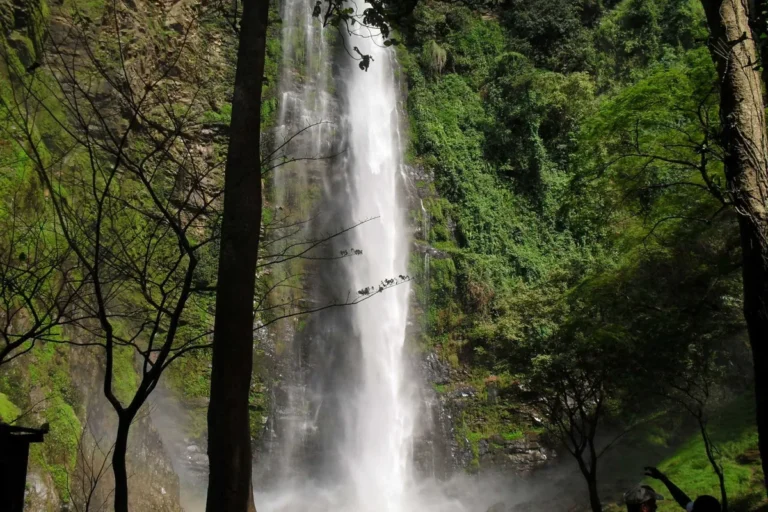
Wli Falls
Tallest waterfall in West Africa. 45-min hike. Rainy season = spectacular.
Tips for visiting Ghana’s waterfalls
- Go in or after the rains (roughly May–October) for the fullest flow; the dry season can leave some falls thin.
- Wear proper shoes — trails can be steep, muddy and rocky.
- Take a local guide where offered; it’s expected, supports the community and you’ll learn the stories.
- Bring swimwear, water and insect repellent, and carry small cash for entry fees.
- Cluster them: Wli + Tagbo + Afadjato in the Volta; Boti + Asenema in the east.
The bottom line
Ghana’s waterfalls are the country’s best-kept natural secret — lead with mighty Wli and the twin Boti, add Kintampo on a cross-country drive, and chase the quieter cascades (Tagbo, Asenema, Tsenku) when you want green and solitude. Time your trip to the rains, wear good shoes, and take a guide. Plan it all with our itinerary, best time to visit and things to do guides.