The Central Region packs the most emotionally powerful few hours in Ghana into a short stretch of coast. This is castle country — where the whitewashed slave forts of Cape Coast and Elmina stand above the surf, where the Door of No Return opens onto the Atlantic, and where, just inland, Kakum’s rainforest canopy walk offers a complete change of mood. Add calm swimming beaches, fishing-town forts and Ghana’s most colourful festivals, and the Central Region earns its place on almost every itinerary. Here’s how to experience it.
The vibe
History, heritage and the sea. The Central Region is compact and coastal, anchored by the twin castle towns of Cape Coast and Elmina, with the Kakum rainforest a short drive inland and a string of beaches and forts along the shore. For diaspora travellers retracing ancestral routes, it’s the heart of the journey; for everyone, it’s the most moving and important region in the country.
Top things to do in the Central Region
| Sight | What it is |
|---|---|
| Cape Coast Castle | UNESCO slave-trade fortress & museum; Door of No Return |
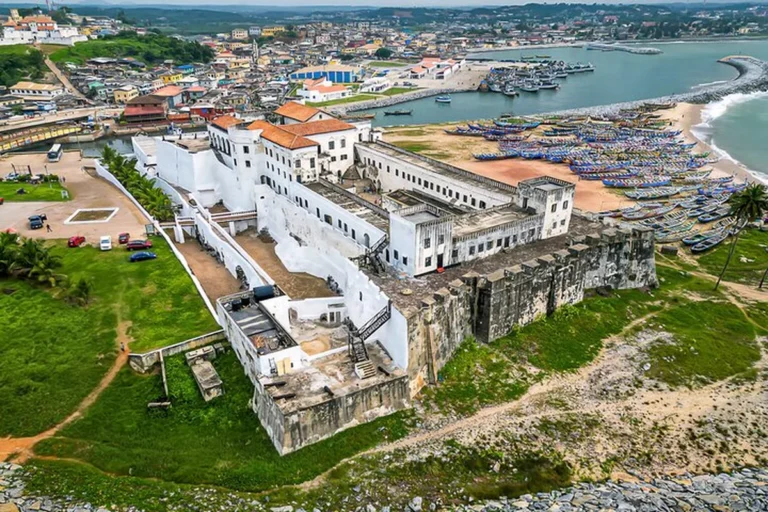
| Elmina Castle | Oldest European building in sub-Saharan Africa (1482) |
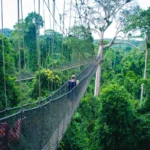
| Kakum National Park | 40m-high rainforest canopy walkway |
| Assin Manso | Slave river & ancestral memorial |
| Brenu / Anomabo beaches | Calm, swimmable central-coast sands |
| Posuban shrines & forts | Asafo company shrines; coastal forts |
For the castle towns in depth, see our Cape Coast guide; for the sands, our Ghana beaches guide.
The castles and the slave-trade history
For more than three centuries the forts of this coast were hubs of the transatlantic slave trade. A guided tour of Cape Coast Castle (Swedish-built 1653, later British) takes you through the dungeons, the chapel above them and the Door of No Return; twenty minutes west, Portuguese-built Elmina Castle (1482) tells the same wrenching story from the oldest European structure south of the Sahara. Inland at Assin Manso, the “Slave River” marks where captives were given a final wash before the coast — a place of pilgrimage in the spirit of the Year of Return. Go with a guide and leave emotional room.
Kakum and the beaches
Balance the weight with nature. Kakum National Park, 30–45 minutes inland, offers its famous canopy walkway 40m above the rainforest — go early to beat heat and crowds. Then exhale on the coast: Brenu Akyinim is a long, calm, swimmable stretch near Elmina, and Anomabo a historic fishing town with wide sands and a resort.
Festivals
The Central Region throws some of Ghana’s best festivals: Fetu Afahye (Cape Coast, September), Aboakyer (Winneba’s deer hunt, May) and the Bakatue fishing festival (Elmina, July). Time a visit to one and the coast comes alive — see our festivals guide.
When to go & getting there
Visit in the dry season (November to March) for the most comfortable conditions (our best time guide). Cape Coast is around 150km / 2.5–3 hours west of Accra by hired car, driver or intercity bus. An overnight beats a day trip — it lets you do the castles, Kakum and a beach without rushing.
Explore the Central Region’s attractions
Tap any place for the full details, map and visitor tips.
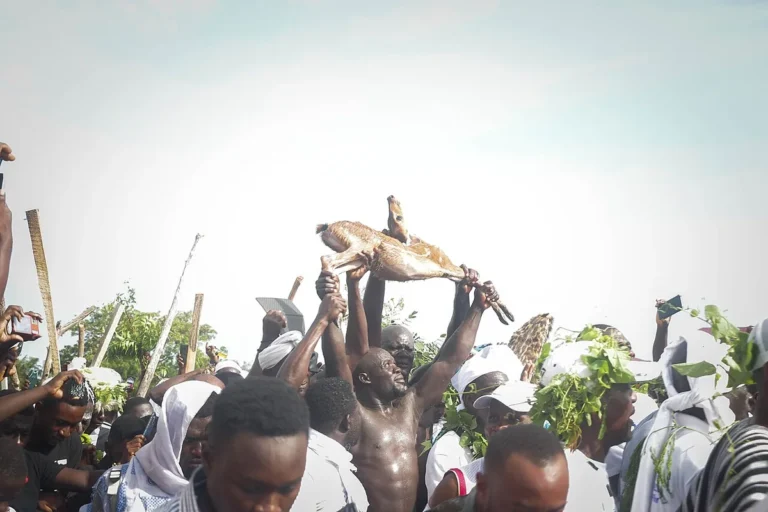
Aboakyer Deer-Hunt Festival
Winneba's deer-hunt festival (May) - two Asafo companies race to catch a live antelope. Colourful and intense.
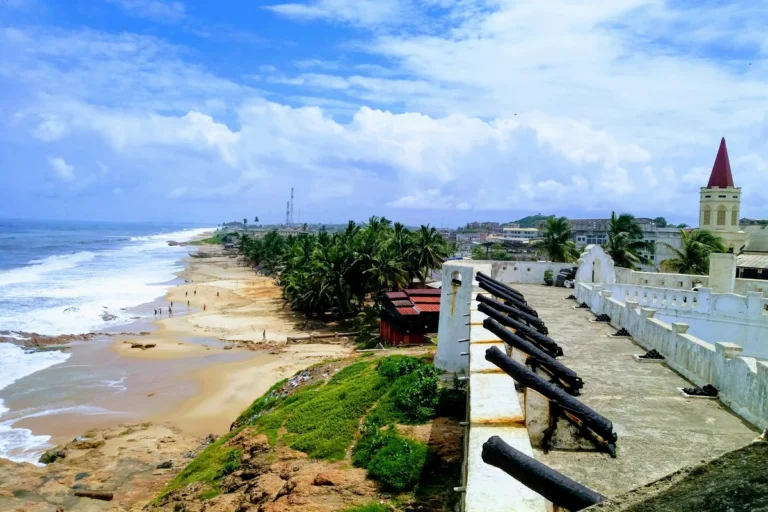
Anomabo Beach
A historic fishing town with a fort and wide sands between Accra and Cape Coast — a relaxed base on the heritage…
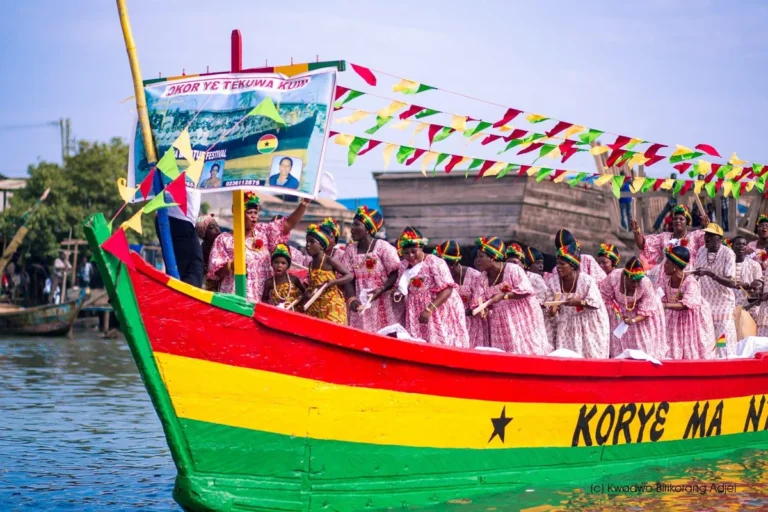
Bakatue Festival
Elmina's lagoon festival (July) - net-casting, a regatta and a durbar marking the fishing season.
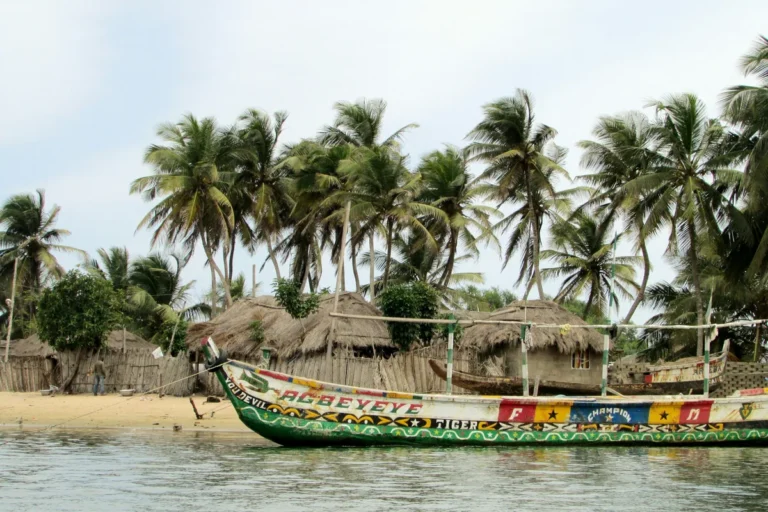
Brenu Akyinim Beach
A long, calm, swimmable stretch west of Elmina — one of the best places on the central coast to actually get in…
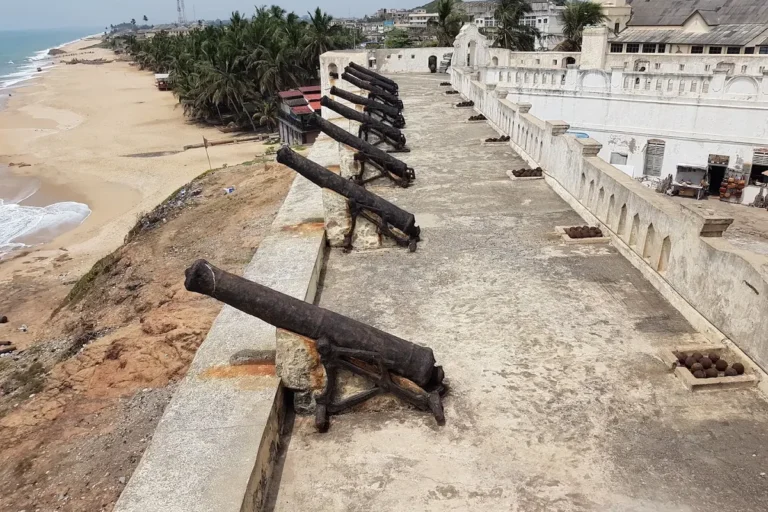
Cape Coast Castle
Arrive early. Hire official guide only. Very emotional — prepare visitors.
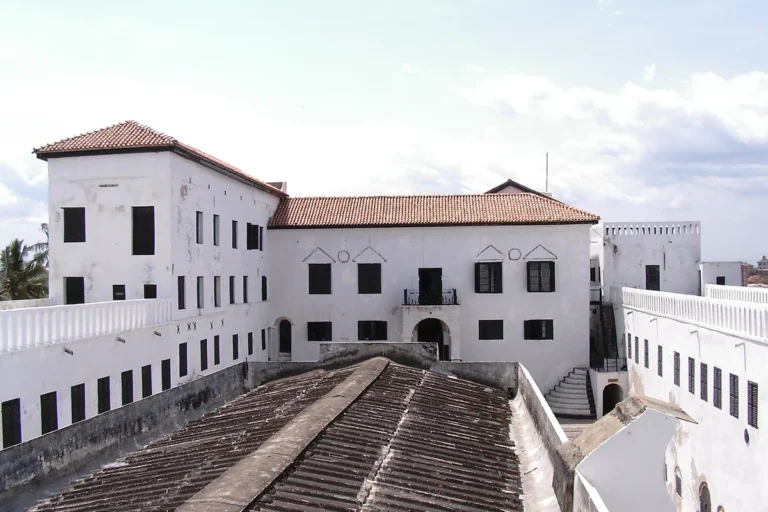
Elmina Castle
Smaller than Cape Coast but arguably more haunting. Fishing harbour next door.
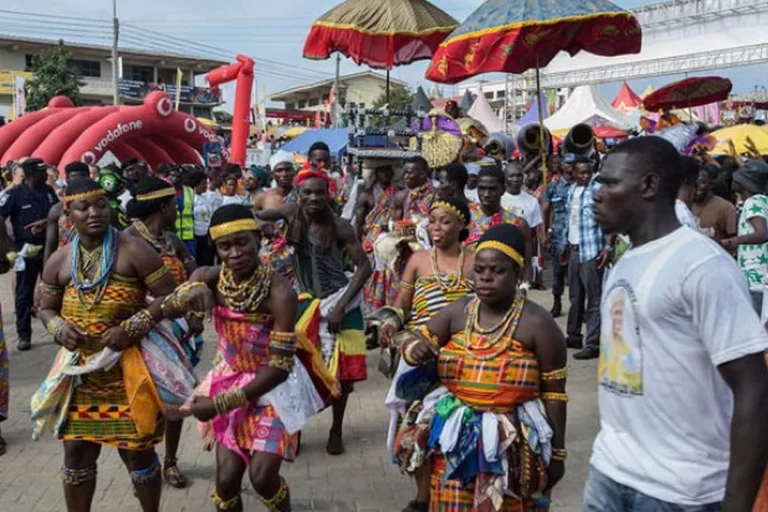
Fetu Afahye
Cape Coast's big September durbar - chiefs in palanquins, Asafo companies and a sea of colour.
Fort St Jago, Elmina
A hilltop fort overlooking Elmina Castle and harbour, with the best views over the historic town.
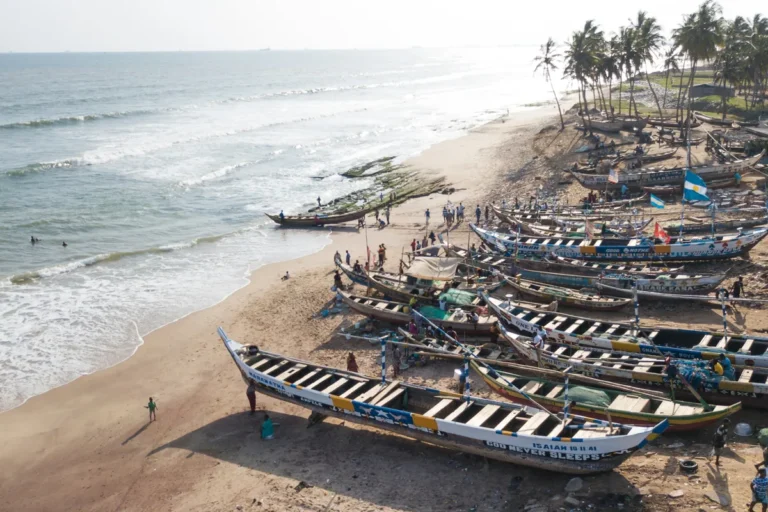
Gomoa Fetteh (White Sands)
A resort beach between Kasoa and Winneba with calmer, cleaner swimming and occasional dolphin sightings offshore.
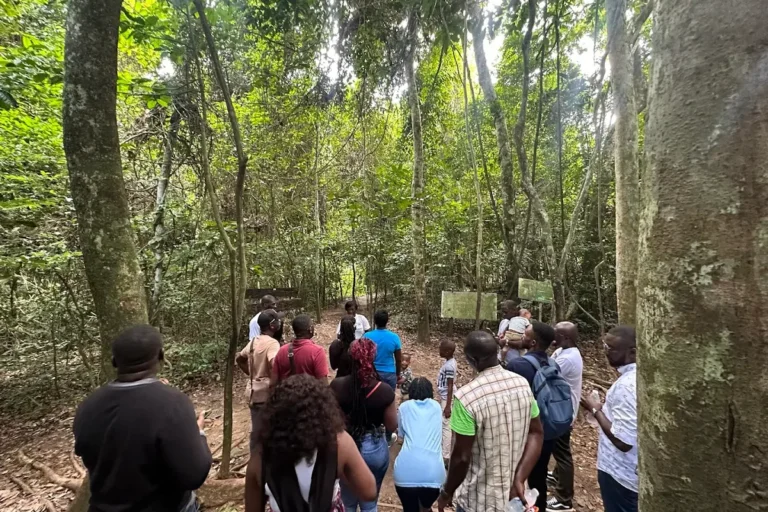
Kakum Canopy Walk
Book first slot (6am). 30m high. 7 bridges. Worth every GHS.
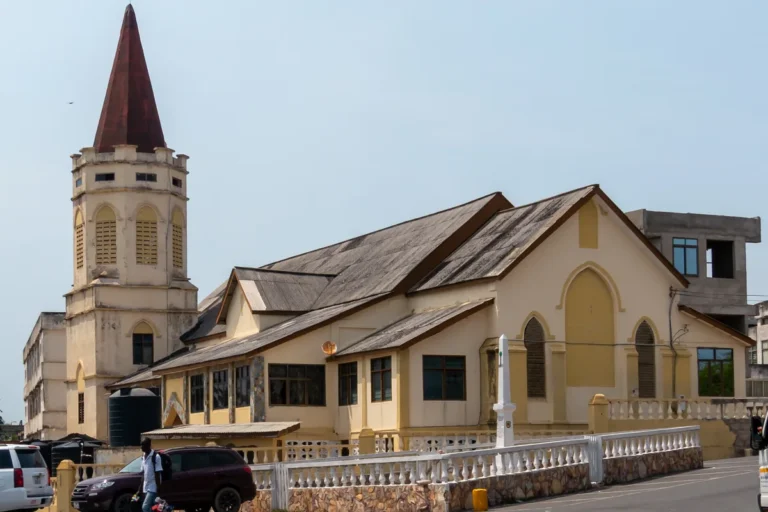
St Peter’s Cathedral, Cape Coast
Cape Coast's colonial-era Anglican cathedral — easy to combine with the castle and Elmina.
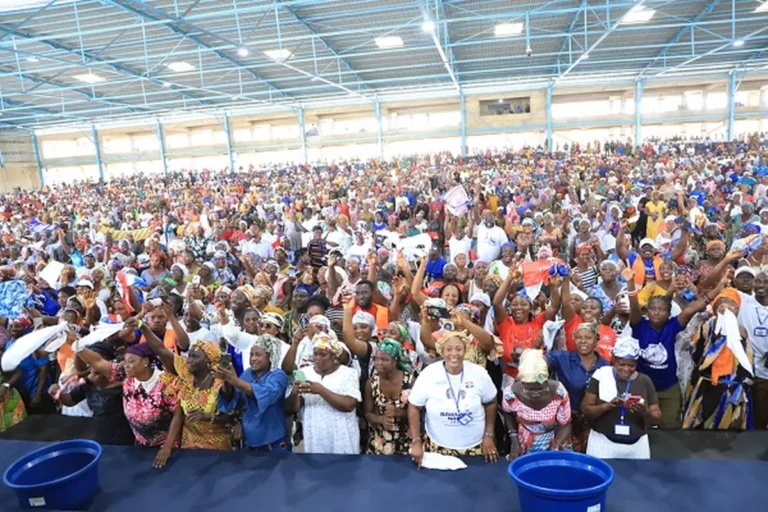
Winneba Prayer Camp
A syncretic healing prayer camp of the Twelve Apostles Church — an extraordinary, sensitive cultural visit.
Where to stay
Cape Coast and Elmina have a good spread of places to sleep, from beachfront resorts to friendly guesthouses, several with sea views and pools to decompress in after the castles. For a quieter beach base, the resorts at Brenu Akyinim and Anomabo are lovely. Staying a night here, rather than day-tripping, lets you experience the coast at a gentler, more reflective pace.
A suggested 2 days
- Day 1 — the castles: Cape Coast Castle in the morning, lunch by the sea, Elmina Castle and the fishing harbour in the afternoon.
- Day 2 — forest & coast: an early canopy walk at Kakum, then a relaxed afternoon at Brenu Akyinim beach — or Assin Manso on the drive back toward Accra.
What to bring
Comfortable closed shoes for uneven castle stone and the Kakum trail, water and sun cover, cash in small notes for entries and guides, and a little emotional space — the dungeons and Door of No Return are profoundly moving.
The bottom line
The Central Region is the emotional core of a Ghana trip. Tour Cape Coast and Elmina with a guide, balance the history with Kakum’s canopy walk and a calm beach, and — if you’re tracing roots — add Assin Manso. Stay overnight rather than rushing, come in the dry season, and give the history the time it deserves. Build it into your route with our itinerary and things to do guides.