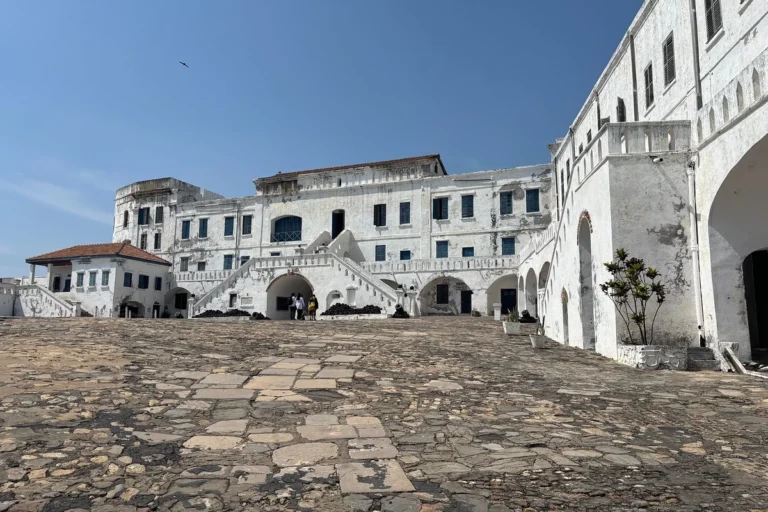
Strung along Ghana’s coast like grim white pearls are some thirty surviving castles and forts — the largest collection of European fortifications in Africa, and the starkest monuments anywhere to the transatlantic slave trade. Built and fought over by the Portuguese, Dutch, British, Danes, Swedes and Germans, they range from the mighty UNESCO castles of Cape Coast and Elmina to lonely clifftop ruins half-claimed by the sea. Visiting them is the most powerful, important thing you can do in Ghana. Here’s a guide to the key castles and forts, what they mean, and how to see them respectfully.
A coast of fortresses
From the late 1400s, European powers built trading posts along the “Gold Coast” — first for gold, later, devastatingly, for people. Captives were held in lightless dungeons before being forced through the Door of No Return onto ships bound for the Americas. Today these forts are UNESCO World Heritage Sites and places of pilgrimage, especially for the diaspora reconnecting with their roots in the spirit of the Year of Return. Most are on or near the central coast around Cape Coast and Elmina, with others scattered east to Keta and west to Axim.
The major castles
| Castle / fort | Where | Note |
|---|---|---|
| Cape Coast Castle | Cape Coast | UNESCO; museum & Door of No Return |
| Elmina Castle (St George’s) | Elmina | 1482 — oldest European building in sub-Saharan Africa |
| Fort St Jago | Elmina | Hilltop fort with the best views over Elmina |
| Osu Castle (Christiansborg) | Accra | Danish castle, later seat of government |
| Fort Prinzenstein | Keta | Danish slave fort, ruins by the sea |
| Fort San Antonio | Axim | Portuguese, 1515 — one of the oldest |
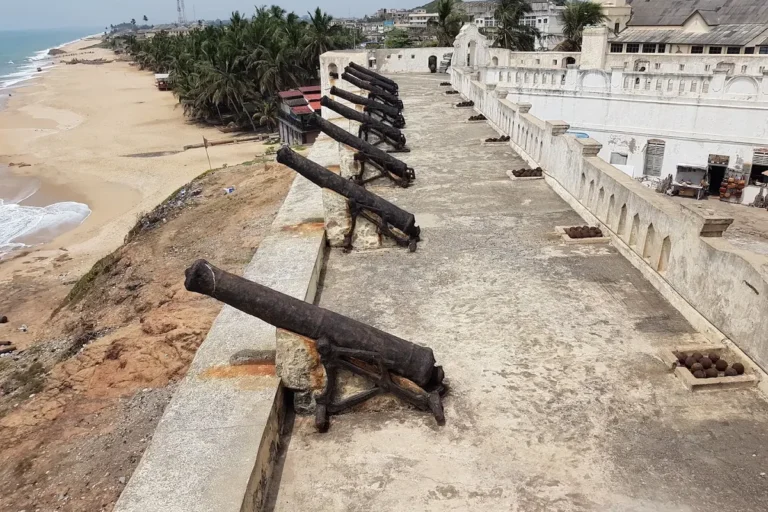
| Fort Metal Cross | Dixcove | British clifftop fort beside Busua |
Cape Coast & Elmina — the essential two
If you see only two, make them these. Cape Coast Castle (Swedish-built 1653, later British) has the main museum and the most affecting guided tour through dungeons, governor’s quarters and the Door of No Return. Twenty minutes west, Portuguese-built Elmina Castle (1482) is the oldest European structure south of the Sahara, set above a vibrant fishing harbour. Take the guided tour at both; they’re 20 minutes apart and usually done together. See our Cape Coast guide.
The wider chain of forts
Beyond the big two, the coast is studded with forts worth seeking out: Fort St Jago on the hill above Elmina (great views), the Danish Osu Castle in Accra, the haunting seaside ruins of Fort Prinzenstein at Keta in the east, and in the west the venerable Fort San Antonio at Axim and clifftop Fort Metal Cross at Dixcove. In Accra’s Jamestown, Ussher and James Forts anchor the old town. Each adds a chapter to the same vast, sobering story.
Browse Ghana’s castles & forts
Tap any fort for the full details, map and visitor tips.
Cape Coast Castle
Arrive early. Hire official guide only. Very emotional — prepare visitors.
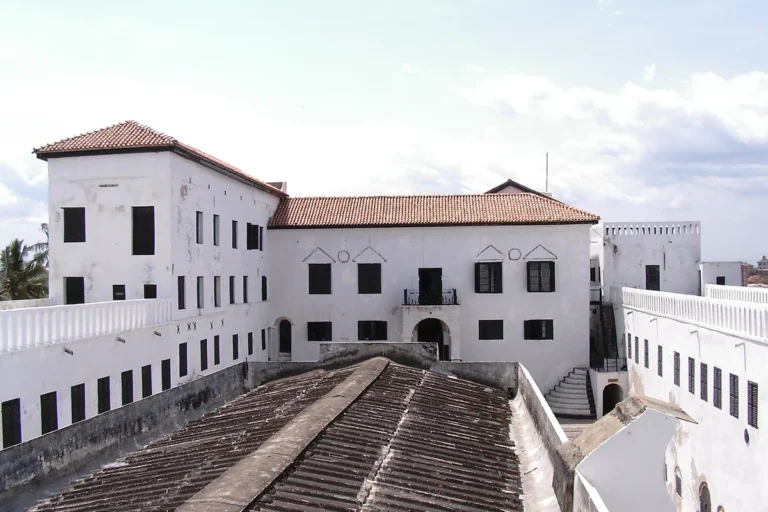
Elmina Castle
Smaller than Cape Coast but arguably more haunting. Fishing harbour next door.
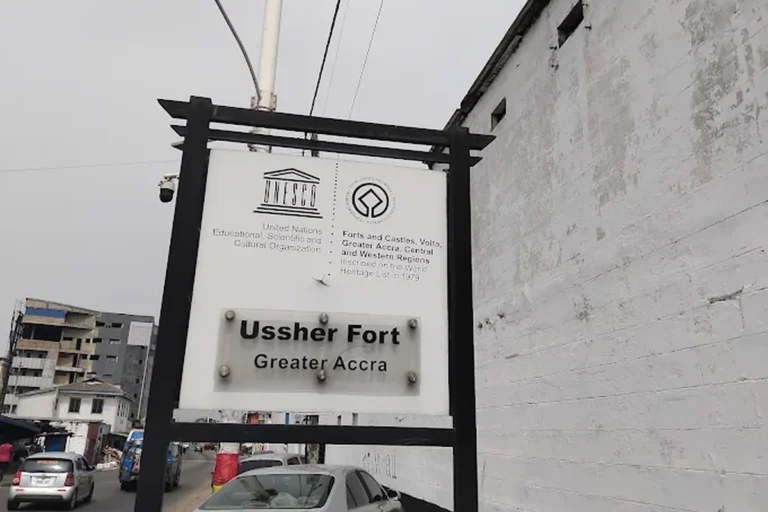
Fort James (Fort Ussher)
Built 1673 English, James Island. Oldest fort in Accra. Jamestown circuit: lighthouse + boxing gym + Jamestown Coffee + Fort James =…
Fort Metal Cross, Dixcove
A British-built clifftop fort above the fishing town of Dixcove, beside Busua.
Fort Prinzenstein, Keta
A Danish slave fort on the far-eastern Keta coast, its haunting ruins half-claimed by the sea.
Fort San Antonio, Axim
A Portuguese-built fort (1515) above Axim's beaches in the far west — one of the oldest on the coast.
Fort St Jago, Elmina
A hilltop fort overlooking Elmina Castle and harbour, with the best views over the historic town.
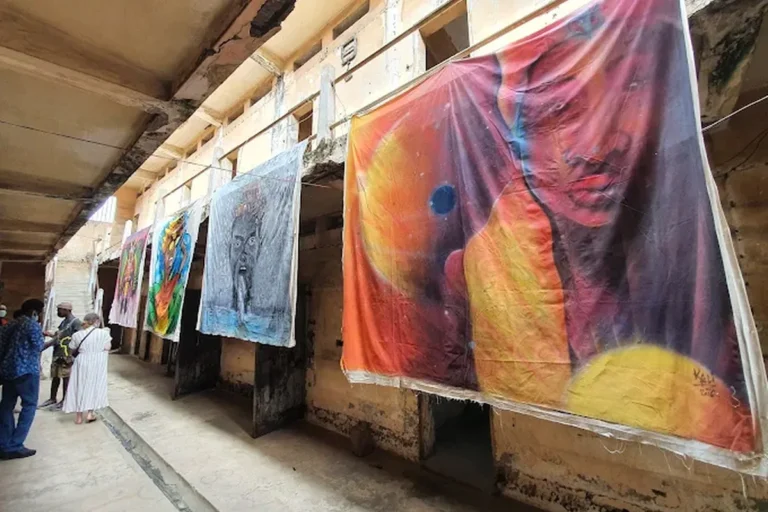
Fort Ussher (Fort Crevecoeur)
Dutch fort built 1649, adjacent to Fort James. Two forts faced each other across the harbour. Unrestored but atmospheric.
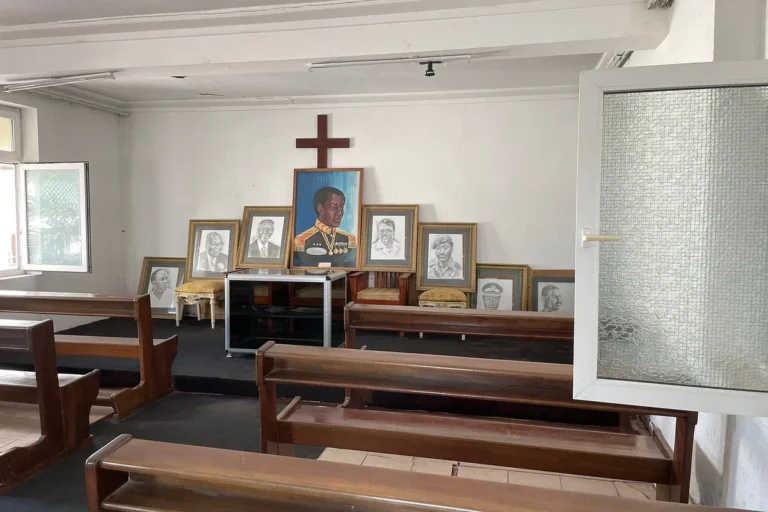
Osu Castle (Christiansborg)
A 17th-century Danish slave-trade castle in Accra that later served as Ghana's seat of government.
Visiting respectfully
- Always take the guided tour — the history only lands fully with a knowledgeable guide.
- Prepare emotionally. The dungeons and Door of No Return are profoundly moving; leave space in your day.
- Be respectful — these are places of remembrance, not just photo stops.
- Wear comfortable shoes for uneven stone, and bring water and sun cover.
- Combine wisely: Cape Coast + Elmina + Kakum in two days; add Assin Manso for the ancestral journey.
The bottom line
Ghana’s castles and forts are the emotional heart of any visit — tour Cape Coast and Elmina with a guide, stand at the Door of No Return, and seek out the lonelier forts at Keta, Axim and Dixcove to grasp the full scale of this history. Go thoughtfully, give it time, and it will stay with you long after you leave. Build it into your trip with our Cape Coast, itinerary and things to do guides.