Ghana isn’t a classic safari country — and that’s exactly its charm. Here you track elephants on foot at Mole, walk a rope bridge through the rainforest canopy at Kakum, cruise the Black Volta to wild hippos, and meet monkeys and crocodiles that local taboo has protected for generations. The wildlife is closer, the parks are cheaper and far less crowded than East Africa, and many reserves are community-run. Here’s a guide to Ghana’s national parks and wildlife — where to go, what you’ll see, and when.
Ghana’s parks & wildlife at a glance
| Park / reserve | Region | Star attraction |
|---|---|---|
| Mole National Park | Savannah | Walking safaris & elephants |
| Kakum National Park | Central | Rainforest canopy walkway |
| Wechiau Hippo Sanctuary | Upper West | Wild hippos on the Black Volta |
| Boabeng-Fiema / Tafi Atome | Bono / Volta | Sacred monkeys |
| Ankasa Conservation Area | Western | Pristine rainforest |
| Bui & Kyabobo | Bono / Oti | Wilder, off-trail parks |
Mole National Park — the safari
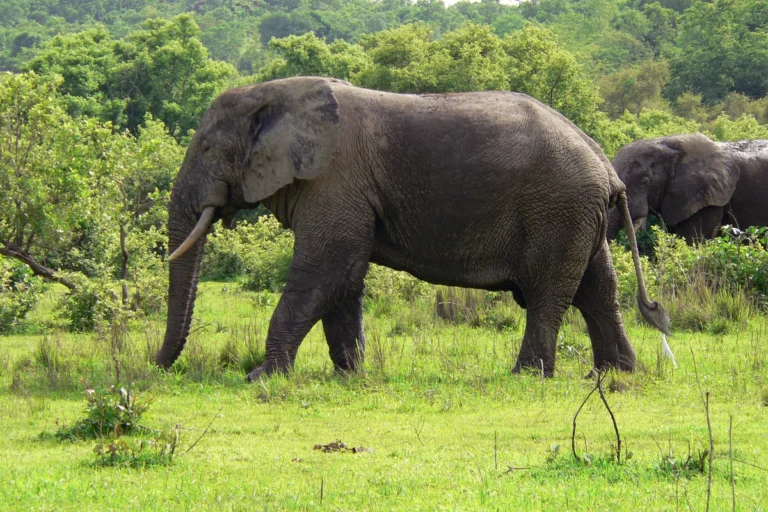
Mole, in the savannah north, is Ghana’s biggest reserve and the reason most people come for wildlife. Its signature is the walking safari: on foot with an armed ranger, closing in on elephants at the waterhole, with antelope, warthogs, baboons and 300+ bird species around you. Lodges on the escarpment overlook the animals. Fly to Tamale to reach it — see our Savannah Region guide.
Kakum National Park — the canopy walk
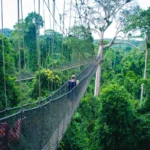
Near Cape Coast, Kakum protects tropical rainforest crossed by a famous canopy walkway — seven rope-and-plank bridges strung 40m above the forest floor. Forest elephants and hundreds of bird species live below, though the walkway itself is the thrill. Go early, and pair it with the castles (our Cape Coast guide).
Hippos, monkeys and sacred wildlife
Some of Ghana’s best encounters are community-run. At the Wechiau Hippo Sanctuary on the Black Volta, river cruises seek out one of the country’s two wild hippo populations. At Boabeng-Fiema (Bono) and Tafi Atome (Volta), sacred monkeys protected for generations roam freely and approach you. And at the Paga Crocodile Pond in the Upper East, you can sit beside a sacred, docile crocodile. These are gentle, ethical, low-key wildlife experiences.
Rainforest and wilder parks
For deeper nature, Ankasa Conservation Area (Western) and Bia National Park (Western North) protect Ghana’s last pristine wet rainforest, home to forest elephants and rare primates. Bui National Park (Bono) guards savannah and hippos on the Black Volta, and remote Kyabobo (Oti) offers mountains and trails on the Togo border. These reward adventurous, self-sufficient travellers. Closer to Accra, Shai Hills has baboons and antelope an hour from the city.
Browse Ghana’s parks & reserves
Tap any park or reserve for the full details, map and visitor tips.

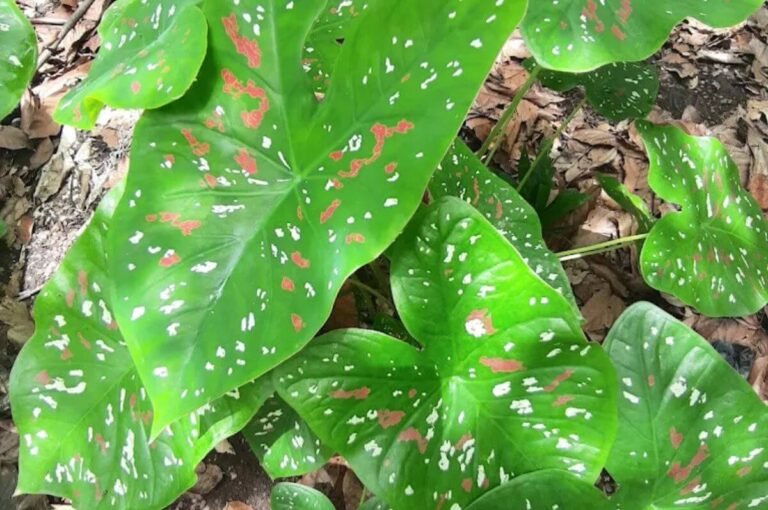
Ankasa Conservation Area
One of Ghana's last pristine wet rainforests in the far west — dense, biodiverse and barely visited, for serious nature lovers.
Bia National Park
A UNESCO biosphere reserve protecting pristine rainforest with forest elephants, monkeys and rare birds.
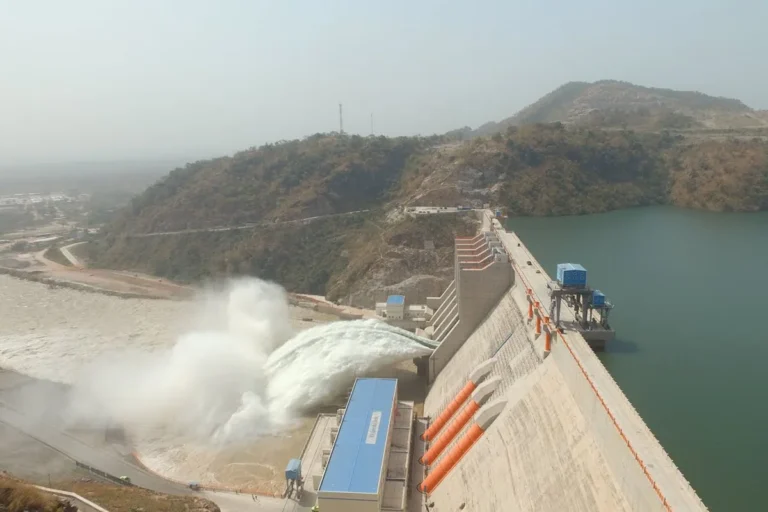
Bui National Park
A wild savannah park on the Black Volta around the Bui Dam, with hippos and antelope — far quieter than Mole.
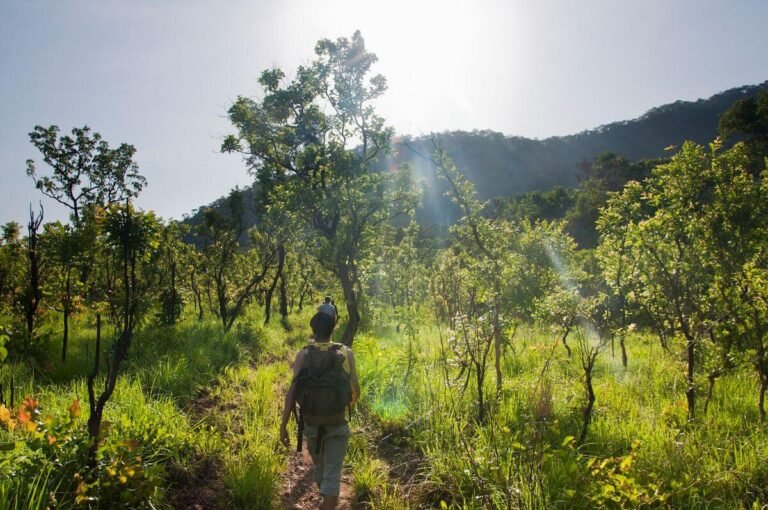
Kyabobo National Park
A rugged mountain-and-forest park near Nkwanta on the Togo border, with trails and a climb up Mount Dzebobo.
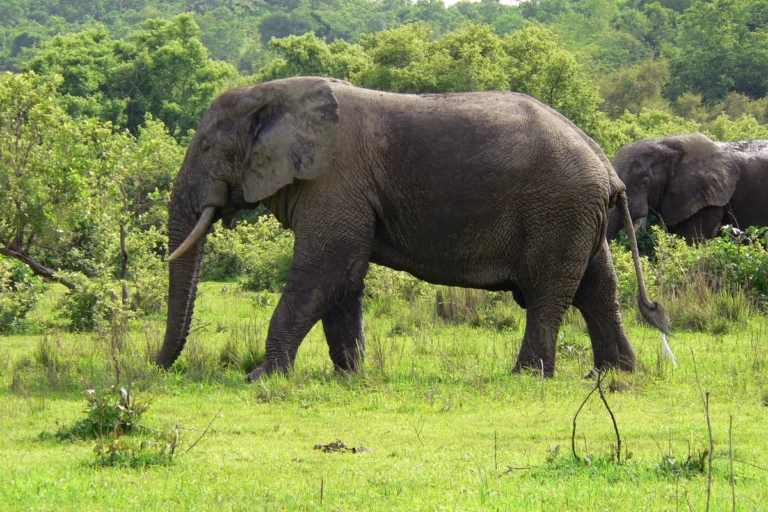
Mole National Park
Walking safari at dawn — elephants come to the watering hole. Book accommodation early.
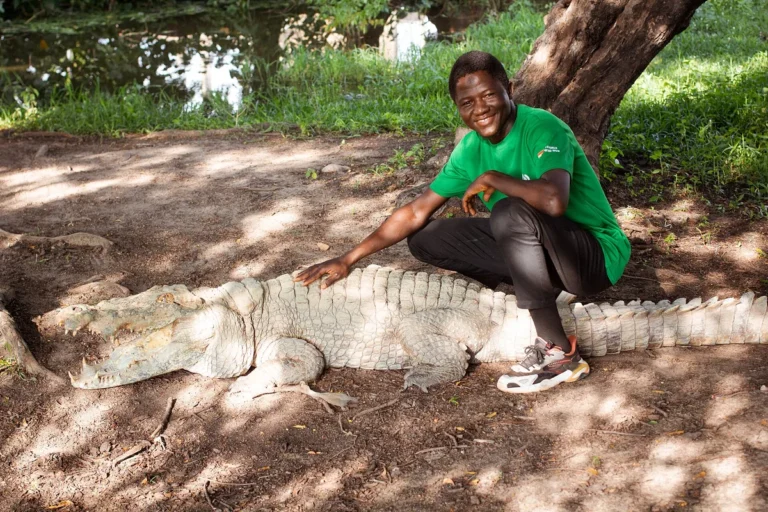
Paga Crocodile Pond
Sacred crocs — sit on them. GHS 20 tip to handler. Nothing like it in West Africa.
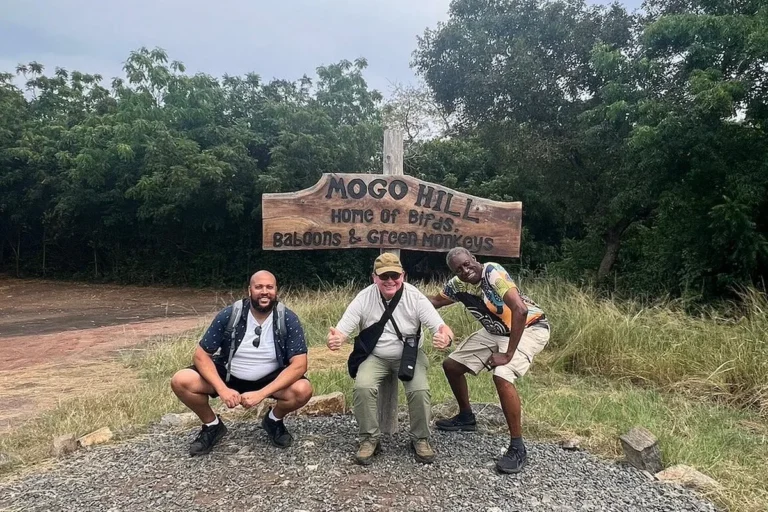
Shai Hills Resource Reserve & Mogo Hill
Ghana's most accessible wildlife + adventure day trip from Accra — 45 minutes east. Two distinct experiences in one reserve: (1) WILDLIFE…
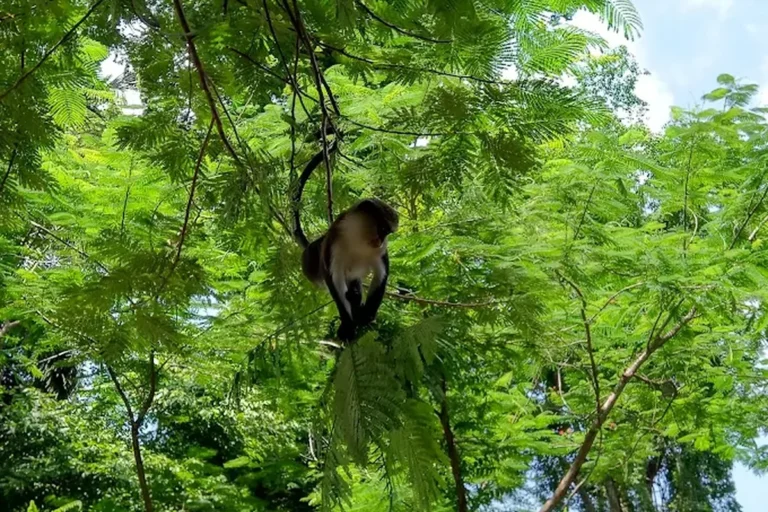
Tafi Atome Monkey Sanctuary
Wild mona monkeys come to you. Community-run. Combine with Wli Falls trip.
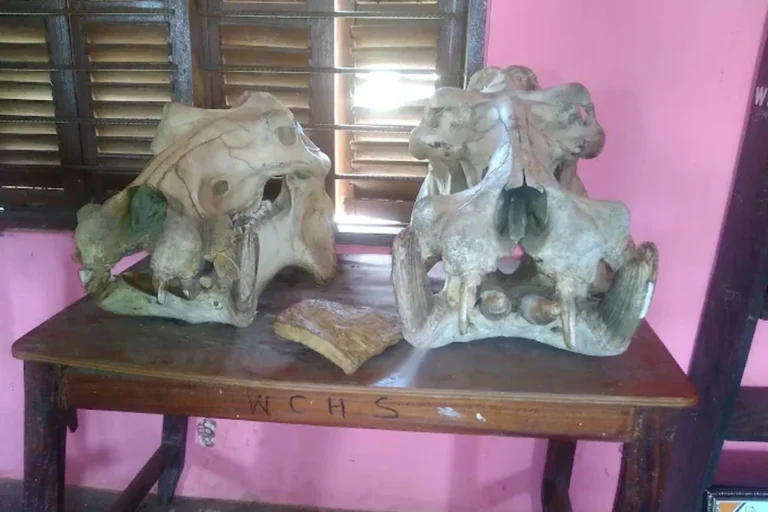
Wechiau Hippo Sanctuary
Canoe with wild hippos on Black Volta River. Community-run. Extraordinary.
When to go & tips
- Dry season (Dec–April) is best for savannah wildlife, when animals gather at waterholes; rainforest parks are green year-round.
- Fly to Tamale for Mole to save a long drive north.
- Book park lodges ahead, especially Mole in the dry season.
- Go early for walks and the Kakum canopy — cooler, and the best wildlife activity.
- Use the official guides/rangers — required at Mole, and they make every visit better.
The bottom line
Ghana’s parks deliver wildlife on a human scale — walk with elephants at Mole, brave the Kakum canopy, cruise for hippos at Wechiau, and meet the sacred monkeys and crocodiles of the north. Add the rainforests of Ankasa and Bia for real adventure. Come in the dry season, fly to the north, and book ahead. Plan it into your route with our itinerary and things to do guides.