Water shapes Ghana more than most visitors realise. The country holds the largest man-made lake on earth by surface area, the only natural lake in the nation — a sacred meteorite crater — and a web of rivers that feed its farms, power its grid and carry its ferries. For travellers, that means lazy lake cruises, swims in a holy crater, sandbar trips where river meets sea, and slow ferry journeys through the heart of the country. Here’s a guide to Ghana’s lakes and rivers, and how to enjoy them.
Ghana’s lakes & rivers at a glance
| Water | What it is | Do |
|---|---|---|
| Lake Volta | The world’s largest man-made lake by area | Dodi Island cruise from Akosombo |
| Lake Bosomtwe | Ghana’s only natural (crater) lake | Swim, paddle, eat fresh fish |
| Volta River & estuary | The great river system; meets the sea at Ada | Sandbar boat trips, kayaking |
| Black Volta | Western border river | Hippo cruises at Wechiau |
Lake Volta — an inland sea
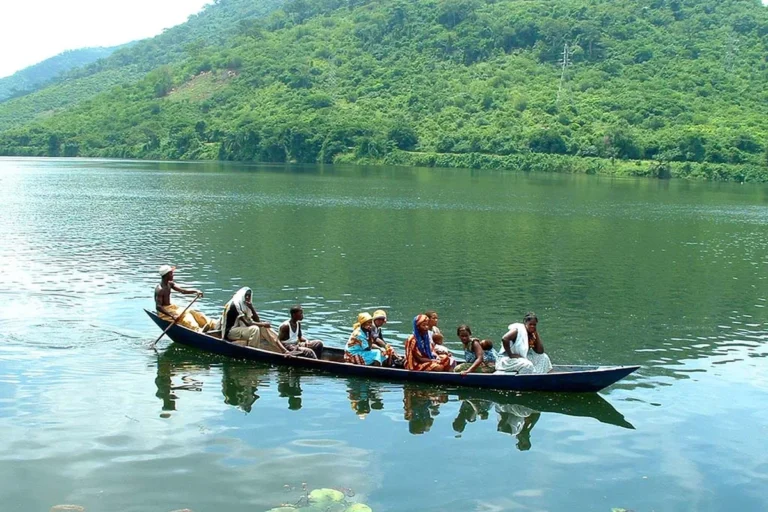
Held back by the Akosombo Dam, Lake Volta is the largest reservoir on earth by surface area, stretching from the Eastern Region deep into the north and generating much of Ghana’s electricity. For visitors, the easy joy is a cruise to Dodi Island from Akosombo — highlife band, dancing and a lazy afternoon on the water — while up north, ferries cross the lake at Kete-Krachi. It’s an easy add-on to an Eastern Region trip.
Lake Bosomtwe — the sacred crater
About 30km southeast of Kumasi, Lake Bosomtwe is Ghana’s only natural lake — a serene circular lake filling a million-year-old meteorite crater, ringed by forested hills and villages. The Asante consider it sacred, and today it’s a beautiful spot to swim, paddle a dugout, eat fresh tilapia and slow right down — the perfect calm counterpoint to busy Kumasi (see our Ashanti Region guide).
Rivers, estuaries and hippos
The Volta River — fed by the White Volta, Black Volta and Oti — is the country’s great waterway, and where it meets the Atlantic at Ada Foah you’ll find sandbar boat trips, kayaking and birdlife (a favourite weekend escape from Accra). On the western border, the Black Volta shelters wild hippos at the community-run Wechiau sanctuary. Other rivers — the Pra, Ankobra, Tano and Densu — thread the forests and farmland of the south.
Browse Ghana’s lakes & rivers
Tap any spot for the full details, map and visitor tips.
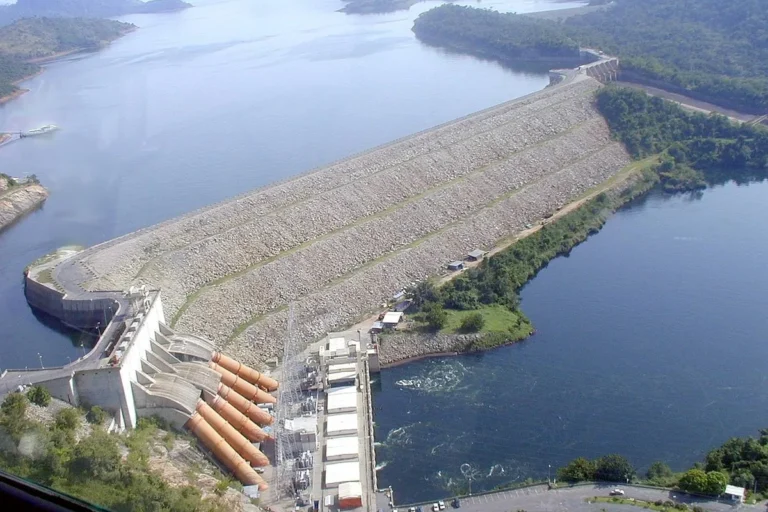
Akosombo Dam & Volta River Authority Boat Cruise
The Akosombo Dam — completed 1965 — created Lake Volta, the world's largest man-made lake by surface area. The VRA (Volta River…
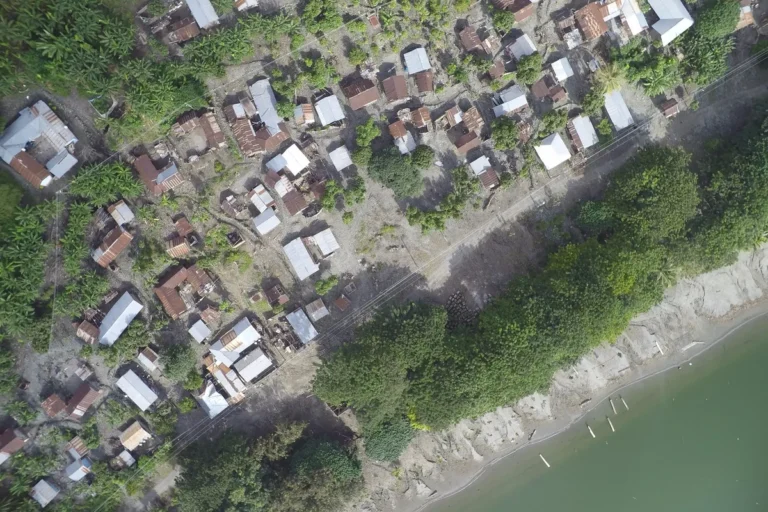
Lake Bosomtwe
Sacred crater lake. No motorboats — traditional paddleboats only. Swim allowed.
Tips for the water
- Lake Volta cruises run from Akosombo — check schedules, as the big boat sails on set days.
- Swim at Bosomtwe, not in still rivers or lakes elsewhere (bilharzia risk); the crater lake and the sea are the safe choices.
- Ada Foah is best as an overnight for the sandbar trips and sunsets.
- For hippos, head to Wechiau on the Black Volta (Upper West) — morning and evening cruises are best.
- Carry small cash for boat fees and guides.
The bottom line
Ghana’s waters offer some of its most relaxing days — cruise Lake Volta to Dodi Island, swim the sacred crater of Lake Bosomtwe, drift the Volta estuary at Ada, and seek hippos on the Black Volta. They’re easy add-ons to the Eastern, Ashanti and Volta regions, and a gentle change of pace from castles and cities. Plan them in with our itinerary and things to do guides.