Northern Ghana is a different country from the coast — hotter, drier, flatter and slower, with a Sahelian rhythm and a deep Islamic heritage. At its centre is Tamale, Ghana’s third-largest city and the gateway to everything in the north: the savannah, the old mud mosques, the Dagbon kingdom’s drumming festivals, and (just over the regional line) the elephants of Mole. The Northern Region rewards travellers who want something rawer and more remote than the south. Here’s what to see, when to go, and how to reach it.
The vibe
Wide, dusty and unhurried, with a strong Muslim culture and the proud traditions of the Dagomba people. The Northern Region centres on Tamale — a flat, fast-growing city of motorbikes, markets and mosques — and spreads across savannah dotted with shea trees and farming villages. It’s the cultural and transport hub of the whole north, and the launch point for safari country.
Top things to do in the Northern Region
| Sight | What it is |
|---|---|
| Tamale Central Mosque & market | The bustling heart of the city |
| Tamale Cultural Centre | Crafts, drumming and Dagbon culture |
| Mole National Park | Ghana’s safari (now in neighbouring Savannah Region, reached via Tamale) |
| Larabanga Mosque | Ancient mud-and-stick mosque near Mole |
| Damba & Bugum festivals | Dagbon drumming and the northern fire festival |
Tamale: the hub of the north
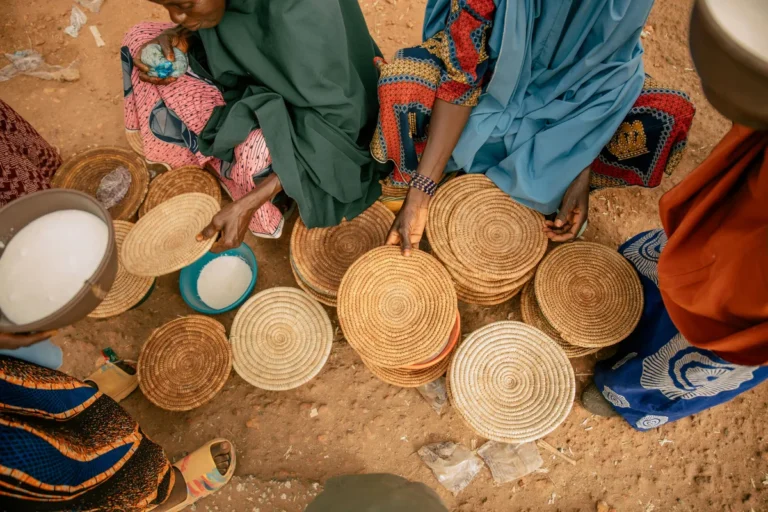
Tamale is where every northern trip begins. It has a major airport (the short flight from Accra saves a brutal 10–12 hour drive), a big central mosque and market, and a Cultural Centre that’s the best place to encounter Dagbon drumming, smock-weaving and crafts. It’s not a sightseeing city so much as a friendly, functional base — spend a night, eat well, soak up the slower pace, and push on.
The gateway to safari country
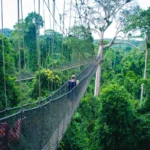
The north’s biggest draws — Mole National Park and the ancient Larabanga Mosque — technically sit just over the line in the newer Savannah Region, but they’re reached through the Northern Region via Tamale, so most travellers treat them as one trip. Fly to Tamale, then transfer (about 3–4 hours) to Mole for a walking safari with elephants. See our national parks guide for the safari detail.
Culture and festivals
The Northern Region’s festivals are spectacular. Damba celebrates the Dagbon kingdom with horse-riding chiefs, drumming and durbars, while the Bugum (Fire) Festival lights up the night with torch-lit processions to mark the Islamic new year. Time a visit to either and you’ll see the north at full voltage — check dates in our festivals guide.
When to go
Visit in the dry season (November to April) — it’s by far the best for wildlife at Mole, when animals gather at the waterholes. The harmattan (Dec–Feb) brings cooler nights and dusty days. Avoid the peak of the rains, when some roads turn difficult. See our best time to visit guide.
Getting there and around
Fly to Tamale from Accra (about an hour) — it’s the single best decision for a northern trip, saving a full day each way versus driving. From Tamale, hire a vehicle or join a tour for Mole and the surrounding sights; distances are long and public transport is slow, so a driver or organised trip pays off.
Where to stay
Tamale has a good range of hotels and guesthouses for a comfortable overnight before or after the bush. Out at Mole, the lodges on the escarpment overlook the waterholes — worth booking ahead, as options are limited and fill up in the dry season.
Explore the Northern Region’s attractions
Tap any place for the full details, map and visitor tips.
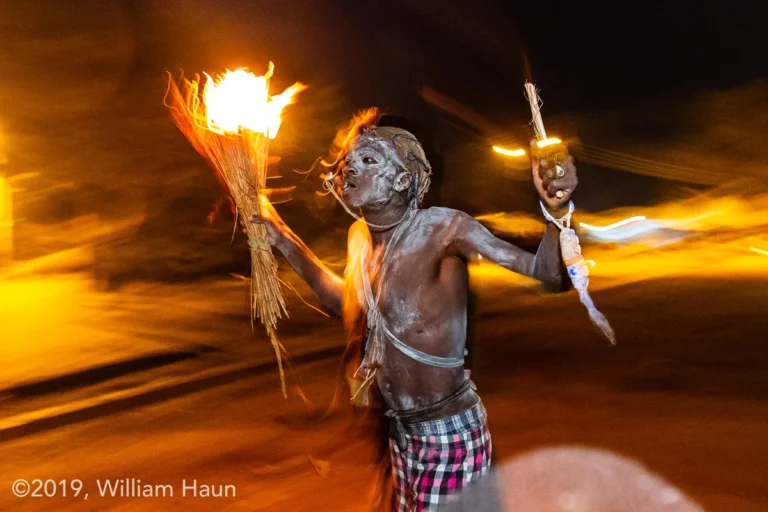
Bugum (Fire) Festival
The northern fire festival - torch-lit night processions marking the Islamic new year. Dramatic after dark.
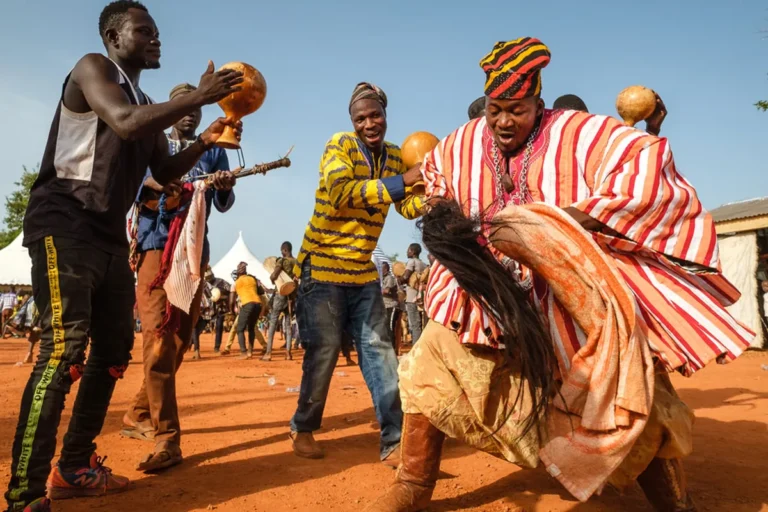
Damba Festival
A northern festival (date varies) - horse-riding chiefs, drumming and durbars in Tamale and across the north.
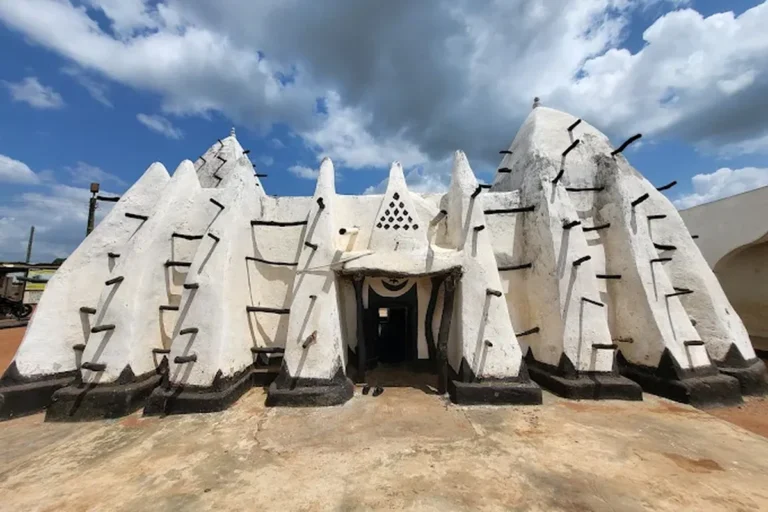
Larabanga Mud Mosque
Oldest mosque in West Africa. Remove shoes. Small donation expected.
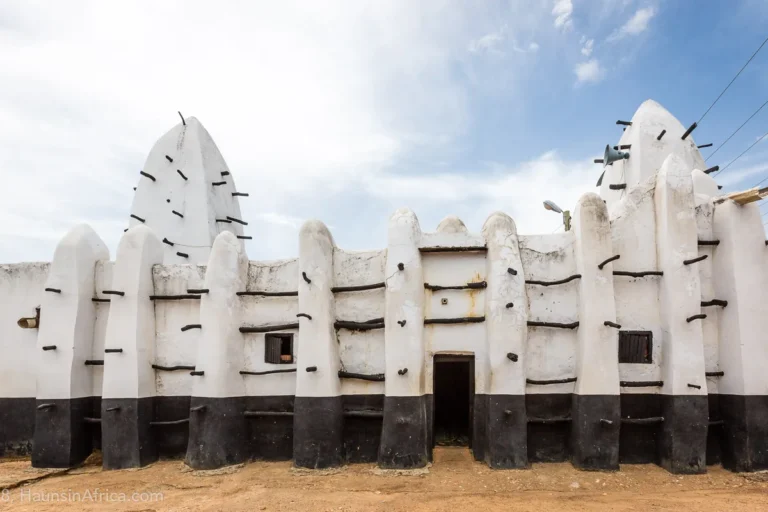
Maluwe Mosque
A centuries-old mud-brick mosque on the road to Bole, in the same Sudanic tradition as Larabanga.
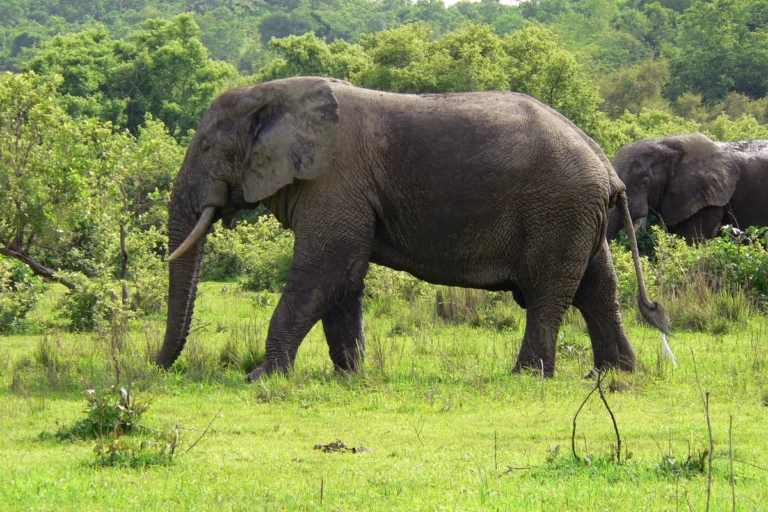
Mole National Park
Walking safari at dawn — elephants come to the watering hole. Book accommodation early.
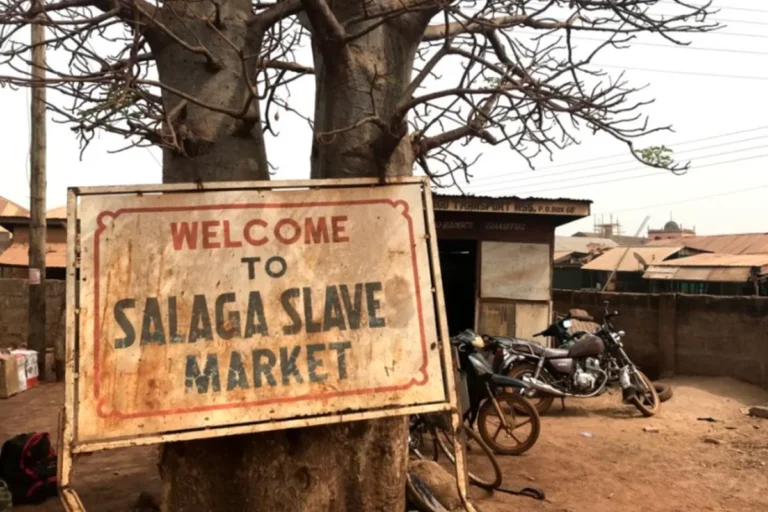
Salaga Slave Market Ruins
One of West Africa's largest inland slave markets — largely forgotten, rarely visited.
The bottom line
The Northern Region is Ghana’s gateway to the wild north — base yourself in Tamale, soak up the Sahelian, Islamic culture and the Dagbon drumming, and use it to reach Mole’s elephants and the Larabanga mosque. Fly up to save a day, come in the dry season for the wildlife, and give it 2–3 days as part of a 10-to-14-day trip. Plan it with our itinerary and national parks guides.