Deciding when to visit Ghana is really a series of small trade-offs — weather against crowds, festivals against prices, easy roads against empty trails. There is no single “best” month that suits everyone, but there is a best month for you once you know what you’re optimising for. This guide breaks down Ghana’s climate, walks you through all twelve months, and then matches the timing to what you actually want from the trip — wildlife, festivals, beaches, budget or the big December homecoming.
Quick answer: when is the best time to visit Ghana?
For most first-time visitors, the sweet spot is November to March — Ghana’s dry season, when travel is easiest, the coast is comfortable and wildlife gathers at Mole’s waterholes. January is the single best all-round month: dry, sunny and just after the December festival rush, so prices have eased. If your priority is energy and events, come in December for Detty December (and pay peak prices). If it’s budget and green landscapes, the April–October rainy season is quieter and cheaper than its reputation suggests.
Understanding Ghana’s climate
Ghana sits just north of the equator, so it’s warm year-round — daytime temperatures mostly hover between 25°C and 33°C. What changes through the year isn’t really temperature; it’s rain and humidity. And crucially, the country isn’t one climate: the coast and south (Accra, Cape Coast, Kumasi) are more humid with two rainy peaks, while the north (Tamale, Mole, the Upper regions) is hotter, drier and has a single, later rainy season. Forget spring and autumn — Ghana runs on three overlapping rhythms instead.
| Season | Months | Weather | Crowds & prices | Best for |
|---|---|---|---|---|
| Dry season | Nov–Mar | Warm, sunny, low rain; humid by March | High (peaks in Dec) | First-timers, wildlife, the coast, festivals |
| Rainy season | Apr–Oct | Hot, humid, short heavy downpours; lush | Low (cheapest) | Budget travel, green hills & waterfalls, fewer crowds |
| Harmattan | Dec–Feb | Dry, dusty Saharan wind; hazy skies, cooler nights | Overlaps peak season | Cooler evenings (but hazy photos), strongest in the north |
The dry season (November–March): the easy, lively window
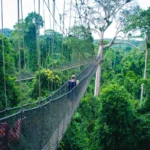
This is when most people should come, and for good reason. Rain is rare, roads are firm, and the headline attractions — the coastal castles, Kakum’s canopy walk, Kumasi’s markets — are at their most comfortable. It’s also the best wildlife window: from December to March the bush dries out and elephants and antelope cluster around the shrinking waterholes at Mole National Park, making sightings far easier.
The catch is December. It’s gloriously dry and electric, but it’s also the most expensive and crowded month of the year as the diaspora returns home en masse. If you want the dry-season ease without the December premium, aim for January or February — you get the same great weather at noticeably calmer prices.
The rainy season (April–October): green, cheap and underrated
Don’t write the rains off. Ghanaian rain typically falls as sharp, dramatic bursts — often overnight or in a heavy afternoon hour — rather than the all-day grey of a European winter. In exchange you get vivid green hills, waterfalls in the Volta region at full thunder, the lowest flight and hotel prices of the year, and attractions you’ll often have to yourself.
The wettest stretch on the coast is usually May and June, with a briefer second peak around September–October. Sandwiched between them, August brings a short “little dry season” on the coast plus two of the country’s best cultural events (Homowo and the Chale Wote street-art festival). Pack a light rain layer, build buffer time into travel days for muddy roads, and the rainy season rewards you handsomely.
Harmattan (December–February): the dusty wildcard
Layered on top of the dry season is the harmattan — a dry, dusty wind that blows south off the Sahara from roughly December to February. It hazes the sky to a milky white, drops night-time temperatures pleasantly, and dries out skin and lips. It’s most pronounced in the north, milder on the coast. Two practical effects: bring lip balm and moisturiser, and don’t expect crisp blue-sky photos on the haziest days.
Ghana month by month
Here’s the at-a-glance verdict for every month (weather notes reflect the south/coast; the north is hotter and drier):
| Month | Weather | Crowds & price | Key events | Verdict |
|---|---|---|---|---|
| January | Dry, sunny, possible harmattan haze | High but easing | Peak Mole wildlife | ★ Best overall |
| February | Dry, getting hot | Moderate–high | Great wildlife & coast | Excellent |
| March | Hot, humidity building | Moderate | Last easy dry month | Good |
| April | Hot, humid, first rains | Low | — | Shoulder, cheaper |
| May | Wet, lush | Low | Aboakyer (Winneba) | Green & quiet |
| June | Wettest on the coast | Lowest | — | Cheapest; slow roads |
| July | Rain easing | Low | — | Quiet, green |
| August | Short coastal dry spell | Moderate | Homowo, Chale Wote | Cultural highlight |
| September | Second rain peak; harvests | Low | Harvest festivals; Fetu Afahye | Shoulder sweet spot |
| October | Rains tapering, green | Low | — | Underrated |
| November | Dry season opens, comfortable | Rising | Hogbetsotso | Great |
| December | Dry, hot, electric | Peak / priciest | Detty December, many festivals | Best for energy |
The dry months (Nov–Mar) in detail
November eases you in with comfortable, drying weather and the Anlo-Ewe Hogbetsotso festival. December is the explosion — events nightly in Accra, but book months ahead. January and February are the connoisseur’s choice: same sunshine, smaller crowds, peak wildlife. By March the humidity is climbing and you can feel the rains coming, but it’s still a fine time to travel.
The wet months (Apr–Oct) in detail
April and May bring the first proper rains and the deepest discounts. June is the soggiest on the coast — better spent in the drier north. July and August lighten up (August even has a coastal dry spell and the Chale Wote and Homowo festivals), and September–October taper toward the dry season with green landscapes and barely a tourist in sight.
The best time to visit Ghana for…
Once you know your priority, the calendar gets simple:
| You’re here mainly for… | Best months | Why |
|---|---|---|
| Wildlife at Mole | December–March | Driest months; animals gather at waterholes |
| Festivals & nightlife | December, or August | Detty December; Homowo & Chale Wote in August |
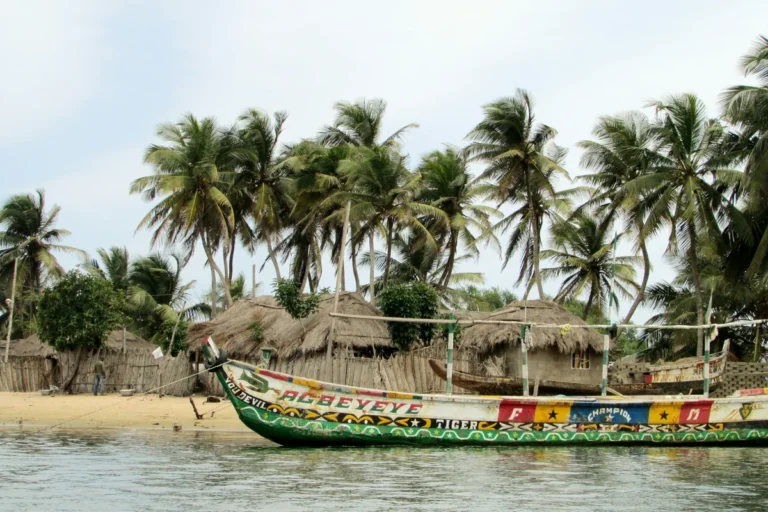
| Beaches & the coast | November–March, or August | Driest, calmest seas; August mini-dry spell |
| Waterfalls & green hills | May–October | The Volta falls run hardest; landscapes lush |
| Lowest prices & few crowds | April–September | Off-peak; April & October are the sweet spots |
| The diaspora homecoming | December | Year of Return energy peaks; the city comes home |
When to go, region by region
Accra & the coast: best November–March for dry, comfortable city days and beach weather; lively (and pricey) in December. Ashanti / Kumasi: similar to the coast but slightly cooler inland — the dry season is ideal for markets and craft villages. The North (Mole, Tamale, Upper regions): visit December–March, the driest months and by far the best for wildlife; avoid the peak of the rains when some roads turn difficult. The Volta & Eastern hills: uniquely good in the rains (May–October), when the waterfalls are at full force and the hills are emerald — just allow extra travel time.
Festivals worth planning a trip around
Timing your visit to a festival is the single fastest way to upgrade it. The big ones: Homowo (Ga, Accra, Aug–Sep), Chale Wote street-art festival (Jamestown, August), Aboakyer deer hunt (Winneba, May), Fetu Afahye (Cape Coast, September), and Hogbetsotso (Anlo-Ewe, November). For the full calendar and what each one involves, see our Ghana festivals guide.
What to pack for each season
Year-round you’ll want light, breathable clothing, strong sun protection and a refillable water bottle — it’s hot and humid whenever you come. For the rainy season, add a packable rain jacket and quick-dry layers. For harmattan, throw in lip balm, moisturiser and eye drops for the dust, plus a light layer for cooler evenings up north. Our full Ghana packing list covers the rest.
The bottom line
If you want the simplest, most reliable trip, come in January or February — dry, sunny, great for wildlife and the coast, without December’s crowds and cost. Come in December if you’re chasing the festival and homecoming energy and don’t mind paying for it. And don’t fear the rainy season (especially April, September and October) if you want green landscapes, roaring waterfalls and a quieter, cheaper Ghana. Whatever you decide, line it up with your itinerary, sort your visa early, and start dreaming with our things to do in Ghana guide.