Ghana’s street food is some of the best eating in the country — smoky kelewele after dark, waakye scooped from a leaf at dawn, grilled tilapia and kebabs sizzling on roadside grills. Skipping it to play safe means missing the soul of Ghanaian food. The good news: with a handful of simple rules, the vast majority of visitors eat street food all trip with no problems at all. This guide shows you how to eat safely, what’s a safe bet, what to approach with caution, and the must-try dishes worth seeking out.
Is street food in Ghana safe?
Yes — if you’re smart about it. Millions of Ghanaians eat street food every day, and the risk to a careful visitor is low. The most common issue is mild travellers’ diarrhoea, usually from unfamiliar bacteria rather than anything dangerous, and almost always avoidable by choosing busy, freshly cooked food and being careful with water. Give your stomach a few days to adjust and you’ll be tucking in like a local.
The golden rules of eating street food safely
- Follow the crowd. A long queue means high turnover, which means fresh food. Busy vendors are your friends.
- Eat it hot and freshly cooked. Heat kills bugs — choose food straight off the grill, pan or pot, not anything sitting out.
- Check cleanliness. A tidy stall with covered food and clean surfaces signals a careful cook.
- Watch the oil. Light-coloured oil is fresh; dark, thick oil has been reused too many times — move on.
- Cooked over raw. Fried, grilled or boiled is safe; skip raw salads and anything uncooked from a stall.
- Mind the water. Only drink bottled or sachet (“pure”) water; be wary of ice you can’t vouch for.
- Carry hand sanitiser. Clean your hands before eating — many dishes are eaten by hand.
- Ease in. Don’t attack the biggest, richest plate on day one; let your stomach acclimatise over two or three days.
Safe bets: what to eat with confidence
Plenty of Ghanaian street food is naturally low-risk because it’s cooked hot to order:
- Kelewele — spicy fried plantain, fried fresh in front of you (see our kelewele guide).
- Grilled tilapia and kebabs (chichinga) — cooked over hot coals to order.
- Bofrot — freshly fried sweet dough balls.
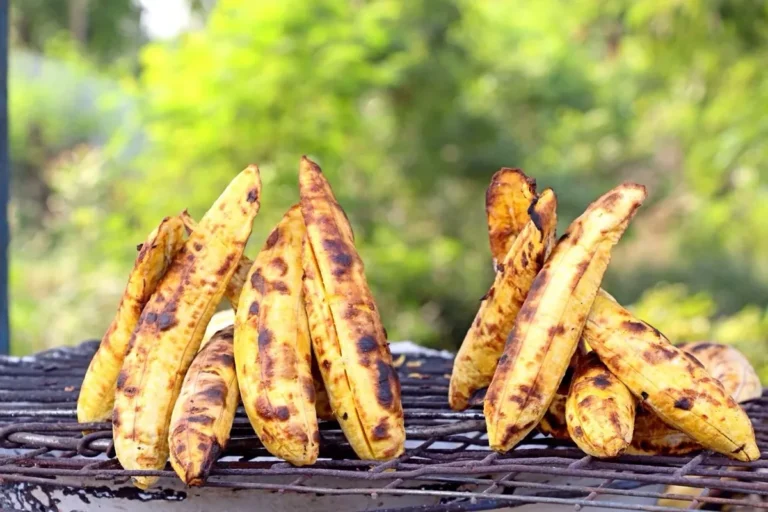
- Roasted plantain with groundnuts (“kofi brokeman”).
- Waakye from a busy morning vendor — freshly served (see our waakye guide).
- Fruit you peel yourself — oranges, bananas, pineapple.
What to approach with caution
- Pre-cut or pre-peeled fruit left sitting out — buy whole and peel it yourself.
- Raw salads and uncooked veg washed in tap water.
- Food kept warm for hours rather than cooked to order.
- Tap water and unverified ice — stick to sealed sachet/bottled water.
- Cold cooked food from a quiet stall with little turnover.
Staying hydrated safely
Water is where most travellers slip up. Ghana’s ubiquitous sachet water (“pure water”) is cheap, sealed and safe — bite the corner and drink — as is bottled water. Avoid tap water for drinking and brushing teeth, and be cautious with ice in informal settings. Staying well-hydrated in the heat also helps your system cope with new foods.
If you do get sick
Most upsets are mild and pass in a day or two. Rest, drink plenty of fluids, and use oral rehydration salts to replace what you lose; an anti-diarrhoeal can help for travel days. See a doctor if symptoms are severe, bloody, or last more than a couple of days, or if you have a high fever — and remember that fever could be malaria, so don’t ignore it. Our health guide has the full picture, and a small first-aid kit is worth packing.
Must-try Ghanaian street foods
Once you’re confident, seek these out — all cooked hot to order and beloved by locals:
| Dish | What it is | Best time |
|---|---|---|
| Kelewele | Spicy fried plantain cubes | Evening |
| Chichinga (kebabs) | Spiced grilled meat skewers | Evening |
| Bofrot | Sweet fried dough balls | Anytime snack |
| Kofi brokeman | Roasted plantain with groundnuts | Afternoon |
| Waakye | Rice & beans with the works | Morning |
| Grilled tilapia & banku | Whole grilled fish with pepper | Evening |
Each is a safe, delicious entry point to Ghanaian street eating — freshly cooked, full of flavour and easy on the wallet.
The bottom line
Don’t fear Ghanaian street food — embrace it, smartly. Eat where it’s busy and freshly cooked, choose hot over cold and cooked over raw, drink only sachet or bottled water, carry hand sanitiser, and ease your stomach in over the first few days. Follow those simple rules and the roadside grills, waakye pots and kelewele stalls become the highlight of your trip rather than a worry. Hungry? Start with our Ghanaian food guide for exactly what to order.