The Bono Region — part of the old Brong-Ahafo heartland in west-central Ghana — is a green, forested land of sacred monkey sanctuaries, a national park on the Black Volta, and the laid-back regional capital of Sunyani. It sees few foreign tourists, which is exactly its appeal: this is rural, welcoming Ghana, where the highlights are nature and tradition rather than crowds. Here’s what to see in the Bono Region, when to go, and how to get there.
The vibe
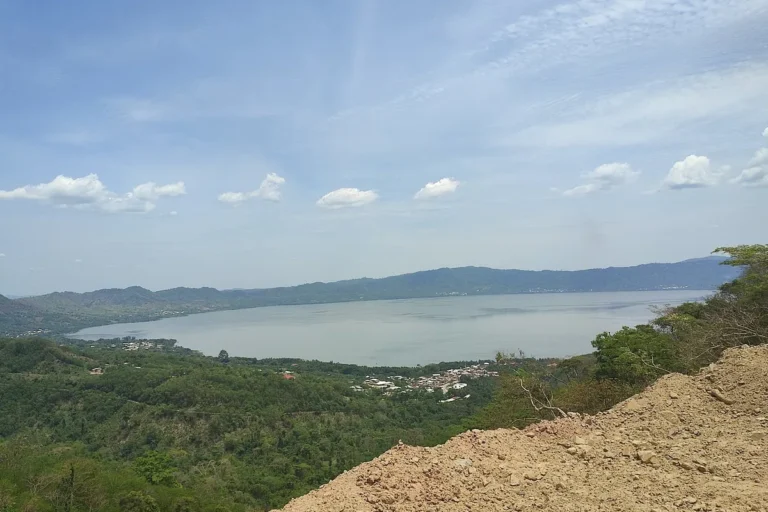
Forested, fertile and unhurried. The Bono Region sits in the transitional belt between Ghana’s southern forests and northern savannah, a land of cocoa and farming, with Sunyani — a clean, relaxed town — as its capital and base. It’s off the main tourist trail, so expect authentic encounters and a warm welcome rather than polished tourism infrastructure.
Top things to do in the Bono Region
| Sight | What it is |
|---|---|
| Boabeng-Fiema Monkey Sanctuary | Sacred mona & black-and-white colobus monkeys |
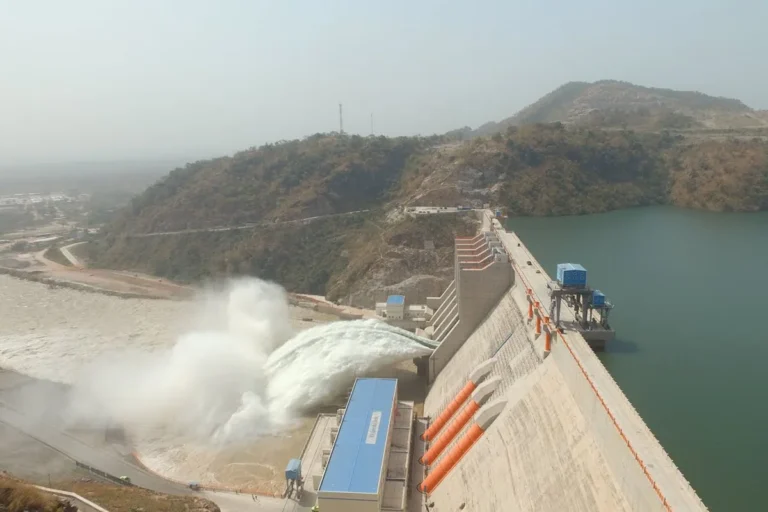
| Bui National Park | Wildlife & the Bui Dam on the Black Volta (hippos) |
| Sunyani | The relaxed regional capital & base |
| Kristo Buase Monastery | A peaceful hilltop Benedictine retreat |
| Tano sacred sites | Groves and shrines tied to the Tano River |
Sacred monkeys and wild rivers
The region’s signature experience is the Boabeng-Fiema Monkey Sanctuary, where mona and the rarer black-and-white colobus monkeys have been protected by local taboo for generations — revered, never harmed, and even given their own “cemetery.” They roam freely around the twin villages, completely habituated to people. Out on the Black Volta, Bui National Park protects savannah wildlife (including hippos) around the Bui Dam, a quieter, wilder counterpoint to Mole.
Peace and tradition
For a different kind of calm, the hilltop Kristo Buase Monastery offers a serene Benedictine retreat with sweeping views, while the region’s Tano River sacred groves and shrines reflect deep traditional beliefs. Sunyani itself makes a pleasant, low-key base for exploring it all.
When to go & getting there
The dry season (November to March) is easiest for travel and wildlife (our best time guide). Sunyani is roughly 3–4 hours from Kumasi by road (or a domestic flight), making the Bono Region a natural extension of an Ashanti trip. A hired vehicle is the easiest way to reach the sanctuaries and park, which lie outside the town.
Where to stay
Sunyani has comfortable mid-range hotels and guesthouses as a base. Near Boabeng-Fiema, simple community guesthouses let you wake to the monkeys, and there are basic lodgings near Bui for those exploring the park. Expectations modest, experiences genuine.
Explore the Bono Region’s attractions
Tap any place for the full details, map and visitor tips.
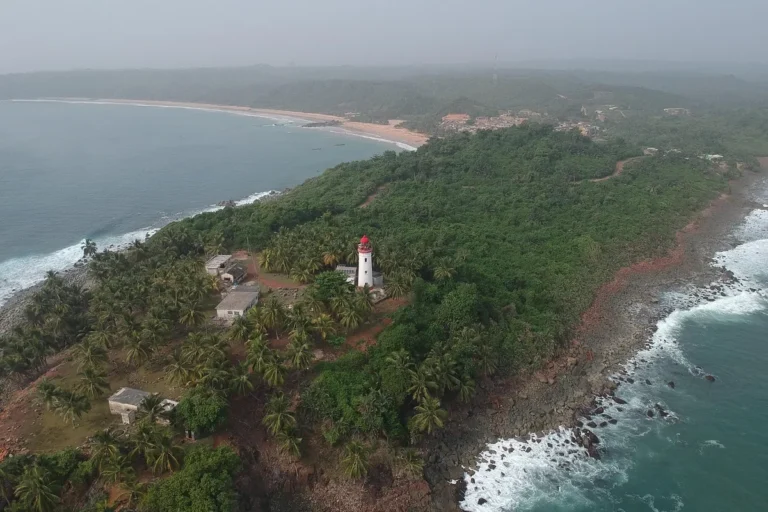
Bui National Park
A wild savannah park on the Black Volta around the Bui Dam, with hippos and antelope — far quieter than Mole.
Fuller Falls
A quieter alternative to nearby Kintampo Falls — a scenic multi-tier cascade that's good for a swim.
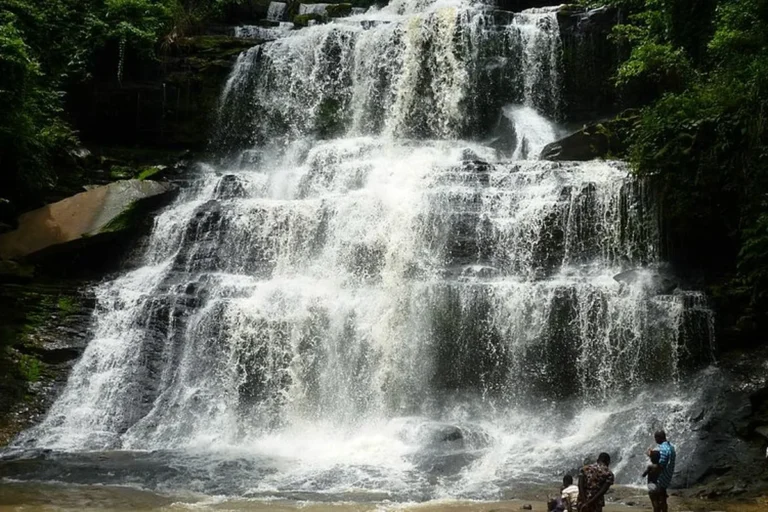
Kintampo Waterfalls
A three-tier waterfall right off the Kumasi–Tamale road — the easiest major falls to reach heading north. Climb the steps to the…
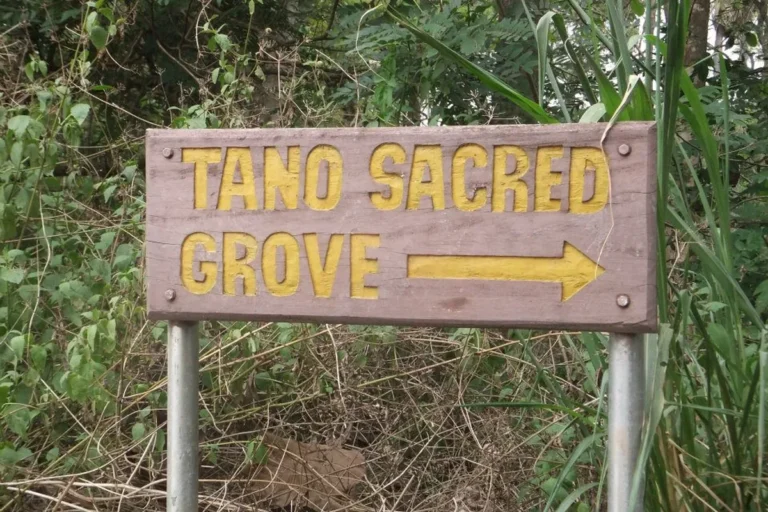
Tano Sacred Grove & Shrine
A sacred grove of the Tano river deity with live pythons kept as sacred — dramatic rocks and deep ritual history.
Also worth seeking out
Two lesser-known gems reward the curious: the Duasidan Monkey Sanctuary near Dormaa Ahenkro, where rare Mona monkeys roam among towering bamboo, and the Nchiraa Waterfalls with the nearby Wurobo ancestral caves north of Wenchi — a rewarding hike through striking landscapes.
The bottom line
The Bono Region is rural Ghana at its most welcoming — meet the sacred monkeys at Boabeng-Fiema, look for hippos around Bui, and slow down in Sunyani and the hills. It’s off the tourist trail and easily tacked onto an Ashanti trip for travellers who want the real, unpolished countryside. Plan it with our itinerary and Kumasi guides.