Ghana drinks well — and far beyond the bottle of Star you’ll be handed at a chop bar. From tart hibiscus sobolo sold in sachets at traffic lights to fiery akpeteshie poured for the ancestors, fermented millet pito drunk from a calabash in the north, and a genuinely good roster of local beers and bitters, the country’s drinks culture is one of its underrated joys. This guide runs through the lot: traditional non-alcoholic drinks, the local beers and soft-drink brands you’ll actually see, the spirits and bitters, palm wine and pito, plus how and where Ghanaians drink.
Traditional non-alcoholic drinks
These home-grown drinks are cheap, refreshing and everywhere — often sold in sealed sachets or bottles by roadside vendors. Seek them out:
| Drink | What it is |
|---|---|
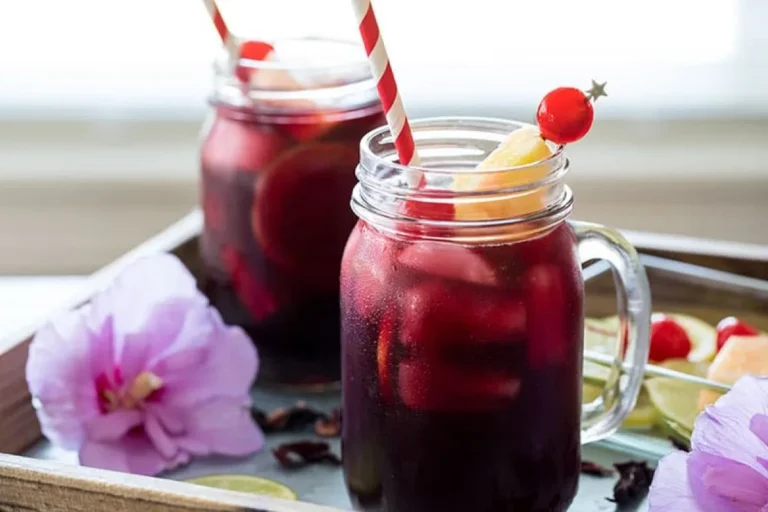
| Sobolo | Tart, deep-red hibiscus (bissap) tea, often spiced with ginger, cloves and pineapple — the national cooler |
| Asana / Aliha | A sweet, fermented (lightly) corn drink with a caramel tang; Aliha is the Ewe version |
| Brukina (Burkina) | Fermented millet (degue) blended with milk — a filling, yoghurt-like drink |
| Lamugin | A spicy ginger drink with a serious kick — ginger, lime and chilli |
| Sugarcane juice & coconut water | Pressed fresh at the roadside; the coconut (“king coconut”) is cut for you to drink straight |
| Tigernut milk (atadwe milk) | A creamy, sweet drink blended from tiger nuts and dates |
A note on safety: stick to sealed, packaged versions of these where you can, as they’re made with treated water — the same caution as our street food guide.
Local soft drinks and brands
Ghana’s shelves carry plenty of homegrown soft drinks alongside the global names. Look out for Alvaro (a popular malt-and-fruit drink), Malta Guinness (a rich, non-alcoholic malt), Kalyppo (the carton fruit juice everyone grew up on), and local colas and bottled mineral drinks. For water, the trusted bottled brands are Voltic, Bel-Aqua, Verna and Special Ice, while the ubiquitous 500ml “pure water” sachets are cheap, sealed and safe. Don Simon juices and local energy drinks like Storm and Rush round out the fridge.
Beer and the local brewers
Ghana takes its beer seriously, and the rivalry between the two big breweries — Accra Brewery (ABL) and Guinness Ghana Breweries (GGBL) — gives you a great local line-up. The staples are Club and Star, the two everyday lagers locals argue over much like jollof. Beyond them:
| Brand | Style |
|---|---|
| Club Premium / Star | The classic everyday lagers |
| Gulder | A fuller-bodied lager |
| Guinness Foreign Extra Stout | Brewed locally and hugely popular — dark, strong, beloved |
| Castle Milk Stout | A smooth, sweetish dark stout |
| Stone Lager / Stone Strong | A stronger local lager |
| Club Shandy & Beta Malt | A light shandy and a non-alcoholic malt |
Local beers are cheap (roughly GH₵20–45), served very cold, and perfect in the heat. Pick a side in the Club-vs-Star debate and you’ll have made friends.
Spirits, bitters and akpeteshie
The local spirit world is its own adventure. Akpeteshie — distilled from palm wine or sugarcane — is the potent “local gin” (nicknamed “kill me quick” and “VC10”), drunk neat and used in countless herbal infusions. From it flows a whole category of bitters and herbal spirits, dominated by Kasapreko and GGBL: Alomo Bitters (the famous one), Castle Bridge, Joy Daddy, Kasapreko Gin, and Diageo’s herbal-infused Orijin. These are everywhere — ordered by the shot or the sachet — and a real taste of how Ghanaians actually drink. Imported schnapps and gin also play a ceremonial role (see libation, below). Treat akpeteshie and bitters with respect; they’re strong.
Palm wine and pito
Two traditional brews deserve special mention. Palm wine (nsafufuo) is the naturally fermented sap of the palm tree — milky, sweet and lightly alcoholic when fresh, sharper and stronger as the day goes on. It’s a southern, rural classic, best drunk straight from the source. Pito is the northern counterpart: a fermented millet or sorghum beer, served warm-ish in a calabash at roadside “pito bars,” tangy and mildly alcoholic. Trying either — ideally where it’s made — is a lovely, authentic detour from the bottled stuff.
Drinking culture and libation
Drinks in Ghana carry meaning. At traditional ceremonies — festivals, funerals, weddings, the welcoming of guests — elders pour libation, offering schnapps, gin or akpeteshie to the ancestors and deities while praying for blessings. It’s a serious, beautiful ritual you may witness, and a reminder that alcohol here is woven into community and respect, not just leisure. Socially, drinking is relaxed and convivial — shared rounds, cold beers at a “spot” (a local bar), and long evenings.
Where and how to drink
- “Spots” — the neighbourhood local bars where Ghanaians gather over cold beer and bitters; the most authentic drinking experience.
- Roadside vendors — for sobolo, brukina, lamugin and sachet water on the go.
- Pito bars — in the north, for calabash millet beer.
- Bars, rooftops and clubs — for cocktails (often built on local spirits) and the full Accra nightlife scene.
- Restaurants and chop bars — cold beer and soft drinks alongside the food.
The bottom line
Don’t just drink Star and call it a day. Sip tart sobolo and spicy lamugin from a roadside vendor, try creamy brukina, taste fresh palm wine in the south or warm pito from a calabash in the north, pick a side in the Club-vs-Star beer debate, and brave a shot of akpeteshie or Alomo Bitters like a local — respectfully, it’s strong. Stick to sealed water and packaged drinks to stay well, and if you witness a libation, watch closely: you’re seeing Ghanaian culture in a glass. Pair this with our food guide to eat and drink your way across the country.