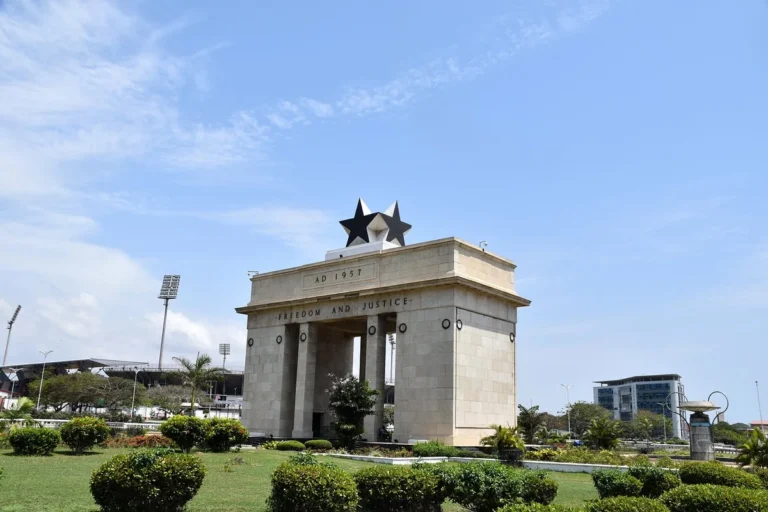
For almost every visitor, Ghana begins here. The Greater Accra Region is the country’s smallest by area but its busiest and most cosmopolitan — home to the capital, the international airport, the best nightlife in West Africa, and a string of Atlantic beaches within easy reach of the city. It’s the natural first stop and base for any trip, blending independence-era history, frenetic markets, a booming art scene and salt-air weekends by the sea. Here’s what to see and do across the region, when to go, and how to get around.
The vibe
Greater Accra is urban, fast and creative — the political and economic heart of Ghana. The capital, Accra, sprawls along the coast with the historic core around Jamestown and the markets, the nightlife and restaurants of Osu and Labone, and the leafier, upscale Airport and East Legon districts inland. Beyond the city, the region runs east to the Volta estuary at Ada and inland to the Shai Hills. It’s the place to land, get your bearings, eat brilliantly and ease into Ghana before heading out.
Top things to do in Greater Accra
| Sight | What it is |
|---|---|
| Black Star Square | Independence Arch & Black Star Gate — the nation’s defining monument |
| Kwame Nkrumah Memorial | Mausoleum & museum of the founding president |
| Jamestown | Historic fishing quarter, lighthouse, boxing gyms, Chale Wote festival |
| Makola Market | The city’s vast, chaotic central market |
| National Museum | Ghana’s history, culture and kente |
| Labadi / Bojo / Kokrobite | The region’s go-to beaches |
| Shai Hills & Ada | Baboons and savannah; river-meets-sea weekends east of the city |
Dig into the capital itself in our things to do in Accra guide, the beaches in our Ghana beaches guide, and the after-dark scene in Accra nightlife.
Culture, art and food
Accra has quietly become one of Africa’s contemporary-art capitals — Gallery 1957, the Nubuke Foundation and the Artists Alliance are all worth time (see our galleries guide). The food runs from waakye stalls and chop bars to a serious modern restaurant scene (our best restaurants guide). And the nightlife is the region’s secret weapon, peaking each December for Detty December.
Beaches and the coast
You’re on the Atlantic, so use it. Labadi is the lively party beach, Bojo the clean lagoon-fronted day trip, and Kokrobite the boho drumming-and-reggae classic just west of the city. East of Accra, Ada Foah offers sandbar boat trips where the Volta meets the sea. All are within a short drive of the centre.
Day trips from Accra
- Aburi Botanical Gardens — cool hills under an hour north (Eastern Region).
- Akosombo & Lake Volta — a Dodi Island cruise, ~2 hours.
- Cape Coast & Elmina — the UNESCO castles and Kakum, 2.5–3 hours west.
- Shai Hills Resource Reserve — baboons, antelope and caves, ~1 hour.
When to go
Greater Accra is good year-round, but the dry season (November to March) is most comfortable and lines up with the December festival peak. The rains (May–June especially) bring short, sharp downpours. See our best time to visit guide.
Getting there and around
Kotoka International Airport sits right in the city — this is where almost everyone arrives. Get around with Bolt or Uber (cheap and easy), allow for heavy traffic, and cluster your plans by area. For where to base yourself, see our best areas to stay in Accra guide.
Explore Greater Accra’s attractions
Tap any place for the full details, map and visitor tips.
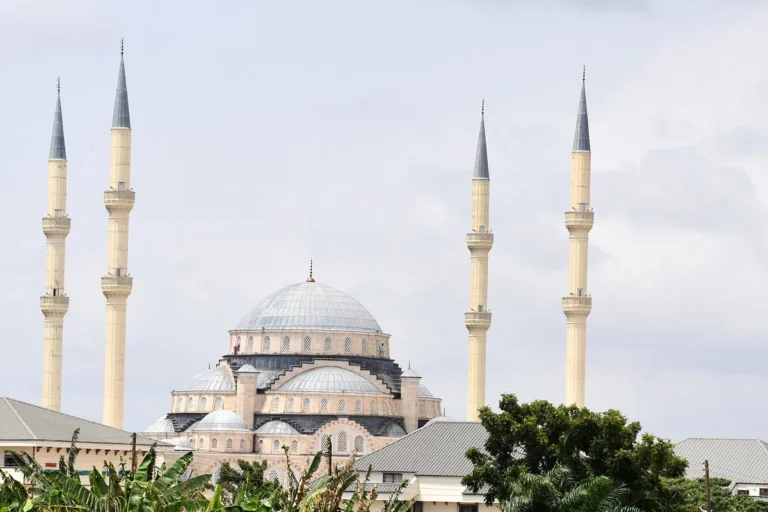
Abossey Okai Central Mosque
A central mosque in the bustling Abossey Okai district — lively Friday prayers in one of Accra's busiest areas.
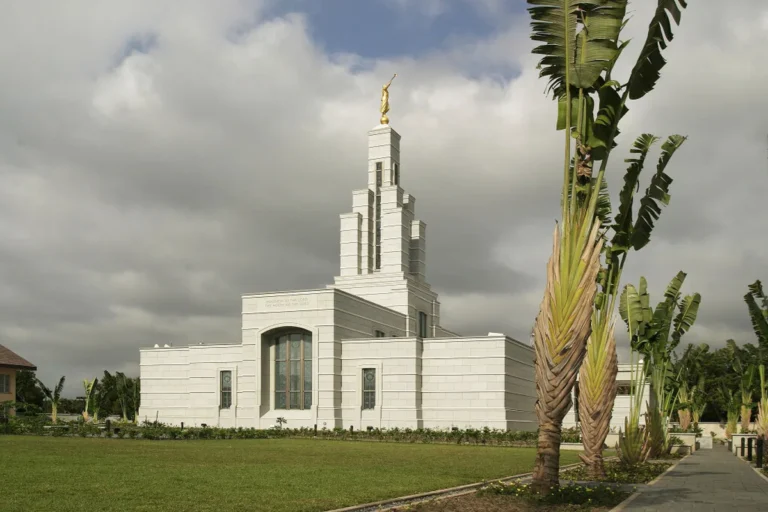
Accra Ghana Temple (Latter-day Saints)
The Latter-day Saints temple on Independence Avenue, North Ridge (dedicated 2004) — a striking white landmark; grounds and visitors' centre welcome guests.
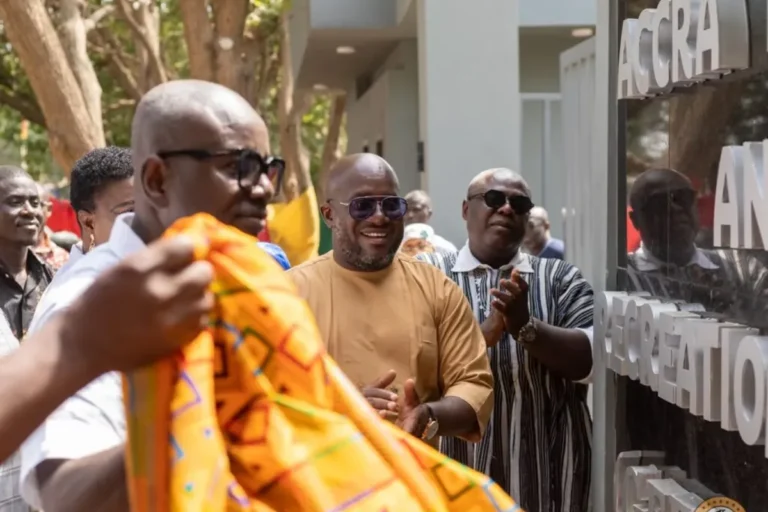
Accra Leisure & Recreational Park (Geese Park)
Known locally as Geese Park for its resident geese population. Popular green space for Accra families, couples and the after-work crowd. Jogging…
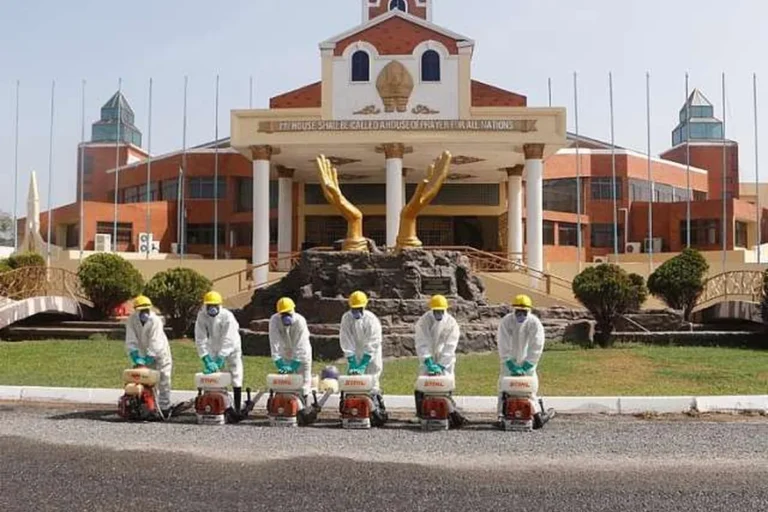
Action Chapel International
Archbishop Duncan-Williams' Prayer Cathedral on Spintex Road — a flagship of Ghanaian charismatic Christianity. Sunday service is an experience.
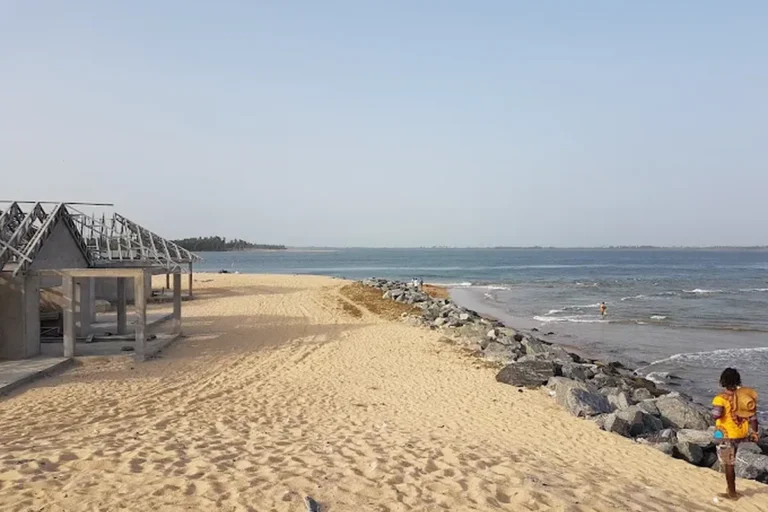
Ada Foah / Estuary
Where the Volta River meets the sea. Boat trips, beach, Aqua Safari Resort nearby.
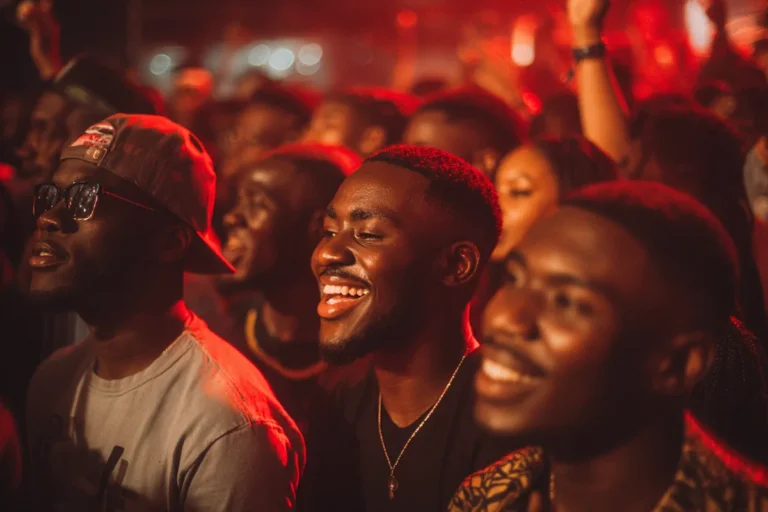
AfroFuture (Detty December)
Accra's flagship December music festival (formerly Afrochella) - Afrobeats headliners, art and food. The heart of Detty December.
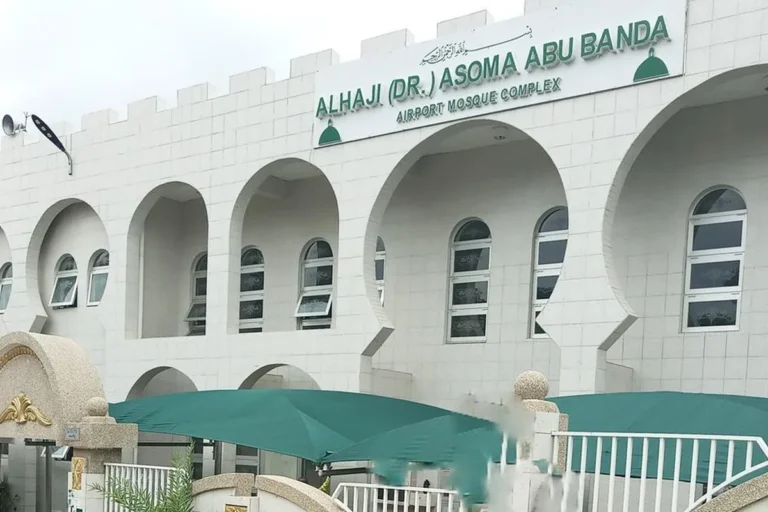
Airport Residential Mosque
A neighbourhood mosque in Airport Residential near Nyaho Medical Centre — convenient for visitors staying in the area.
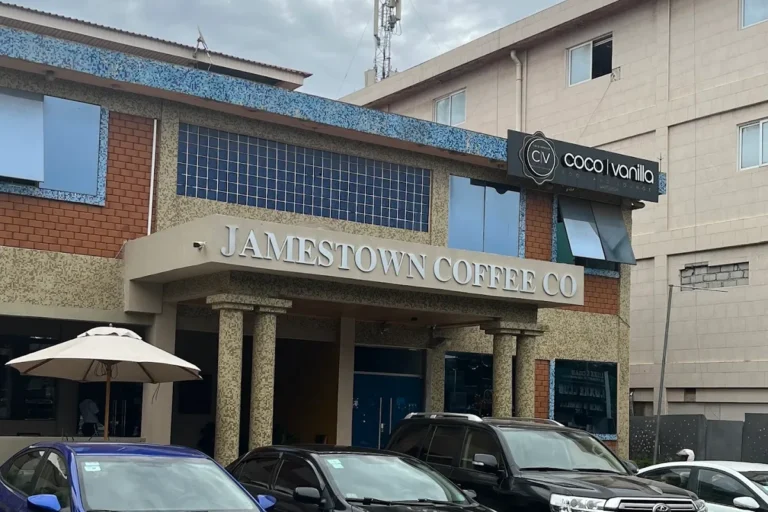
Attoh Quarshie Boxing Gym
Where Azumah Nelson trained. Go 6–9am for training sessions. Tip the trainers well.
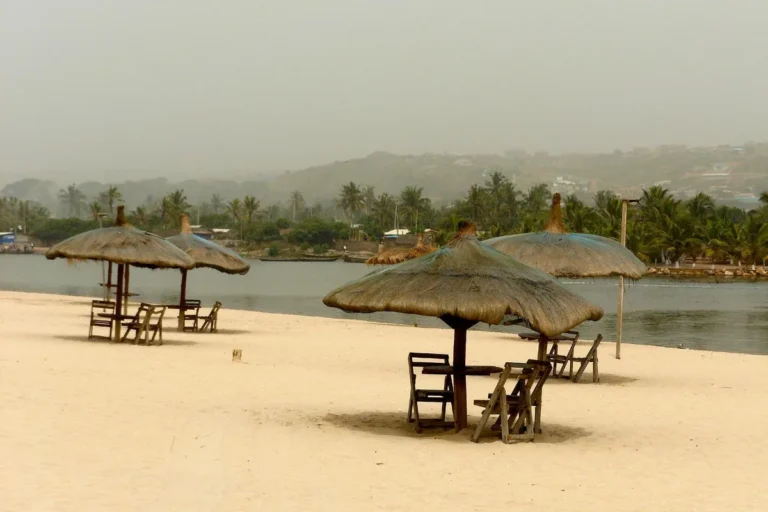
Bojo Beach
A cleaner, calmer beach reached by a short canoe across a lagoon — a popular, well-kept weekend escape west of Accra.
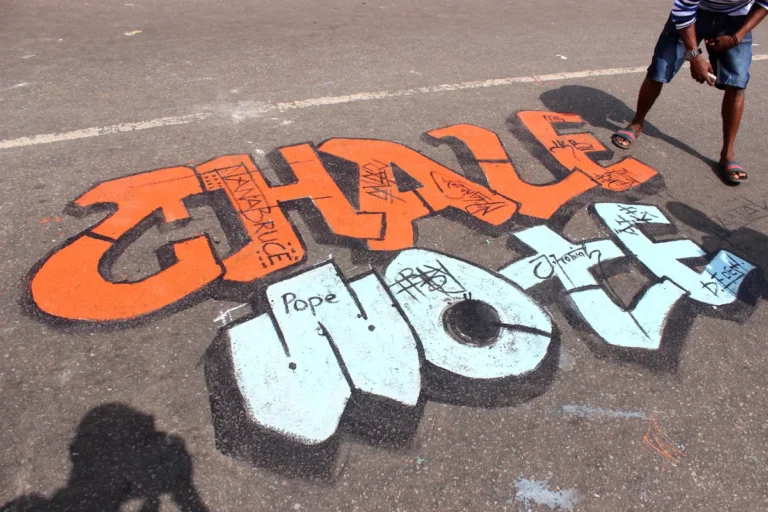
Chale Wote Street Art Festival
Jamestown's wild street-art festival (Aug) - murals, performance, fashion and huge crowds. Accra's most creative weekend.
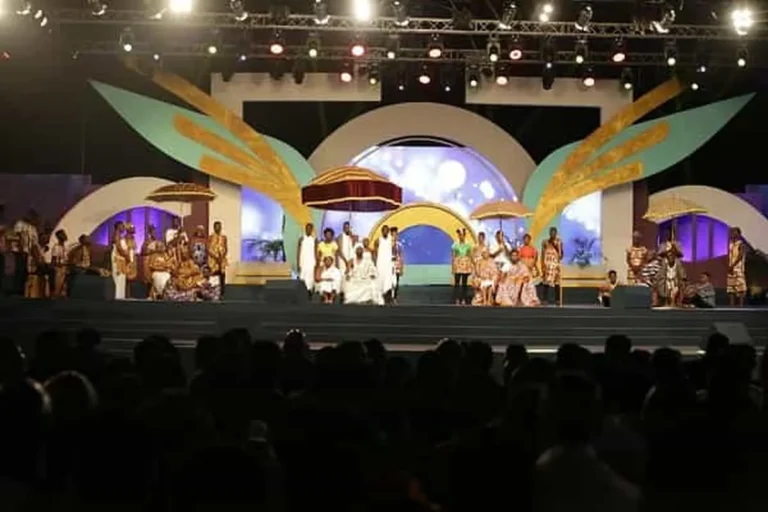
Christ Embassy Ghana
A large charismatic church with several Accra campuses — high-energy worship and a big diaspora following.
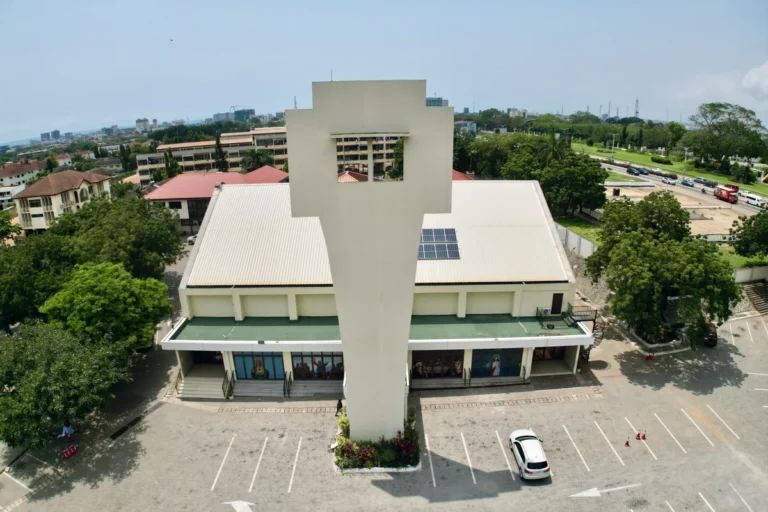
Christ the King Catholic Church
A landmark Catholic parish in Cantonments near Independence Avenue — calm, central and well-kept.
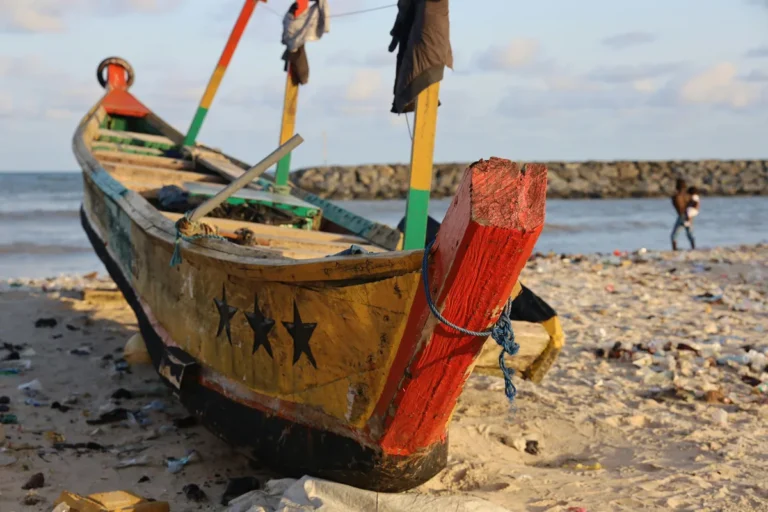
Coco Beach
A laid-back local beach in Nungua on Accra's east side — an easy, no-fuss sea fix close to the city, busiest at…
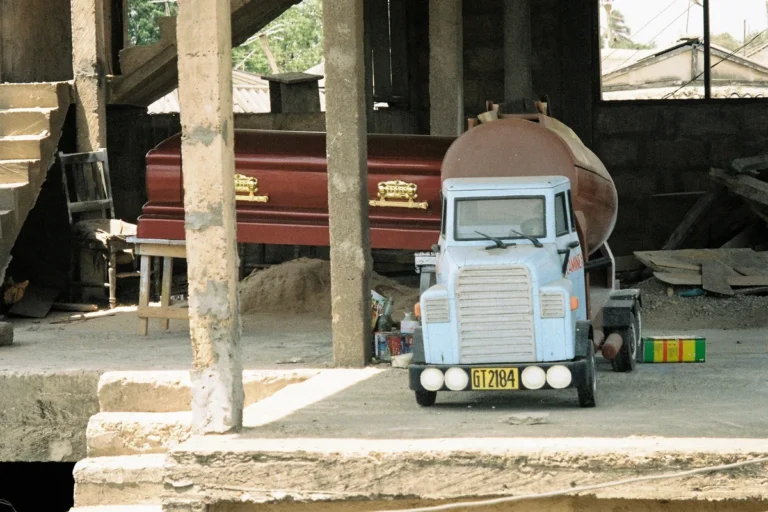
Designer Coffins Workshop, Teshie
Call Paa Joe workshop ahead. Most photogenic surprise in Accra. Highly viral content.
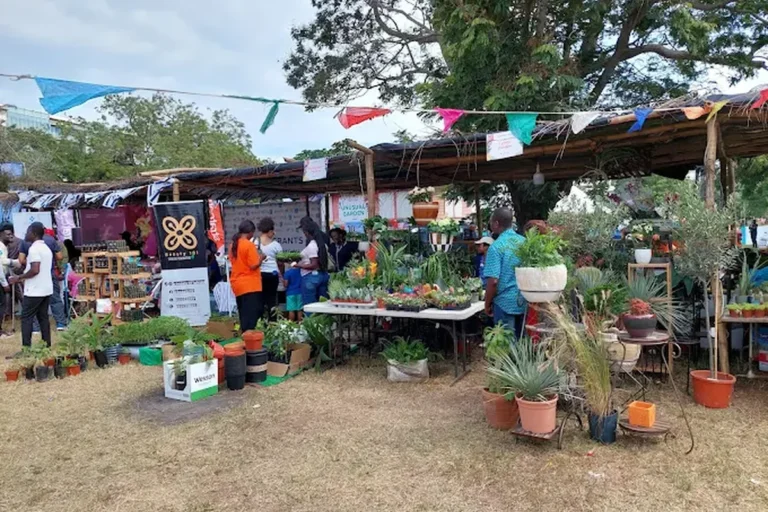
Efua Sutherland Children’s Park
Named after Ghana's most celebrated playwright and children's literature pioneer. More than a park — it's a cultural monument to the woman…
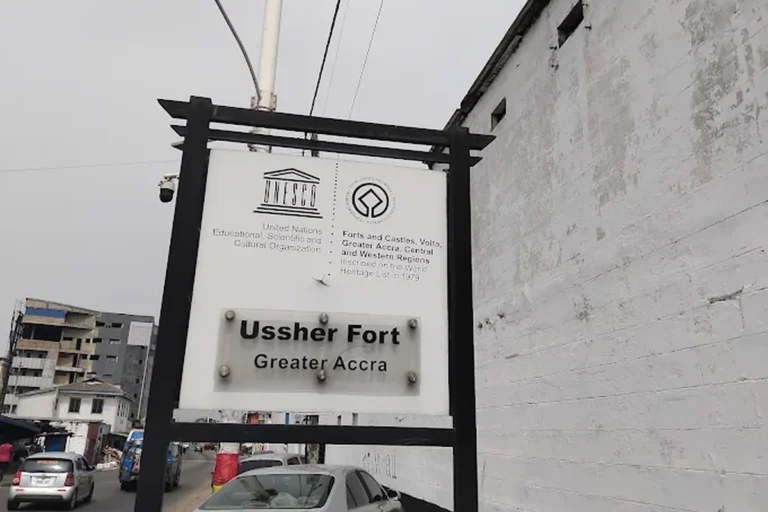
Fort James (Fort Ussher)
Built 1673 English, James Island. Oldest fort in Accra. Jamestown circuit: lighthouse + boxing gym + Jamestown Coffee + Fort James =…
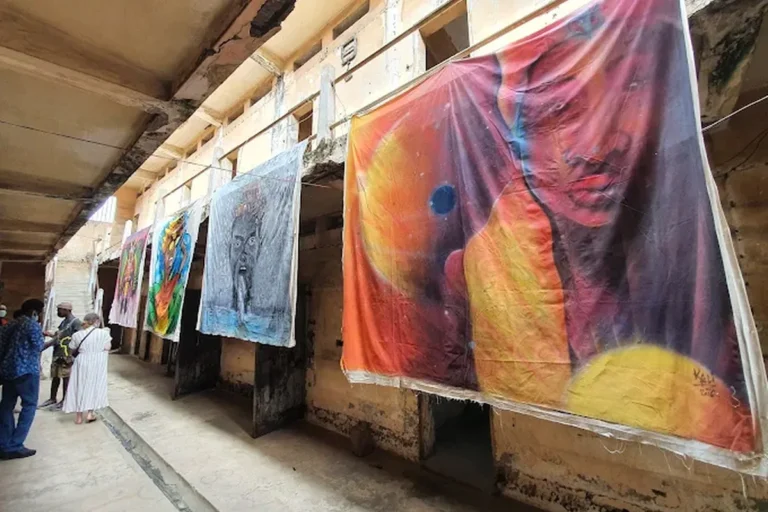
Fort Ussher (Fort Crevecoeur)
Dutch fort built 1649, adjacent to Fort James. Two forts faced each other across the harbour. Unrestored but atmospheric.
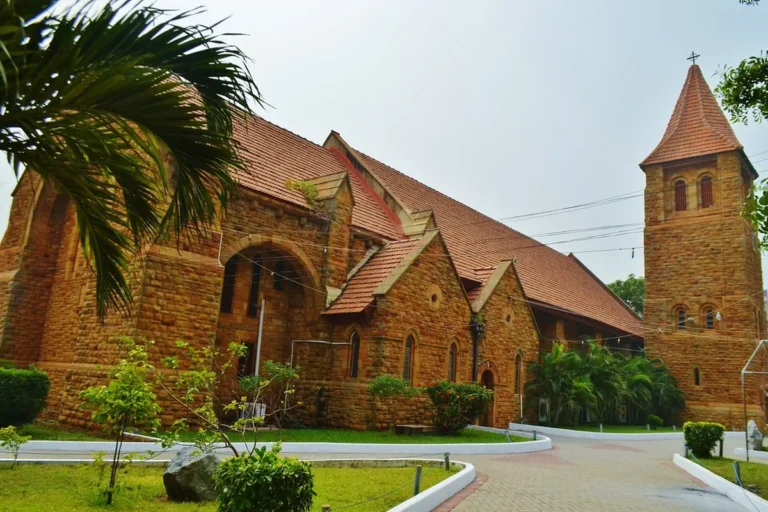
Holy Trinity Cathedral
Accra's Anglican cathedral — a Romanesque colonial landmark on High Street near the Supreme Court.
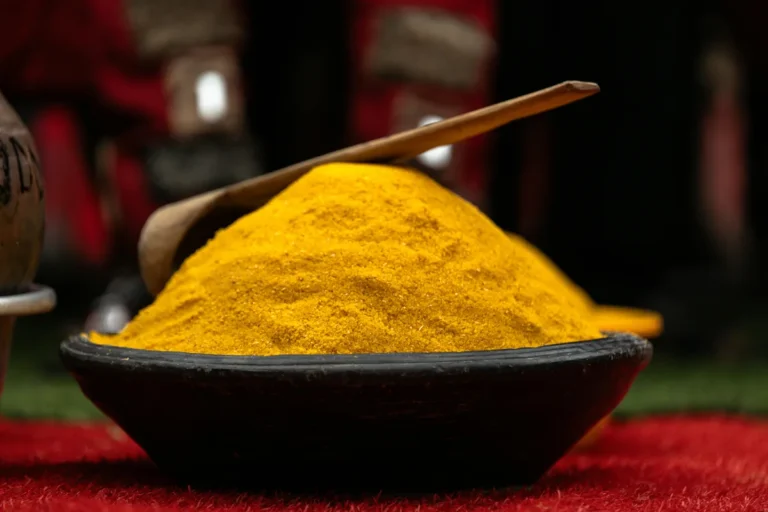
Homowo Festival
The Ga harvest festival (Aug-Sept) - sprinkling of kpokpoi, drumming and processions across Accra, Teshie and Nungua.
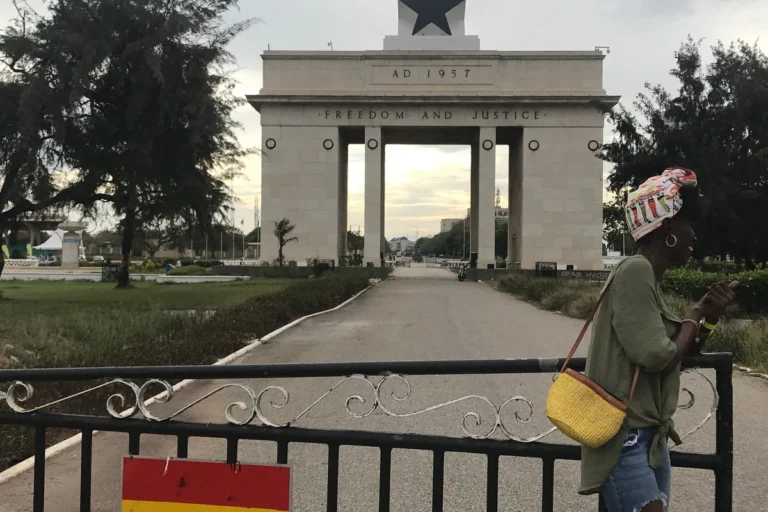
Independence Square
Best at sunrise or sunset. The Black Star Gate is the shot everyone needs.
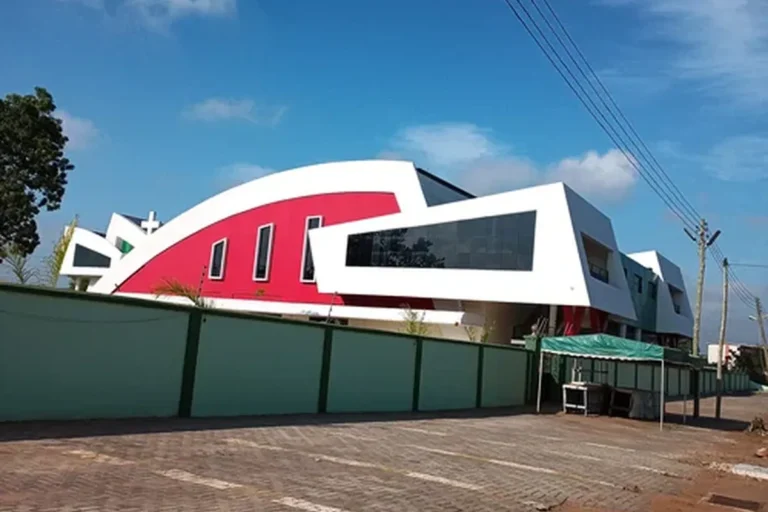
International Central Gospel Church (ICGC)
One of Ghana's largest evangelical churches; the Christ Temple draws thousands on Sundays.
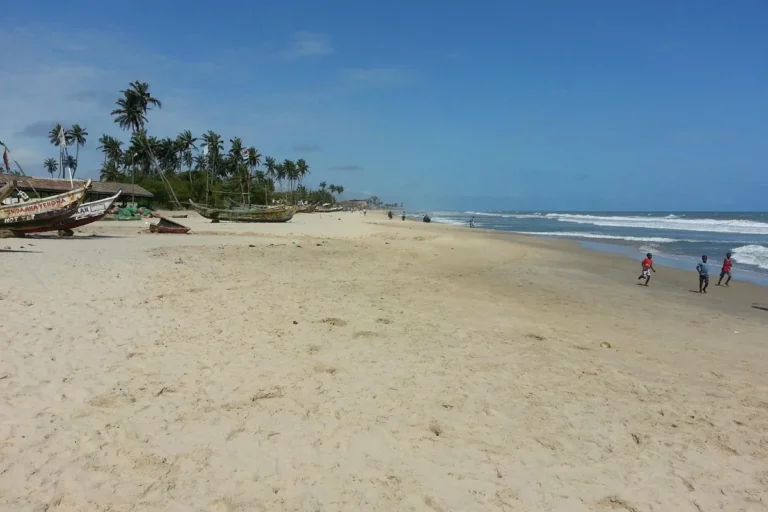
Kokrobite Beach
Bohemian beach 45 minutes west of Accra — reggae and drumming at Big Milly's, painted fishing boats, backpacker energy.
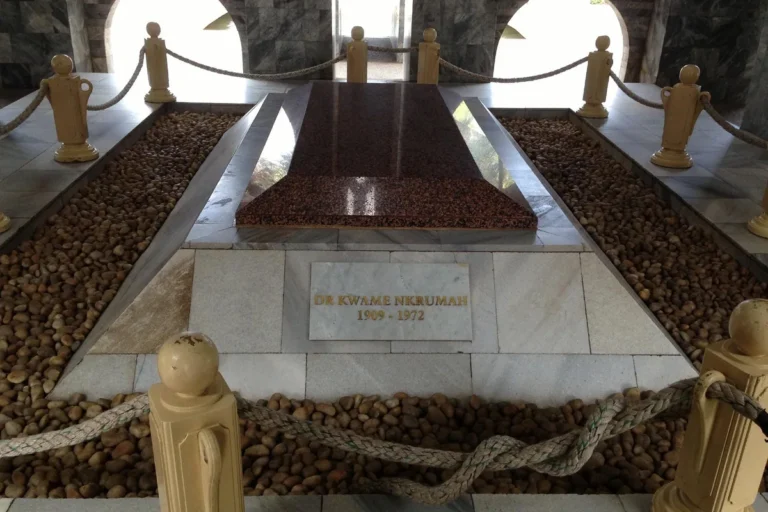
Kwame Nkrumah Memorial Park & Mausoleum
The mausoleum and memorial of Ghana's founding father — the man who led independence in 1957 and coined the phrase 'Seek ye…
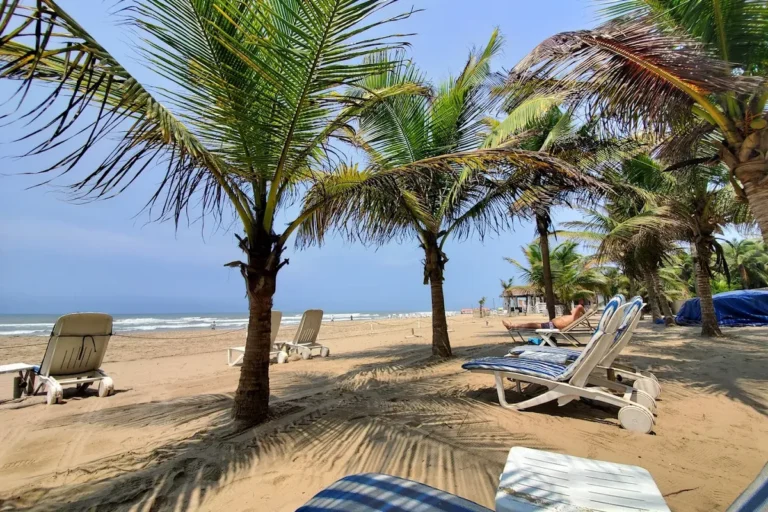
Labadi Beach
Accra's liveliest beach — horseback rides, weekend live highlife and vendors. Busy and brilliant; mind your valuables.
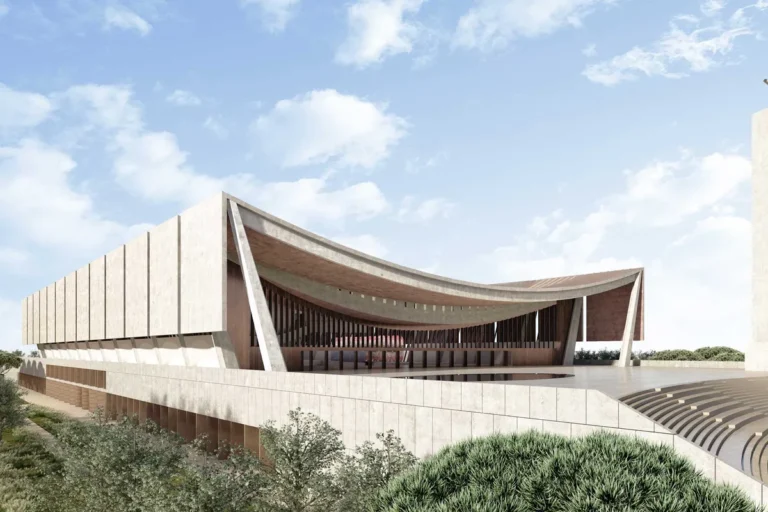
National Cathedral of Ghana
Ghana's ambitious National Cathedral near Parliament in Ridge — still under construction, but a landmark in the making.
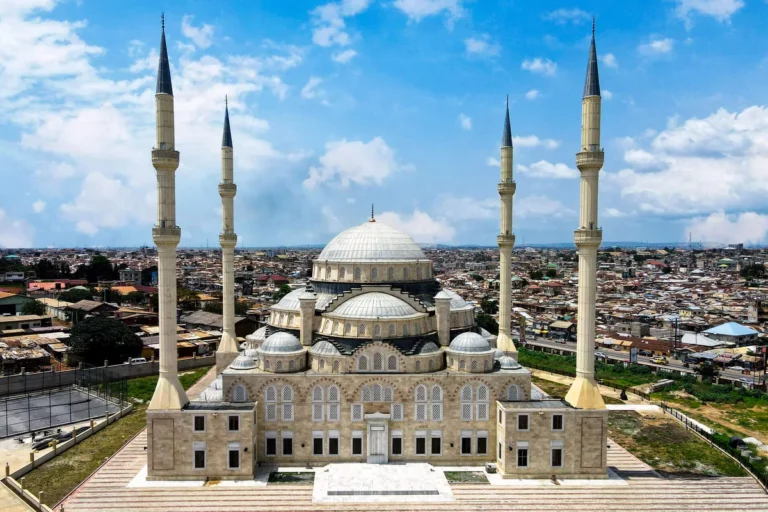
National Mosque of Ghana
Accra's grand Friday mosque (Turkish-built) in Kanda. Most striking around Eid. Dress modestly and ask before photographing.
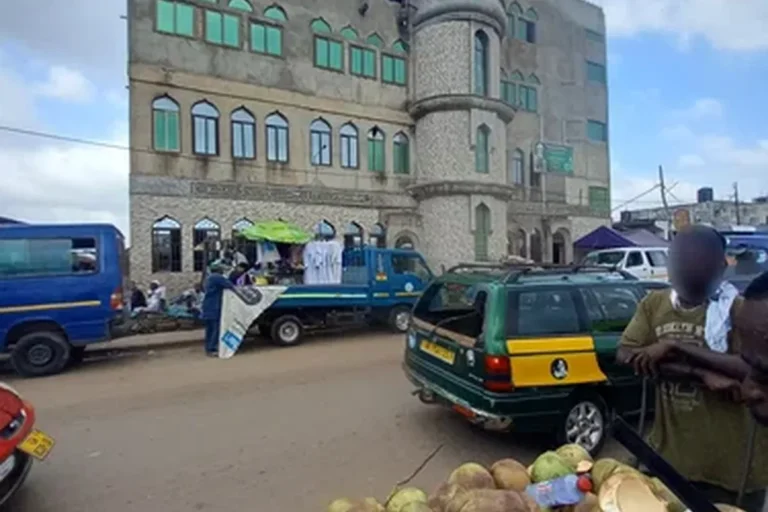
Nima Central Mosque
The main mosque of Nima, Accra's vibrant Muslim quarter — best around Friday prayers and Eid. Dress modestly and ask before photographing.
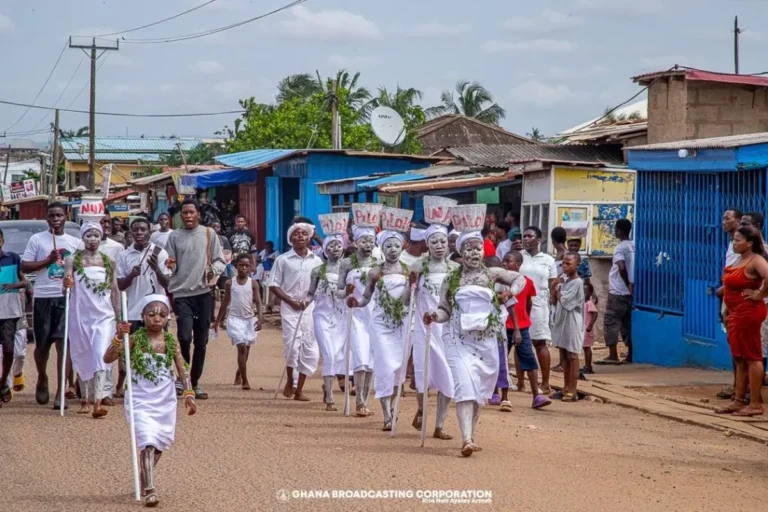
Nungua Stool House & Shrine
Where the sacred stools of Nungua's chiefs are kept and venerated — a glimpse of Ga traditional authority.
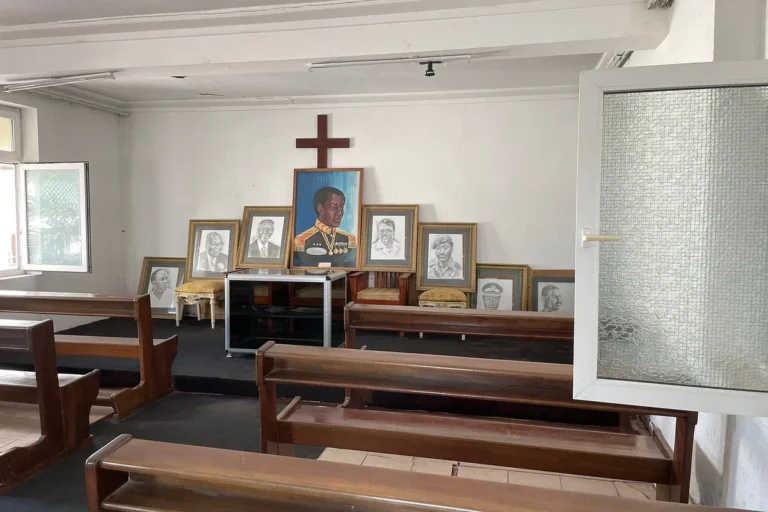
Osu Castle (Christiansborg)
A 17th-century Danish slave-trade castle in Accra that later served as Ghana's seat of government.
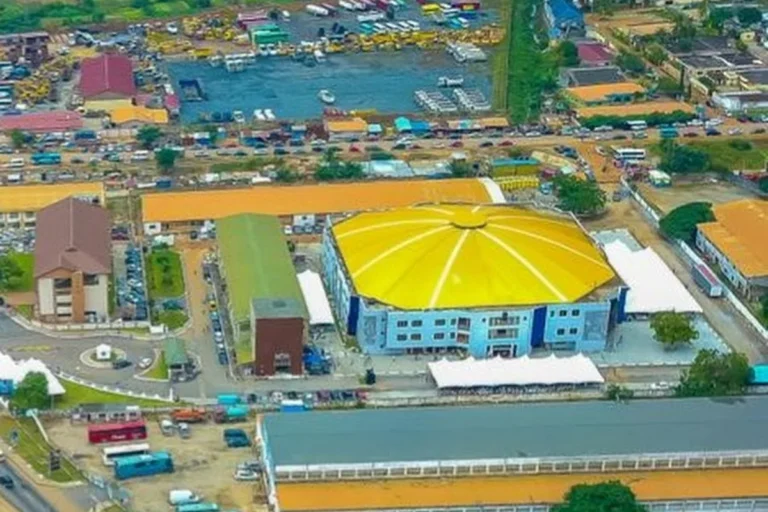
Perez Dome
Ghana's largest church auditorium (14,000 seats) in Dzorwulu — a window into the scale of Ghanaian Pentecostalism.
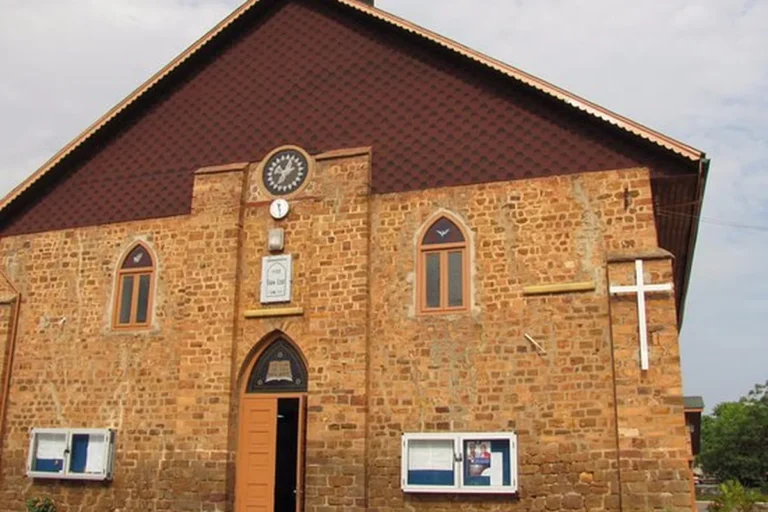
Resurrection Presbyterian Church
A historic downtown church at the Presbyterian Church of Ghana HQ — notable architecture and big Sunday services.
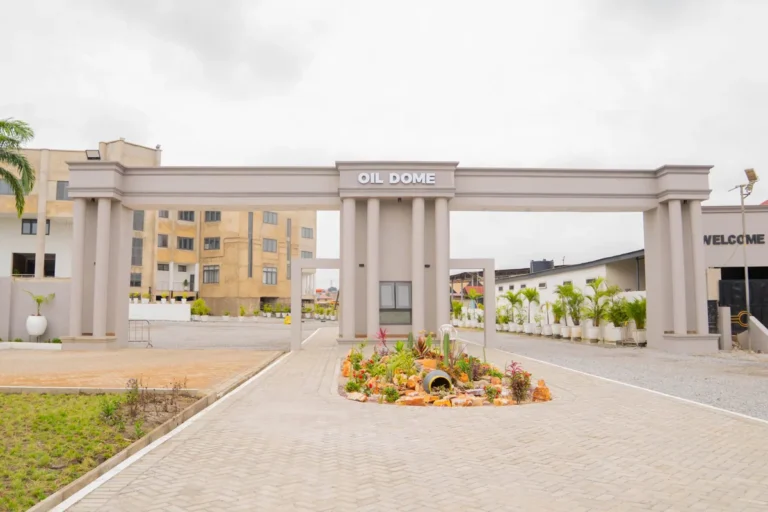
Royalhouse Chapel International
Rev. Sam Korankye Ankrah's charismatic ministry — a major Accra congregation with lively Sunday services.
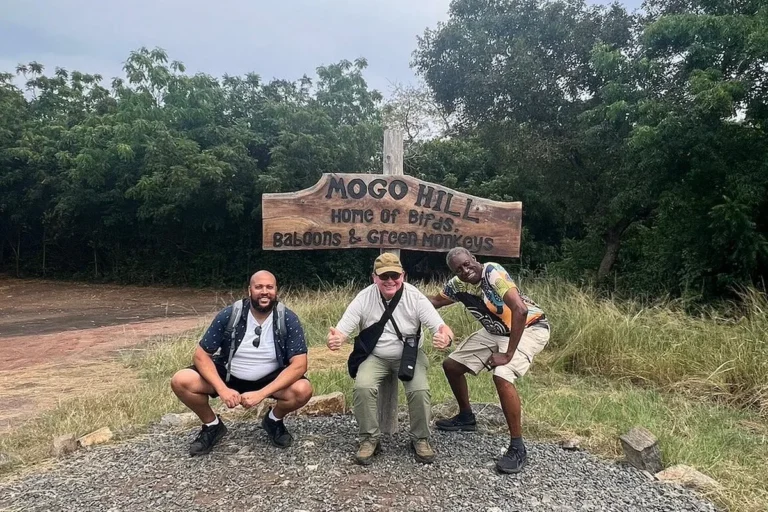
Shai Hills Resource Reserve & Mogo Hill
Ghana's most accessible wildlife + adventure day trip from Accra — 45 minutes east. Two distinct experiences in one reserve: (1) WILDLIFE…
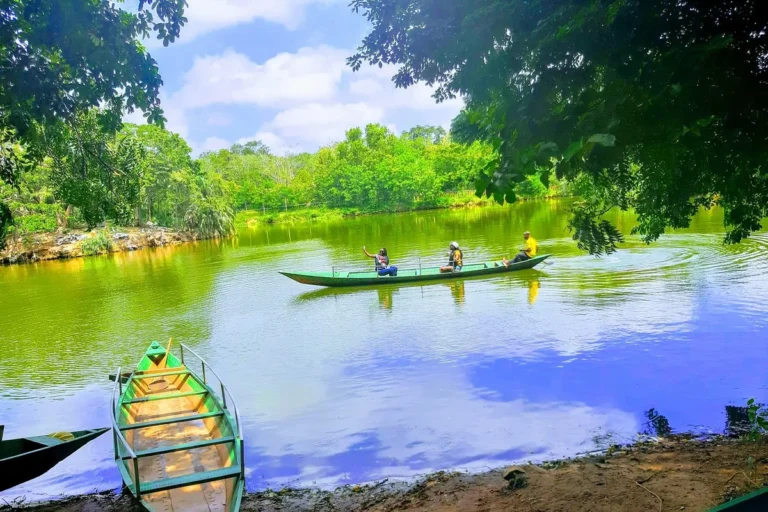
Tsenku Falls
A multi-drop waterfall in the Shai hills near Dodowa, reached on a forest hike from Accra — a refreshing day-trip plunge.
Where to stay
Base yourself by what you want from the days. Osu is central and walkable with the best concentration of restaurants and nightlife; Labone and Cantonments are quieter and upscale nearby; Airport City and East Legon suit business or a comfortable, modern stay; and the Labadi seafront has beach-resort options. For a full breakdown see our best areas to stay in Accra guide.
What to eat
Greater Accra is the country’s best place to eat. Hunt down waakye in the morning, grab jollof and grilled tilapia at a chop bar, then graduate to the modern restaurants and rooftops of Osu and Airport. Start with our best restaurants and Ghanaian food guides.
The bottom line
Greater Accra is the front door to the country — spend your first days here for the independence history, the markets and Jamestown, the art and the food, and a beach afternoon or a big night out, then use it as the launchpad for the coast, Kumasi or the north. Two to three days does it justice. Plan the wider trip with our itinerary and things to do in Ghana guides.
FAQ
What is the Greater Accra Region known for?
How many days do you need in Accra?
What are the best beaches near Accra?
How do you get around Greater Accra?
What day trips can you do from Accra?
Places to visit in Greater Accra
- Osu Castle (Christiansborg)
- Tsenku Falls
- Coco Beach
- AfroFuture (Detty December)
- Chale Wote Street Art Festival
- Homowo Festival
- Airport Residential Mosque
- Abossey Okai Central Mosque
- Nima Central Mosque
- Christ the King Catholic Church
- National Cathedral of Ghana
- Accra Ghana Temple (Latter-day Saints)
- Royalhouse Chapel International
- Christ Embassy Ghana
- Action Chapel International